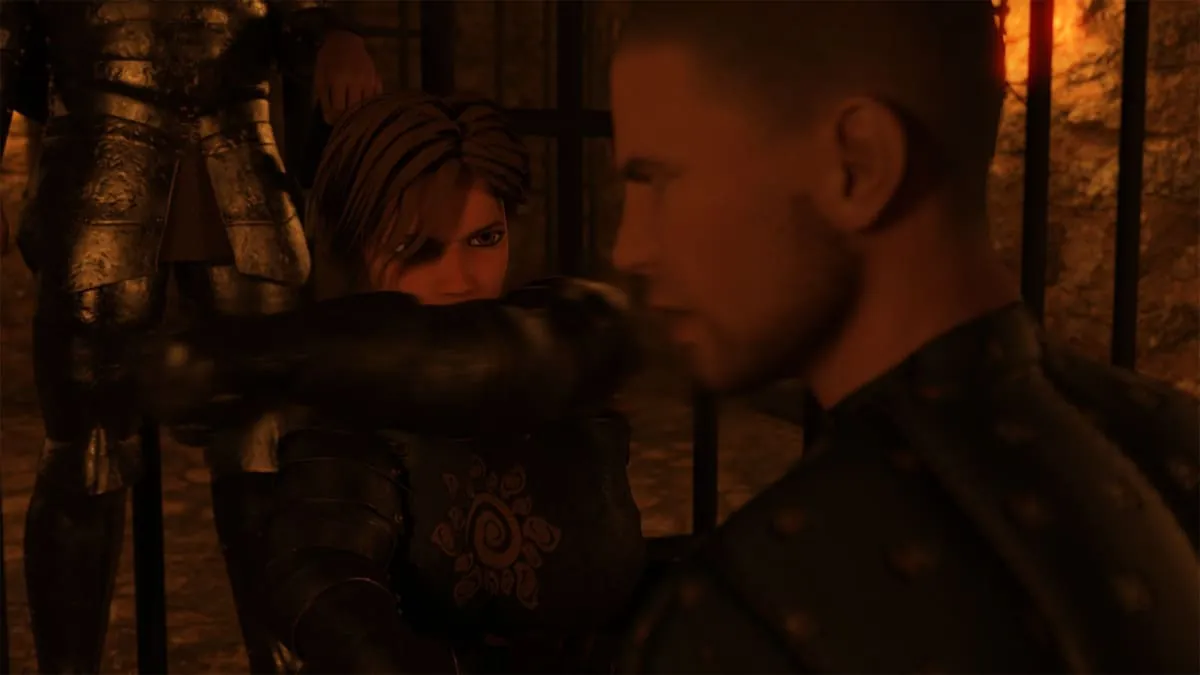
Play After the Inferno
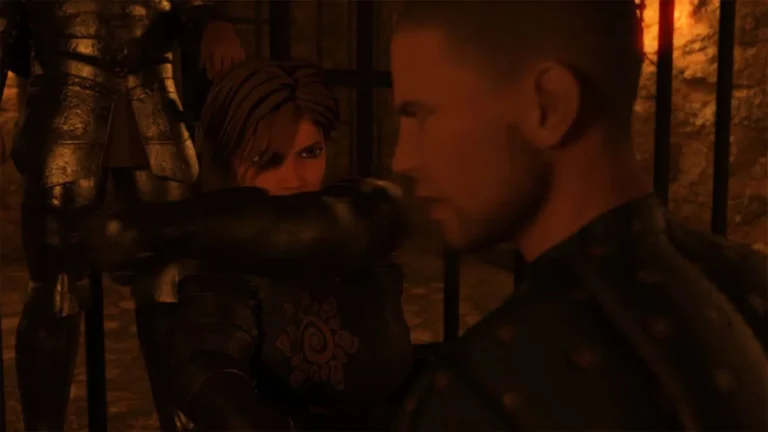
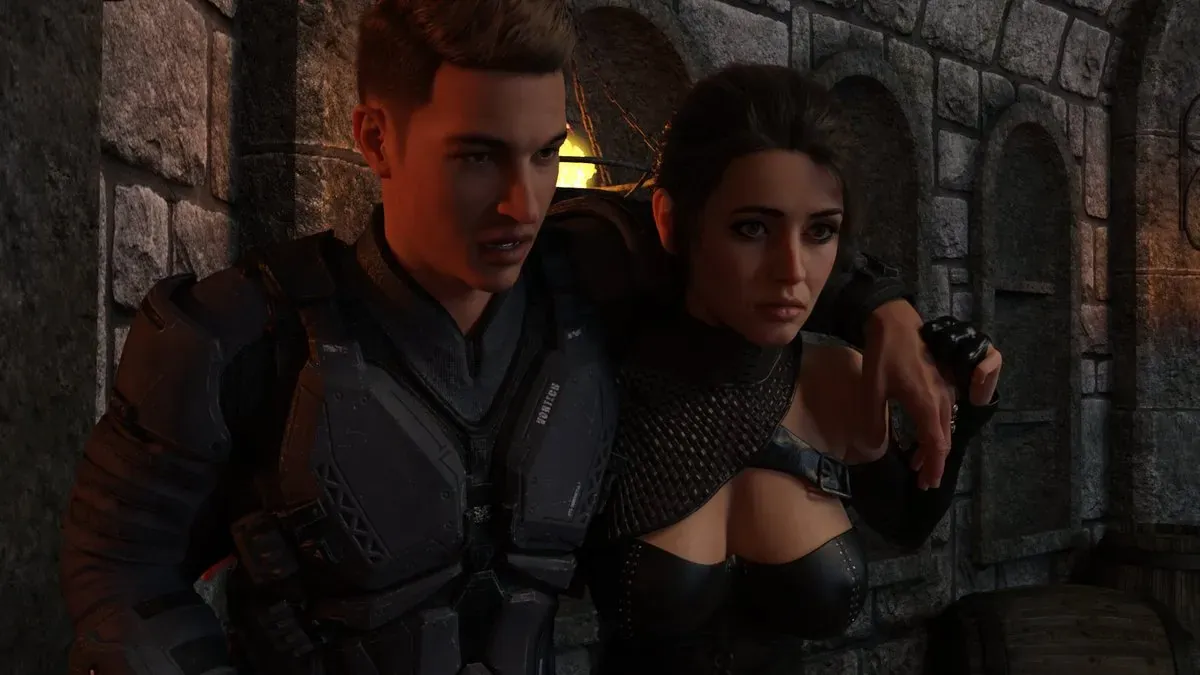
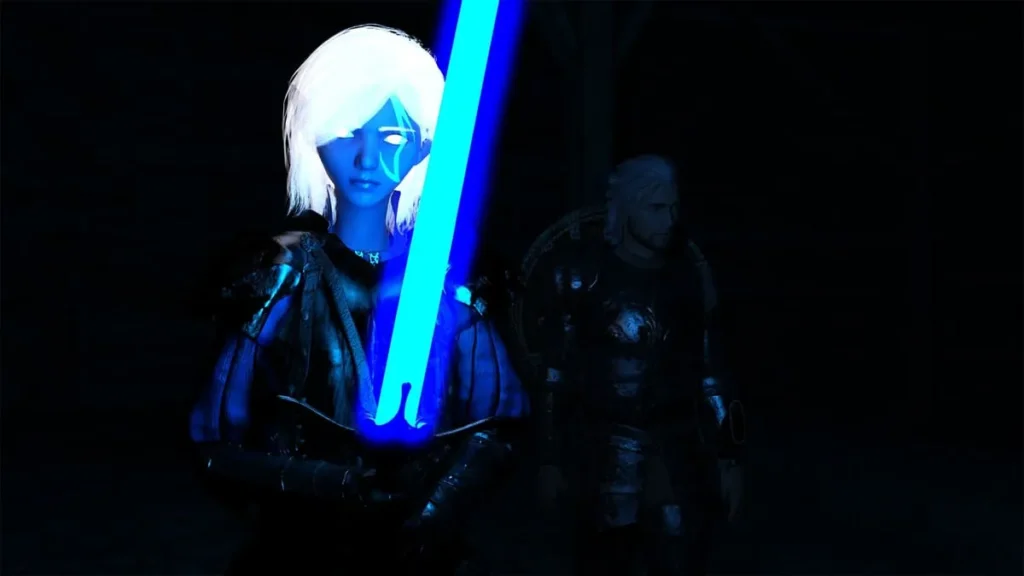
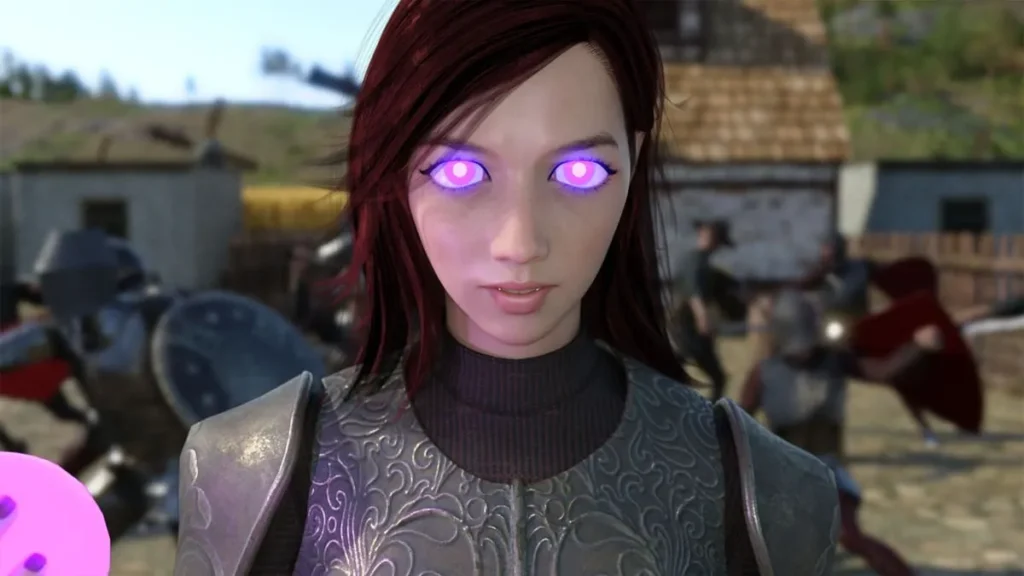
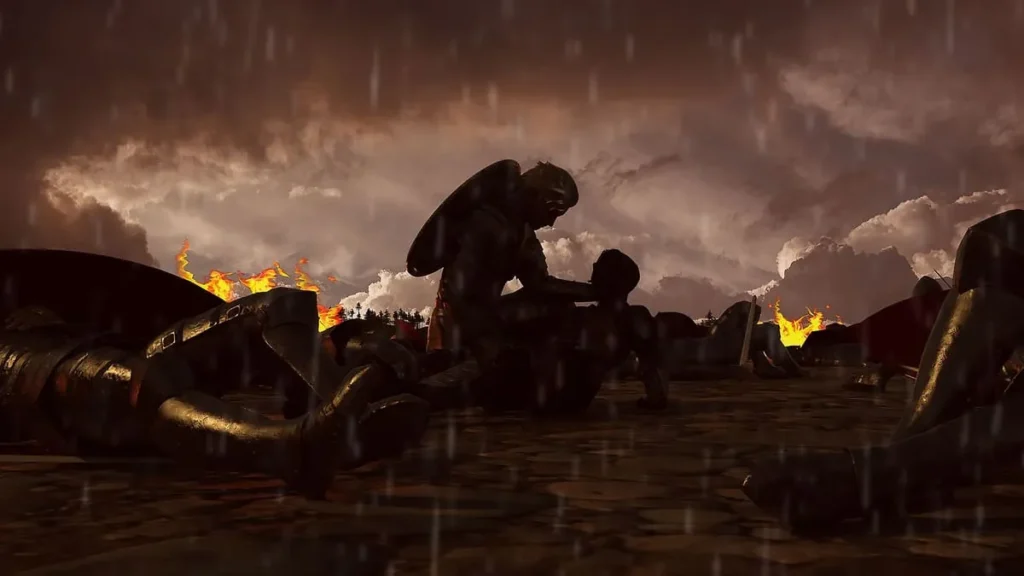
After the Inferno Screenshots

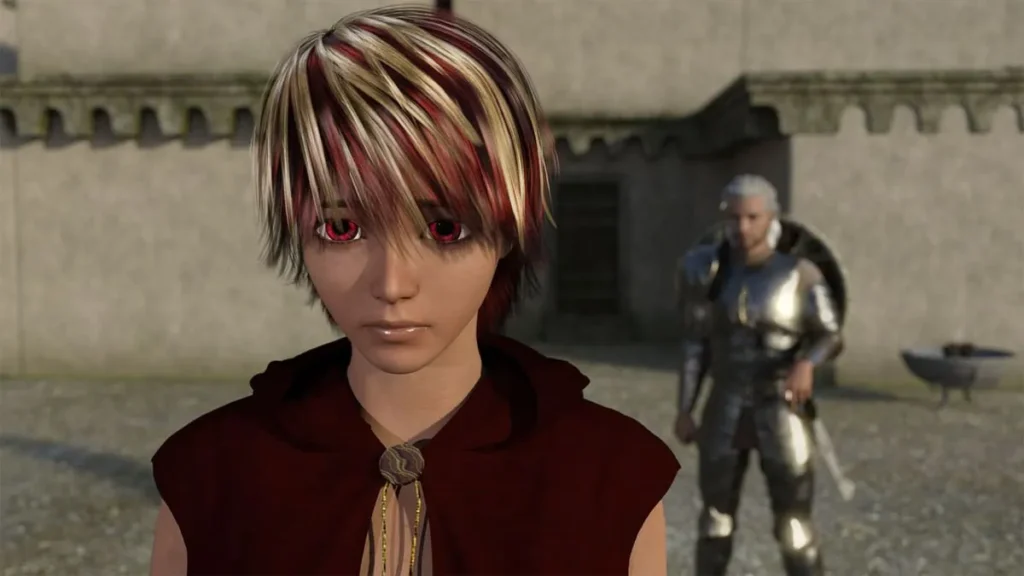
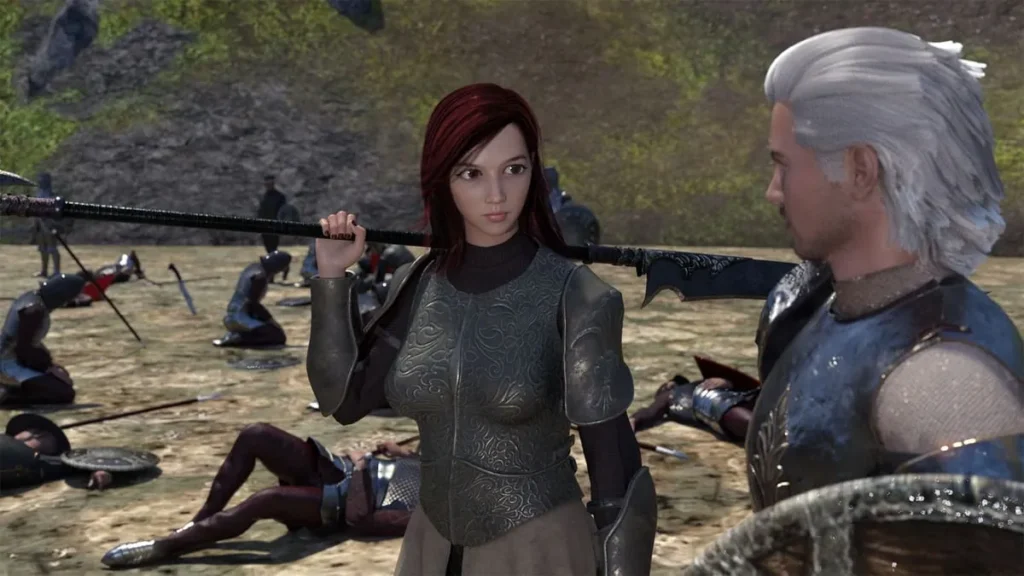


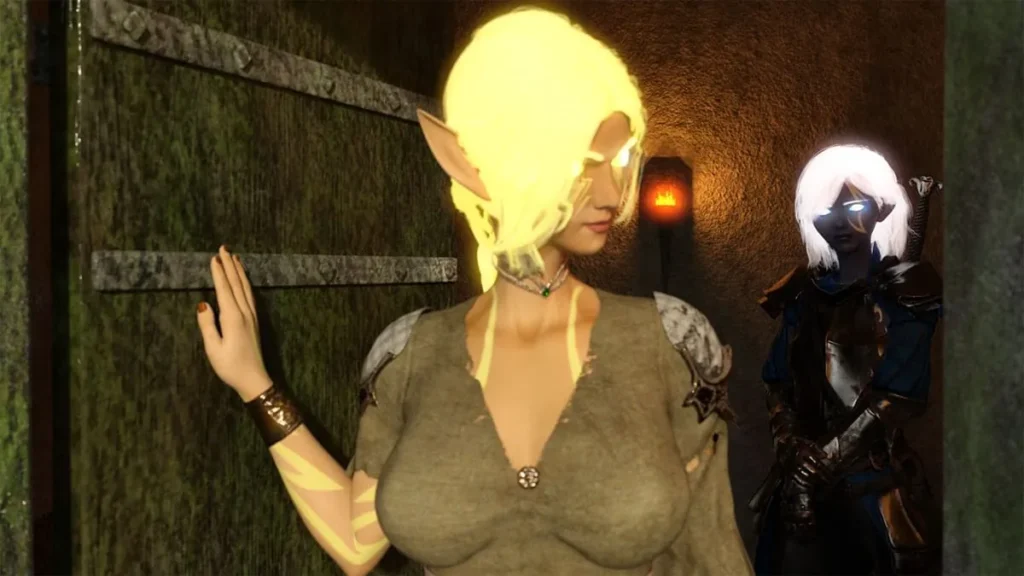
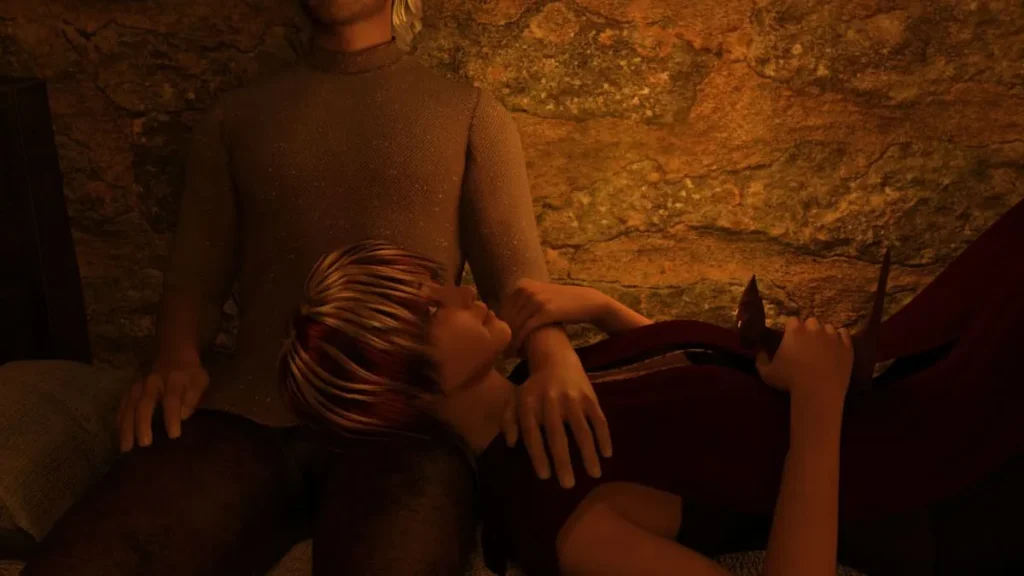

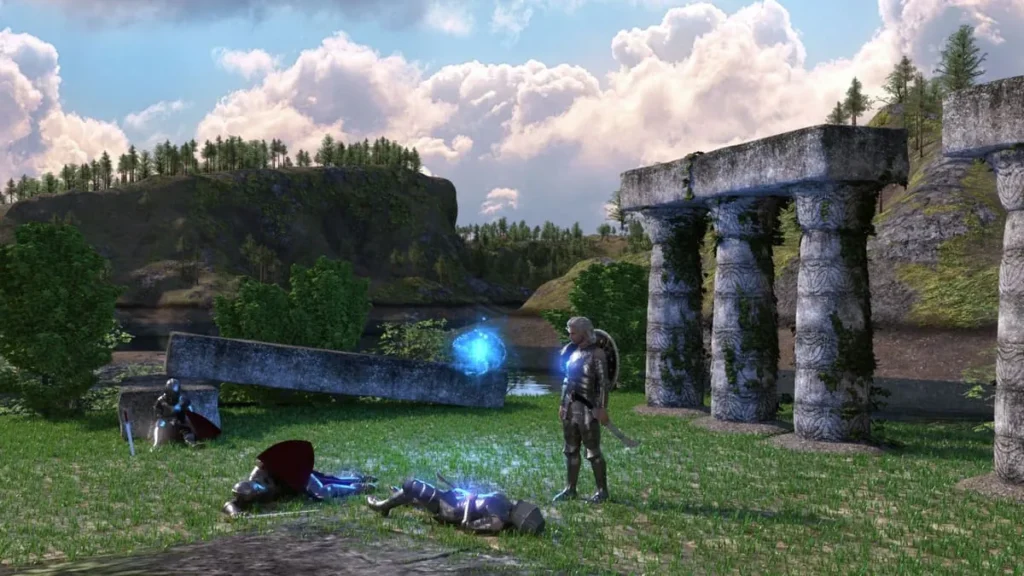
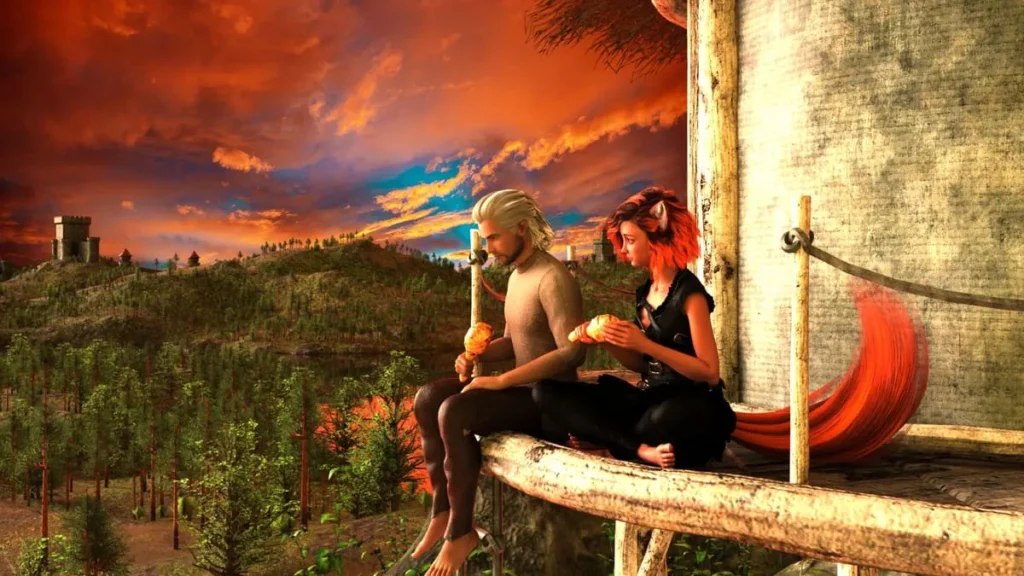
After the Inferno review
Exploring storytelling, character development, and mature themes in this indie visual novel experience
After the Inferno stands out as a visual novel that combines mature storytelling with meaningful narrative choices. This indie title has garnered attention for its ambitious approach to blending intimate scenes with genuine character development and world-building. Whether you’re curious about the gameplay mechanics, the depth of its narrative, or how it handles its mature content, this guide explores what makes After the Inferno a unique entry in the visual novel genre. We’ll examine its story structure, character interactions, optional content systems, and what players can expect from this experience.
Understanding After the Inferno: Story, Setting, and Core Gameplay
So, you’ve heard whispers about a game called After the Inferno. Maybe a friend mentioned its gripping story, or you saw some stunning art that piqued your curiosity. But what is this game, really? Is it just another titillating distraction, or is there something more substantial beneath the surface? 🤔
Let me tell you about the first time I booted it up. I was expecting a certain… type of experience. What I found instead was a narrative that hooked me with its characters first and foremost, a world I wanted to understand, and choices that actually felt like they carried the weight of my own conscience. This indie visual novel experience stands out because it refuses to be pigeonholed. It’s a character-driven visual novel with a mature narrative game heart, and if you’re someone who values story depth as much as impactful moments, you’re in for a treat.
### What Is After the Inferno and Who Should Play It? 🎮
At its core, After the Inferno is a visual novel with choices that places narrative and relationship-building front and center. You step into the shoes of Devran, a man returning to his homeland after a long exile, only to find it simmering with political tension, old rivalries, and complex personal histories. The game masterfully blends fantasy intrigue with deeply human drama.
But let’s address the spectral mammoth in the room: yes, the game includes animated intimate scenes. Here’s the crucial distinction that many miss—these scenes are integrated into the narrative, not the narrative’s sole objective. They are presented as moments of vulnerability, culmination of trust, or intense emotional connection within the relationships you build. Think of them as a narrative tool for character development, not a gameplay reward. Most importantly, they are optional. You can fade to black and the story, in all its richness, continues unimpeded. Your progression is never gated behind them.
So, who is this for?
* The Story Lover: If you crave a good plot with twists, political maneuvering, and personal stakes, you’ll find plenty to sink your teeth into.
* The Character Archaeologist: If your favorite part of any game is getting to know a cast of complex, flawed, and fascinating characters, you’ll feel right at home.
* The Agency Seeker: If you love seeing your decisions shape a story and define relationships, the branching story paths here are designed for you.
* The Mature Audience Member: If you appreciate stories that aren’t afraid to deal with adult themes—lust, power, betrayal, redemption—in a thoughtful way, this mature narrative game delivers.
If you’re looking for a shallow click-through experience, this isn’t it. After the Inferno asks for your attention and rewards it with a surprisingly nuanced world.
### The Narrative Framework: Plot, Setting, and Character Perspective 📜
The story of After the Inferno is a slow-burn fuse leading to a powder keg. You are Devran, and your return to a realm called The Citadel isn’t a heroic homecoming—it’s a cautious re-entry into a den of old ghosts and new threats. The “Inferno” of the title is both a past cataclysm that shaped the world and a metaphor for the personal fires each character carries.
The setting is a character in itself. It’s a fantasy world that feels grounded, less concerned with ancient prophecies and more with the immediate problems of power vacuums, economic strain, and social tension. This grounded approach makes every alliance feel precarious and every secret potentially explosive. 🏰
Everything is filtered through Devran’s perspective, making this a deeply personal character-driven visual novel. You’re not an omniscient force; you’re a man with a past, biases, and desires. The writing excels at making you feel like Devran—his weariness, his cautious hope, his simmering anger. This first-person intimacy is what makes the relationship-building so compelling. You’re not just selecting dialogue options for a puppet; you’re deciding how you, as Devran, will navigate these treacherous interpersonal waters.
I remember a particular evening with one of the potential partners, Kaelen. It wasn’t a grand, plot-advancing moment. It was a quiet conversation by a fireplace where he spoke about loss and duty. The game gave me choices that ranged from pragmatic sympathy to empathetic connection. I chose the latter, and that quiet moment fundamentally altered the tone of our entire relationship moving forward. It wasn’t labeled “+5 Romance Points.” It was simply human interaction, and the story remembered.
### Gameplay Mechanics and Player Choice Systems ⚙️
The gameplay of After the Inferno is elegantly simple in execution but complex in consequence. As a visual novel with choices, its primary mechanic is your decision-making. But this isn’t just about picking the “nice” or “mean” response. The game layers its choices to create genuine role-playing opportunities.
The Heart of the Game: Meaningful Choices
Every significant interaction presents you with dialogue and action choices that influence two key areas:
1. Story Direction: Your decisions can unlock entirely different scenes, reveal hidden plot threads, and determine which of the branching story paths you journey down.
2. Relationship Status: Your choices with the core cast affect your standing with them. This isn’t a simple meter you fill; it’s about aligning with their values, understanding their traumas, and earning their trust (or provoking their ire). The game respects player agency by allowing you to pursue deep connections, maintain friendships, or even burn bridges entirely.
Pursuing Romance Paths
Romance is a major, but not mandatory, component. You can pursue relationships with several key characters, each with their own complete narrative arc. The game avoids harem fantasy tropes; pursuing multiple romances simultaneously can lead to complexity, conflict, or having to make a definitive choice. These paths are woven into the main plot, so romancing a character also means engaging deeply with their role in the overarching crisis.
| Character Path | Core Theme | Choice Influence |
|---|---|---|
| The Cautious Ally | Trust & Shared Burden | Choices involve collaboration, showing vulnerability, and prioritizing collective safety over personal gain. |
| The Fiery Rival | Passion & Challenge | Choices reward boldness, intellectual sparring, and proving your strength and independence. |
| The Wounded Soul | Healing & Patience | Choices require empathy, gentle encouragement, and respecting boundaries while offering steady support. |
Tools for Immersion: Save Slots & The Codex
The game supports your journey as an active participant with smart features:
* Save Slot System: With numerous branching story paths, the game encourages—almost demands—multiple playthroughs. An extensive save slot system lets you bookmark crucial decision points. I’ve lost count of the times I’ve saved before a major choice, played out one scenario, then reloaded just to see how a different version of Devran would handle it. The replay value is immense.
* Codex Feature: The world of After the Inferno has its own history, factions, and lore. Instead of awkward exposition dumps, all this rich background information is elegantly stored in an in-game codex. Entries unlock as you encounter people, places, and concepts, allowing you to dive deep into the setting at your own pace and enhancing the overall immersion of this indie visual novel experience.
My #1 Tip: Use the save system liberally. Create a save at the start of each new “day” or chapter in the game. You’ll thank yourself when you want to explore a different path without replaying dozens of hours!
This robust framework ensures that what is After the Inferno game at its core is an interactive story where your voice truly matters. It’s a testament to the power of the visual novel with choices format when it’s executed with this much care for consequence and character.
- Story Depth & World-Building: A politically-charged fantasy narrative that treats you like an intelligent adult.
- Optional, Integrated Content: Intimate scenes are part of the character arcs, not the goal, and can be skipped without penalty.
- Multiple Romance Paths: Deep, exclusive relationship routes with fully realized characters, each affecting the main plot.
- Robust Save System: Essential for exploring the vast array of branching story paths and choices.
- Lore Codex: An in-game encyclopedia that organically tracks world details, factions, and history for total immersion.
In the end, After the Inferno is for those who want to inhabit a story, not just witness it. It’s a game that trusts its audience with complexity and rewards emotional investment. It proves that a mature narrative game can use all aspects of human experience—from strategic diplomacy to personal intimacy—to tell a compelling, unforgettable story. Your journey through the ashes awaits. 🔥
After the Inferno represents a thoughtful approach to visual novel design that respects player agency while delivering substantial narrative depth. The game succeeds in combining mature storytelling with genuine character development, offering multiple romance paths that feel meaningful rather than superficial. What sets it apart is its commitment to making intimate content truly optional—players can experience the complete story without engaging with these scenes, making it accessible to a broader audience than its mature rating might suggest. Whether you’re drawn to the narrative complexity, the character interactions, or the freedom to shape your own story through meaningful choices, After the Inferno offers an experience that values player autonomy. For those seeking a visual novel that balances mature themes with substantive storytelling, this indie title delivers on both fronts.