Play Changeling Tale
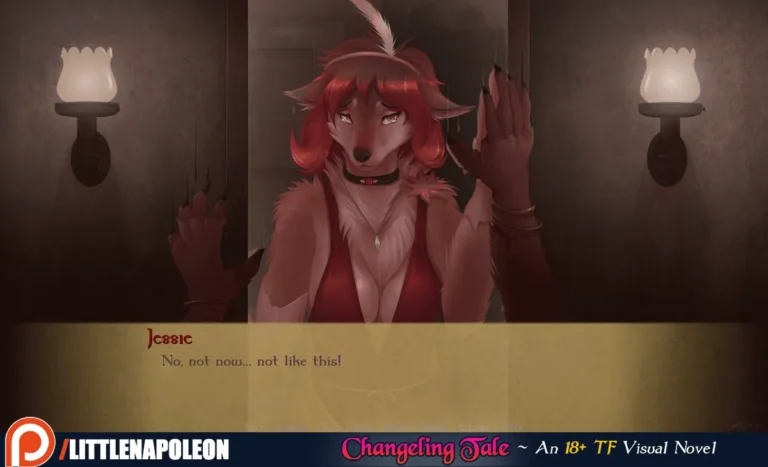
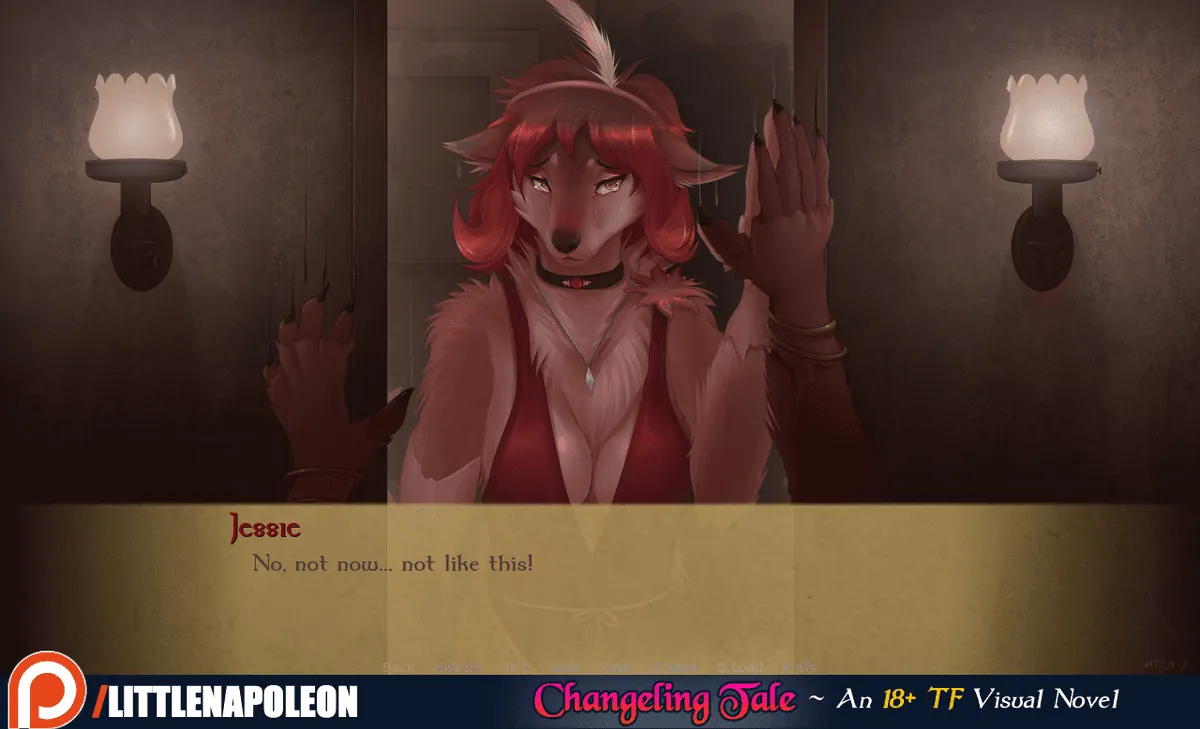
Changeling Tale Screenshots
Changeling Tale review
An in-depth, reader-friendly guide to the story, characters, mechanics, and replayability of Changeling Tale
Changeling Tale is a story-driven visual novel that blends historical atmosphere, romance options, and branching narrative to explore identity and transformation; this guide will walk you through its core elements while sharing personal impressions and playable advice. In this article you’ll find an overview of the plot and setting, character breakdowns, explanation of gameplay systems and choices, route strategies, and practical tips to improve your experience playing Changeling Tale.
Story & Setting: What Changeling Tale Is About
Let’s be honest, when you first hear about a visual novel historical setting, you might picture something dry or overly complicated. 📚 I certainly did. But then I clicked play on Changeling Tale, and within minutes, I was utterly transported. I remember one of the first evenings in-game, sitting in the protagonist’s dimly-lit study. The rain was tapping against the windowpane, a melancholic piano piece was drifting through the speakers, and the weight of the character’s quiet desperation felt almost palpable. It wasn’t about grand explosions, but about the profound silence of a person trying to piece themselves back together. That moment of quiet atmosphere hooked me completely.
“The past is a country we can never truly leave, but must learn to visit without getting lost.”
This line, echoing the game’s central struggle, perfectly captures the tone. Changeling Tale isn’t just a story you read; it’s a world you step into, and that world is defined by its masterful Changeling Tale setting.
Overview of the plot and historical backdrop
So, what is the Changeling Tale story all about? At its heart, it’s a narrative of recovery and rediscovery. You follow a protagonist returning to a seemingly ordinary life after a prolonged, traumatic absence—a period shrouded in mystery and personal fragmentation. The core Changeling Tale plot overview involves reintegrating into a world that has moved on without you, rebuilding relationships you can barely remember, and confronting the unsettling gaps in your own memory and identity. Are you the same person who left? Can you ever be again?
This personal crisis is brilliantly framed by its time period. The game is meticulously set in the aftermath of a great, global conflict, evoking the specific feel of 1919 or the very early 1920s. 🗺️ This is a world nursing its own wounds. Society is in flux, old certainties have crumbled, and everyone is grappling with how to move forward. This isn’t just set dressing; it’s the perfect mirror for your character’s journey. Your personal trauma reflects the collective trauma of the era, making the Changeling Tale setting a powerful, active character in the story.
The pacing mirrors this delicate recovery. The story unfolds gradually, like fog slowly lifting from a landscape. You’ll spend time in detailed, evocative locations—a family manor holding whispered secrets, tranquil gardens that offer fleeting peace, and bustling town streets where the rhythm of normal life feels both comforting and alien. The era-appropriate dialogue and art style, with its careful attention to fashion, architecture, and technology of the time, don’t just create a pretty picture; they deepen immersion to an incredible degree. You’re not just learning about the past; you’re living in its uneasy, hopeful aftermath.
| Story Element | How the Historical Setting Enhances It |
|---|---|
| The Protagonist’s Amnesia & Trauma | Mirrors the “shell shock” and collective societal trauma of a post-war generation, making the struggle feel historically grounded and vast. |
| Relationship Rebuilding | Set in an era of strict social codes and communication (letters, limited travel), every reconnection is more deliberate, weighty, and charged with unspoken history. |
| Theme of Identity | A time of massive social change (shifting class structures, roles of women) forces everyone to question who they are, paralleling the protagonist’s core quest. |
| Atmosphere & Tone | The juxtaposition of elegant, fading pre-war aesthetics with a new, more anxious modern world creates a unique melancholic and hopeful mood. |
Themes: identity, transformation, and relationships
Diving into the themes in Changeling Tale, the game shines brightest. The central theme is, without question, identity. The entire narrative is constructed around a simple, terrifying question: If you can’t remember your past, who are you in the present? 🪞 The game explores this not through action, but through subtle choices, reflected emotions in other characters, and the slow accumulation of memories and mementos. Your journey is one of assembling a self from fragments.
This naturally ties into transformation. You are quite literally not the person who left. The game masterfully plays with the idea of the “changeling” from folklore—a being swapped in, forced to adapt and pretend. Are you becoming your old self, or crafting someone entirely new from the ashes of the old? This transformative process is painful, beautiful, and deeply personal.
Finally, none of this happens in a vacuum. It’s through relationships that your identity is reflected and challenged. Old friends, family, and new acquaintances all hold pieces of the puzzle that is “you.” Some relationships offer a safe harbor for healing, while others might force confrontations you’re not ready for. The game asks: Do our relationships define us? Can we be loved for who we are now, not who we were? Exploring these bonds is the primary mechanism for unlocking the deeper layers of the Changeling Tale story.
Why the setting matters to the narrative
You might wonder, why choose this specific visual novel historical setting? Why not a modern-day story about amnesia? The answer is that the setting is the catalyst that elevates the plot from a personal mystery to a profound exploration. 🕰️
In a modern setting, solutions might be a phone call or a database search away. In the meticulously crafted world of Changeling Tale, information moves at the speed of letters, travel is an event, and psychology is a nascent, misunderstood field. Your character’s internal confusion is amplified by the era’s limited understanding of trauma. This forces the narrative to focus on emotional truth, subtle clues, and human connection over quick fixes.
The post-war atmosphere of fragile hope and lingering grief provides a constant, low-level emotional frequency that your personal story resonates with. The setting creates natural obstacles and narrative tension, but more importantly, it provides a rich symbolic language. Rebuilding a country and rebuilding a self are woven together, making every step forward in the Changeling Tale plot overview feel significant and hard-won. The era isn’t a backdrop; it’s the soil in which the story’s themes take root and grow.
My first foray into this world left me thoughtful for days. It’s a game that trusts its audience to sit with quiet moments and complex feelings. If you’re looking for a visual novel that offers a compelling mystery, deep emotional resonance, and a setting that truly matters, then your next read should undoubtedly be Changeling Tale.
For newcomers curious about starting their journey, two common questions are:
Is Changeling Tale suitable for visual novel newcomers? Absolutely. Its strength lies in narrative and choice, not complex mechanics, making it a fantastic and immersive entry point to the genre.
How long does a typical playthrough take? A single, careful playthrough can take around 10-15 hours, but the true magic—and the answer to its many mysteries—lies in multiple replays to explore different relationship paths and uncover the full story.
Changeling Tale is a richly atmospheric visual novel that rewards patient readers with layered themes, memorable characters, and replayable routes; whether you play for the story, the romances, or the art and music, planning multiple save files and pacing your replays will help you uncover all the endings. If you enjoyed this guide, try the recommended route order and use the save checklist to explore alternate outcomes — and leave a comment sharing which route surprised you most.