Desert Stalker
Play Desert Stalker
Desert Stalker Screenshots


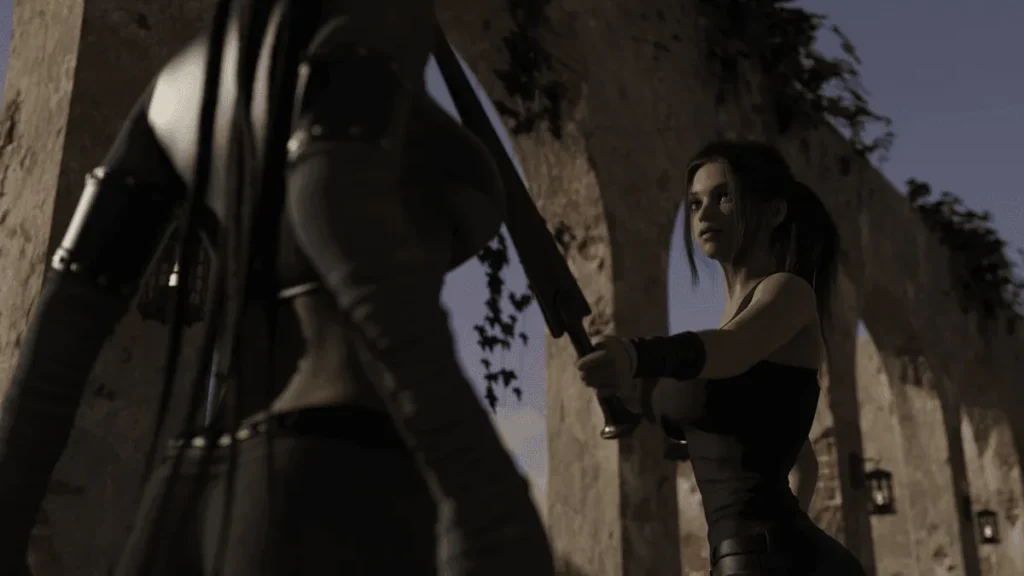

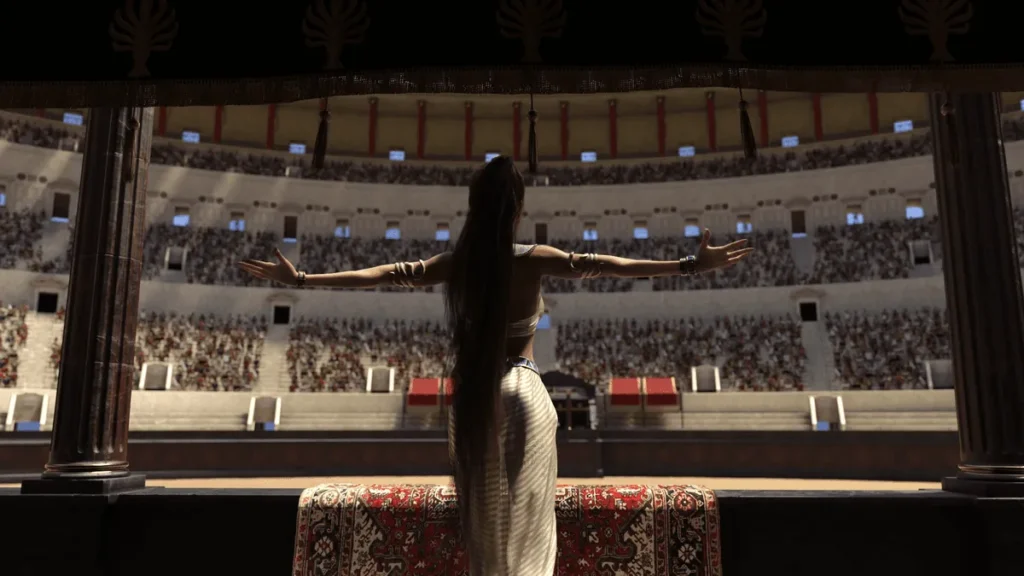

Desert Stalker review
Explore the post-apocalyptic narrative, character choices, and immersive mechanics of this acclaimed adult visual novel
Desert Stalker stands out as a premium adult visual novel that combines compelling storytelling with player agency in a richly detailed post-apocalyptic setting. Developed by Zetan, this Ren’Py-based experience puts you in control of an antiquity scavenger navigating a transformed world where your decisions shape relationships, determine outcomes, and define your character’s moral compass. Whether you’re drawn to the intricate narrative, the diverse cast of characters, or the freedom to play according to your preferences, Desert Stalker delivers a sophisticated gaming experience that transcends typical genre conventions. This guide explores what makes this title a fan favorite and how to maximize your playthrough.
Understanding Desert Stalker’s Core Gameplay Experience
If you’ve ever dipped your toes into the world of adult visual novels, you know the drill. Click, read a linear story, make a choice every few pages, repeat. It can feel a bit… passive. But what if a game handed you the keys to a living, breathing world and said, “Go explore”? That’s the seismic shift Desert Stalker brings to the table. This isn’t just another story you witness; it’s a world you inhabit, a narrative you carve with your actions, and an experience you can mold to your personal preferences from the ground up. 🏜️
At its heart, the Desert Stalker gameplay mechanics are a masterclass in player freedom and respect. It understands that you might be here for a gritty, cinematic story one day, and for developing complex character relationships the next. And crucially, it never forces you through repetitive, meaningless tasks to get to the good parts. Every discovery, every interaction, and every choice feels intentional and impactful, making it a standout in the realm of interactive storytelling games.
What Makes Desert Stalker Different from Other Adult Visual Novels
Let’s cut to the chase: Desert Stalker doesn’t play by the old rules. While many games in this niche offer a straightforward, branching narrative, Desert Stalker builds a whole ecosystem for you to navigate. The most immediate difference is its structure. It successfully merges a strong, authored plot with the openness of an adult visual novel free roam environment. You’re not just following a script; you’re living in the ruins of a fallen world.
I remember starting the game, expecting the usual visual novel flow. Instead, I was presented with a central hub—my home—and a world map dotted with locations, characters, and undiscovered secrets. The sense of agency was instant. Do I advance the main story today, or check in on that side character who seemed troubled last time we spoke? The power was entirely in my hands, and there was no “energy” system or artificial gatekeeping slowing me down.
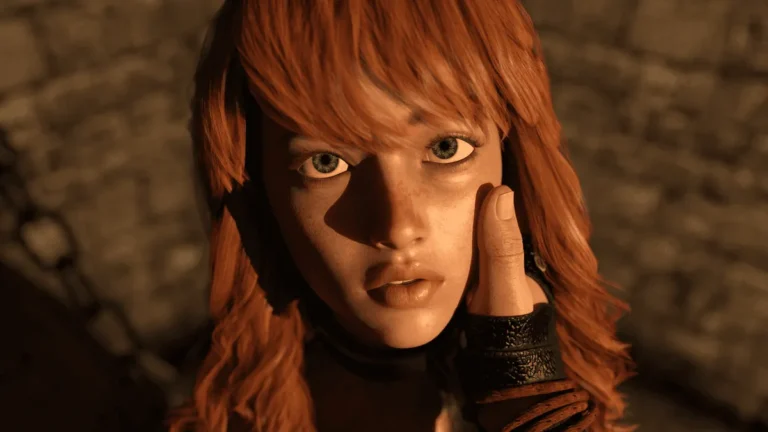
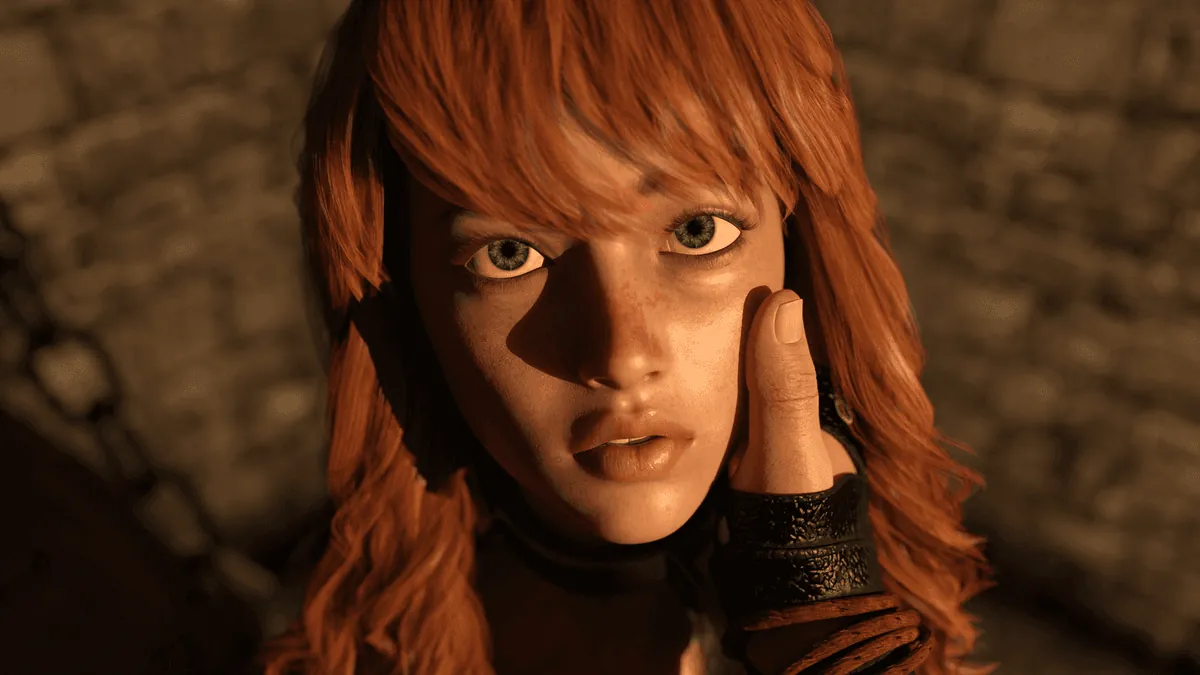
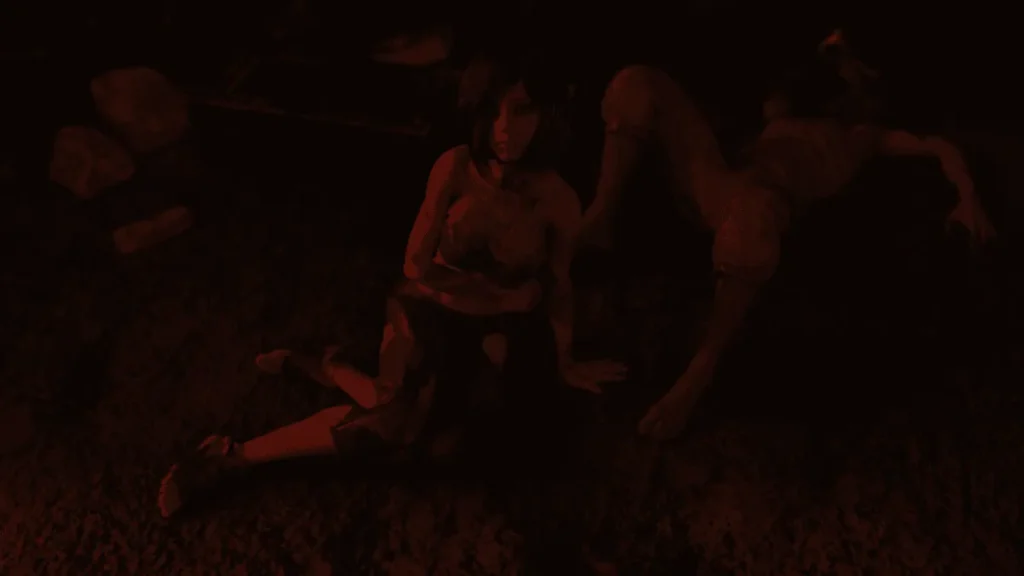
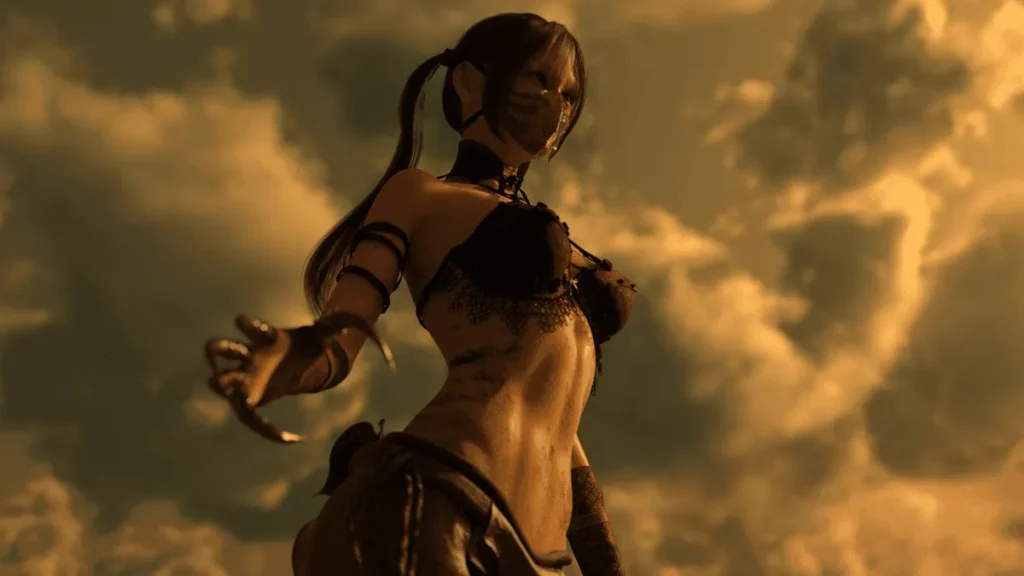
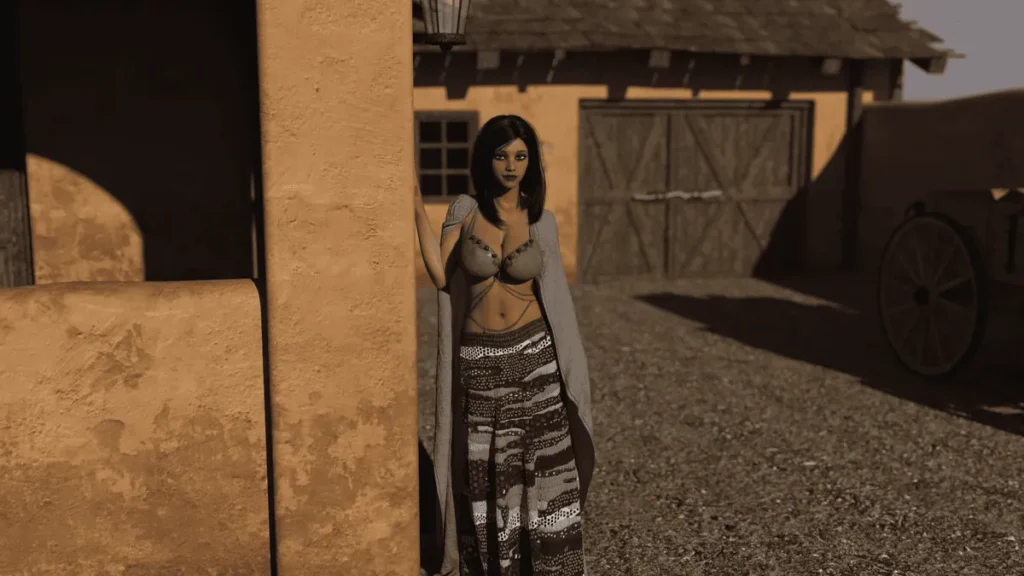
This is further elevated by a technical polish that’s frankly rare. The game uses Daz3D for its renders, resulting in consistently high-quality, detailed visuals that sell the grim beauty of the post-apocalyptic setting. Paired with a thoughtful soundtrack and cinematic scene direction, the immersion is total. You’re not just playing a post-apocalyptic visual novel; you’re surviving in one.
But perhaps the crown jewel of its design is the approach to content. Desert Stalker respects that players have diverse tastes. Its innovative system isn’t about hiding content, but about curating your journey. This level of player-first design is what truly separates it from the pack.
| Feature | Typical Adult Visual Novel | Desert Stalker |
|---|---|---|
| Gameplay Structure | Linear or branching narrative paths | Open free-roam exploration with a central narrative |
| Player Agency | Choice-driven story moments | Full world interaction, quest order control, and daily life simulation |
| Content Customization | Rare or non-existent | Granular content filter system for tailored experiences |
| Narrative Depth | Often focused on specific relationship arcs | Epic main story, deep lore, and multi-layered character arcs coexisting |
| Technical Presentation | Variable quality, often simpler assets | High-fidelity Daz3D renders, cinematic scenes, and atmospheric sound design |
Navigating the Free-Roam System and Quest Structure
So, how does this famous adult visual novel free roam actually work? Forget empty landscapes filled with copy-pasted tasks. The world of Desert Stalker is a curated playground of narrative. The map is your dashboard, and each location holds potential: a story quest, a character to talk to, a resource to find, or a hidden event waiting to be triggered.
The quest system is brilliantly non-punitive. Main story missions and character-driven side quests exist in parallel. You are never blocked from progressing a heartfelt side story because you haven’t collected 10 meaningless widgets for the main plot. This eliminates the dreaded “grind” feeling entirely. Your time is always spent experiencing new dialogue, uncovering new scenes, and making meaningful Desert Stalker character choices.
Player Tip: Think of your daily in-game cycle like real life. Some days you might feel like a protector, focusing on story missions that help the community. Other days, you might play the scavenger, exploring risky locations for rewards and darker stories. The game supports both rhythms.
Let me give you a real example from my playthrough. Early on, I had two compelling threads: a main story quest urging me to investigate a nearby raider camp, and a personal side quest where a character named Maya needed help finding a lost family heirloom in the old ruins. A typical game might force me to do the main quest first. In Desert Stalker, I chose to help Maya.
That afternoon spent in the ruins wasn’t just a fetch quest. It revealed layers of her personality, gave me insights into the world before the fall, and culminated in a poignant scene that strengthened our bond. When I did tackle the raider camp the next day, I felt more invested because I was protecting the community I was actively building relationships within. This is the magic of its interactive storytelling game philosophy: every action weaves into your personal tapestry of the story.
The Ren’Py game features are leveraged perfectly here. While Ren’Py is known for visual novels, Desert Stalker pushes it to create a seamless point-and-click exploration interface. Transitioning from your home, to the map, to a tense dialogue scene, and then into a cinematic is fluid. The engine handles the heavy lifting so you can stay immersed in the post-apocalyptic visual novel atmosphere without a hitch. 🎮
Customizing Your Experience with Content Filters
This is where Desert Stalker moves from being a great game to a revolutionary one. The developers understand that the term “adult” encompasses a wide spectrum, and player comfort zones vary wildly. The Desert Stalker content filters system is a game-changer—literally. It’s not a simple on/off switch; it’s a detailed set of preferences that puts you in the director’s chair.
Located in the easy-to-access preferences menu, this system allows you to tailor the narrative and visual content based on your interests. Are you here primarily for the gripping survival story and deep character development? You can adjust settings to emphasize that path. More interested in the building of relationships and their nuances? You can shape the world in that direction. It even allows for specificity within adult content, letting you fine-tune the experience to match what you find engaging.
This has a profound impact on Desert Stalker character choices. When you know the game will respect your broader content boundaries, you feel freer to explore the moral and emotional nuances of each decision. Will you be a domineering Stalker, using strength to secure your place in the wastes? Or will you seek moments of compassion and connection in a broken world? The filters ensure that the consequences of these choices play out in a narrative tone you’re comfortable with, making your role-play truly personal.
I’ve seen community testimonials highlight this as the #1 feature. One player said, “I love the story and world-building, but I’m not always in the mood for certain content. Being able to tailor my session means I always get exactly the experience I want.” Another noted, “It lets me focus on the parts I enjoy most, which is the writing and the characters. I feel in control.” This level of agency is rare and speaks to a deep respect for the player.
Ultimately, the Desert Stalker gameplay mechanics—from its liberating free-roam to its empowering filter system—are all in service of one goal: delivering a powerful, personal story. It proves that an adult visual novel can have the depth of a classic RPG, the freedom of an explorer’s sim, and the narrative punch of a blockbuster film, all while honoring the player’s individual playstyle. It’s not just playing a game; it’s crafting your own legend in the sand. 🌅
Desert Stalker represents a significant achievement in adult visual novel development, combining sophisticated storytelling with meaningful player agency in a meticulously crafted post-apocalyptic world. The game’s success stems from its commitment to quality across every dimension—from narrative depth and character development to technical excellence and respectful player customization options. Whether you’re a seasoned visual novel enthusiast or exploring the genre for the first time, Desert Stalker offers a compelling experience that rewards engagement with its story, respects player preferences through content filters, and delivers the polished production values of a premium title. The passionate community surrounding the game and consistent developer support suggest a bright future for continued content and refinement. If you’re seeking an adult visual novel that prioritizes both substance and style, Desert Stalker deserves a place in your gaming library.