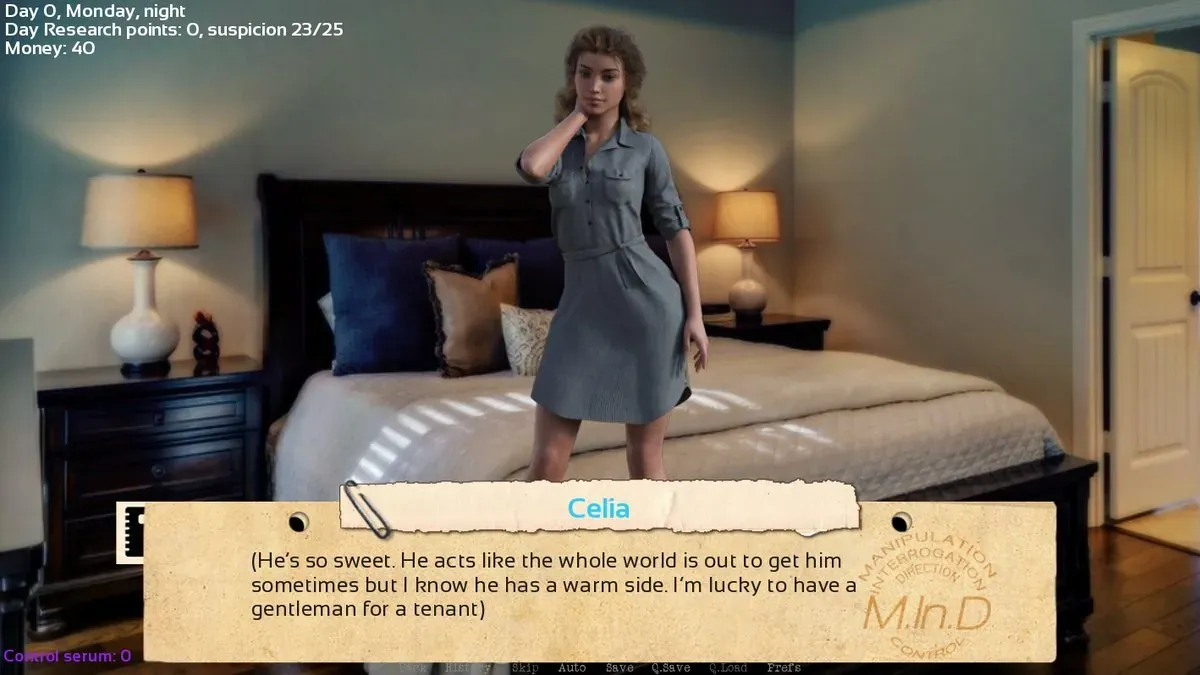
False Hero
Play False Hero
False Hero Screenshots


























False Hero review
Explore the corruption-based mechanics, character paths, and player choice system in this engaging interactive experience
False Hero stands out as a choice-driven interactive experience that puts player agency at the center of the narrative. This game features a unique corruption-based system where your decisions directly shape character relationships and story outcomes. Whether you’re new to this type of game or a seasoned player looking for your next immersive experience, understanding the core mechanics and features will help you maximize your enjoyment. This guide covers everything you need to know about False Hero’s gameplay systems, character interactions, and the meaningful choices that define your journey.
Understanding False Hero’s Core Mechanics and Gameplay System
Ever started a game thinking you’d be the shining champion, only to find the path to victory is paved with… questionable decisions? 😅 Welcome to False Hero, an interactive experience where your moral compass isn’t just broken—it’s a core gameplay feature. Unlike traditional RPGs with simple good/evil sliders, this game introduces a nuanced, all-consuming False Hero corruption system that redefines player agency. Your journey from reluctant savior to something else entirely is shaped by every whispered secret, every broken promise, and every alliance forged in shadow.
This False Hero gameplay guide will pull back the curtain on the mechanics that make this world so compellingly reactive. We’re diving deep into the three pillars that define your experience: the pervasive corruption, the weight of your branching narrative choices, and the delicate dance of character relationship paths. Get ready to understand how your smallest action can echo through an entire kingdom.
How the Corruption-Based System Works
Forget black-and-white morality. The False Hero corruption system isn’t about choosing between puppy-saving and village-burning. Instead, think of it as a subtle, accumulating stain on your soul and your reputation—a currency more powerful than gold. 🪙 It’s the game’s central, revolutionary mechanic.
So, how does it function? Corruption accrues through specific interactive decision system prompts. These aren’t always obvious “evil” options. Sometimes, it’s choosing the pragmatic, efficient solution over the righteous one. For example, early on, you might encounter a village elder withholding supplies. The “heroic” choice is to persuade him through diplomacy, a long and uncertain process. The “corrupt” choice? Use your growing fame to intimidate him into compliance. It gets the job done faster, saving lives, but it teaches you that fear is a useful tool.
Pro Tip: Corruption isn’t your enemy—it’s a resource. I learned this the hard way on my first playthrough, avoiding every shady option like the plague. I hit a narrative wall where I was too “pure” to access the political machinations needed to uncover a major conspiracy. A little strategic corruption opens doors.
This system directly feeds into False Hero character interactions. NPCs don’t just have a simple like/dislike meter for you. They have a perception of your corruption level. A fellow knight might respect your ruthless efficiency, while a pious healer becomes distrustful and withdrawn. The game world physically changes too; areas may become more oppressive or bleak, and new, shadowy vendors offering powerful, forbidden artifacts might only appear to a suitably tainted hero.
Your progression is gated and shaped by this meter. Certain powerful skills, dialogue options, and story branches are locked behind specific thresholds of corruption or purity. It’s not about being “good” or “bad”—it’s about what kind of leader you’re becoming: a compassionate martyr, a feared pragmatist, or something terrifying in between. This False Hero corruption system ensures no two playthroughs feel the same, as you literally unlock different parts of the world based on your moral standing.
Player Choice and Decision Impact
If the corruption is the engine, then player choice mechanics are the steering wheel. False Hero is built on the promise that your decisions matter, not just in the next cutscene, but for the entire narrative arc. This is a game with a long memory.
Every major interactive decision system moment is designed to create a branch. But it’s not just about picking A or B at a single junction. It’s about the cumulative weight of dozens of smaller choices that gradually tilt the story in a specific direction. Think of it like building your own unique fingerprint on the game world. 🗺️ Let me share a case study from my own playthrough:
- The Situation: A rebel leader, Elara, asked me to steal military plans from the corrupt city guard.
- Choice A (The “Hero”): Refuse, urging her to seek justice through proper channels. This increased my standing with the city authorities but branded me as naive in the underground.
- Choice B (The “Pragmatist”): Steal the plans but anonymously leak them to the public, causing chaos but avoiding direct blame. This gave me a moderate corruption boost and opened up a later quest to manipulate the resulting scandal.
- Choice C (The “False Hero”): Steal the plans, then sell copies to both the rebel leader and a noble faction vying for power. This spiked my corruption, filled my coffers, and gave me damaging leverage over three major factions.
I chose Option C. Hours later, when a city-wide riot broke out, all three factions independently came to me for help or to call in favors, believing I was on their side. The game had remembered every deal and double-cross.
The branching narrative choices are often layered. A decision might:
1. Immediately affect a character’s loyalty.
2. Alter the state of a location (e.g., a market is now heavily guarded).
3. Unlock or permanently lock a future questline.
4. Add a new entry to the in-game history book, chronicling your version of events.
This creates an incredibly non-linear experience. There’s no “paragon” or “renegade” route—there’s your route. Your playstyle, whether diplomatic, manipulative, or brutally direct, actively sculpts the political landscape and determines which of the game’s multiple conclusions you will reach.
To visualize how these choices intersect with companions, see the table below. It shows how pursuing different character relationship paths while making corrupt or pure choices can lead to vastly different outcomes.
| Character | Path Focus (Example Choice) | Low Corruption Outcome | High Corruption Outcome |
|---|---|---|---|
| Kaelen (Idealistic Squire) | Mentorship Path (Train him personally vs. Send him to the front) | Becomes a honorable knight who may challenge corrupt lords in your name. | Grows disillusioned and may desert, becoming a vengeful enemy later. |
| Lady Anya (Political Schemer) | Alliance Path (Support her coup vs. Expose her plans) | Becomes a loyal, if calculating, advisor who strengthens your rule through diplomacy. | Sees you as a kindred spirit; unlocks joint schemes to blackmail the royal court. |
| Rook (Shadowy Informant) | Utility Path (Pay for information vs. Grant him “legal” immunity) | Provides reliable tips but remains a transactional, expensive contact. | Becomes your devoted spymaster, offering unique assassination and smear-campaign quests. |
Character Relationship Progression
The characters in False Hero are not mere quest dispensers or combat bots. They are the emotional and strategic core of your journey, each with their own character relationship paths that are deeply entangled with the False Hero corruption system. Managing these relationships is less about gifting them their favorite trinket and more about consistently demonstrating a worldview they can align with—or exploit. 💔❤️🔥
Relationships progress through key moments. Major story decisions often include a private conversation with a companion afterward, where they will approve, condemn, or question your actions. Their loyalty is a fluid stat, constantly shifting. A character might adore you for saving their hometown but despise you for the cruel method you used to do it.
These False Hero character interactions are where the game’s writing shines. Let’s take Lady Anya from the table above. On a “pure” path, your interactions are full of formal titles and veiled threats—a political dance. On a high-corruption path, the dialogue shifts dramatically. The formalities drop, replaced by dark jokes and shared glances when a naive NPC speaks of honor. You’re not just gaining a ally; you’re forging a partnership in moral ambiguity. This is the essence of character relationship paths—they are narrative arcs that change tone and destination based on your collective sins.
Pursuing multiple paths simultaneously is where the real challenge—and genius—lies. You cannot be everything to everyone. Investing deeply in Kaelen’s mentorship (which rewards purity) will inevitably cause friction with Rook (who thrives on your corruption). You might have to choose who accompanies you on a mission, knowing the other will resent the snub. This creates agonizing, beautiful moments of roleplay. Do you bring the idealistic squire to witness you broker a shady deal, shattering his faith, or do you leave him behind, creating distance and suspicion?
These relationships are primary drivers of the branching narrative choices. A companion’s unwavering loyalty might give you a critical bonus in a persuasion check. Their betrayal might trigger an entire side-plot where you must deal with the consequences of a former friend turned rival. The ending you receive is, in many ways, a direct reflection of who you managed to keep by your side—or who you were forced to destroy on your climb to power.
Frequently Asked Questions
Q: How is the False Hero corruption system different from a traditional morality system?
A: Traditional systems often have separate “good” and “evil” meters, treating them as opposing forces. The False Hero corruption system is a single, accumulating spectrum. It measures your deviation from a perceived “heroic ideal.” Actions aren’t purely “evil”; they are pragmatic, ruthless, or selfish. This means you can be highly corrupt while still technically working toward a “good” goal, like saving the kingdom, which creates far more nuanced character development and storytelling.
Q: Can I reverse corruption if I change my playstyle mid-game?
A: Yes, but it’s difficult and narratively significant. Certain monumental, self-sacrificing choices can reduce corruption, but they are often costly—requiring you to give up power, wealth, or even a companion’s loyalty. The game emphasizes that choices have weight; you can’t simply atone for a dozen ruthless acts with one good deed. The world, and its people, remember who you were.
Q: What happens if I try to romance multiple characters or pursue all relationship paths?
A: The game actively discourages this through its interactive decision system. Major relationship milestones are often mutually exclusive, forcing you to choose who to confide in or side with during conflicts. Trying to juggle everyone will likely result in medium-level rapport with all, but deep loyalty with none. This can leave you isolated at critical moments, as no one trusts you enough to offer their unique, path-defining help. Specialized, deep bonds are more powerful than several shallow ones.
Ultimately, False Hero presents a gameplay philosophy where freedom and consequence are two sides of the same coin. Your power is directly proportional to the compromises you’re willing to make. By mastering the interplay between the False Hero corruption system, the deliberate player choice mechanics, and the intricate character relationship paths, you don’t just complete a story—you author your own dark, personal legend. The only real question is, what kind of False Hero will you become? 👑
False Hero delivers a compelling interactive experience centered on meaningful player choices and a distinctive corruption-based system that rewards experimentation and multiple playthroughs. The game’s strength lies in its ability to let you shape character relationships and story outcomes through your decisions, creating a personalized narrative journey. Whether you’re drawn to the strategic decision-making, character development, or the freedom to explore different paths, False Hero offers substantial replay value and engagement. If you enjoy games that prioritize player agency and consequence-driven storytelling, False Hero deserves a place in your gaming library. Start your journey today and discover how your choices create a unique story that’s entirely your own.