Kingdom of Deception
Play Kingdom of Deception
Kingdom of Deception Screenshots
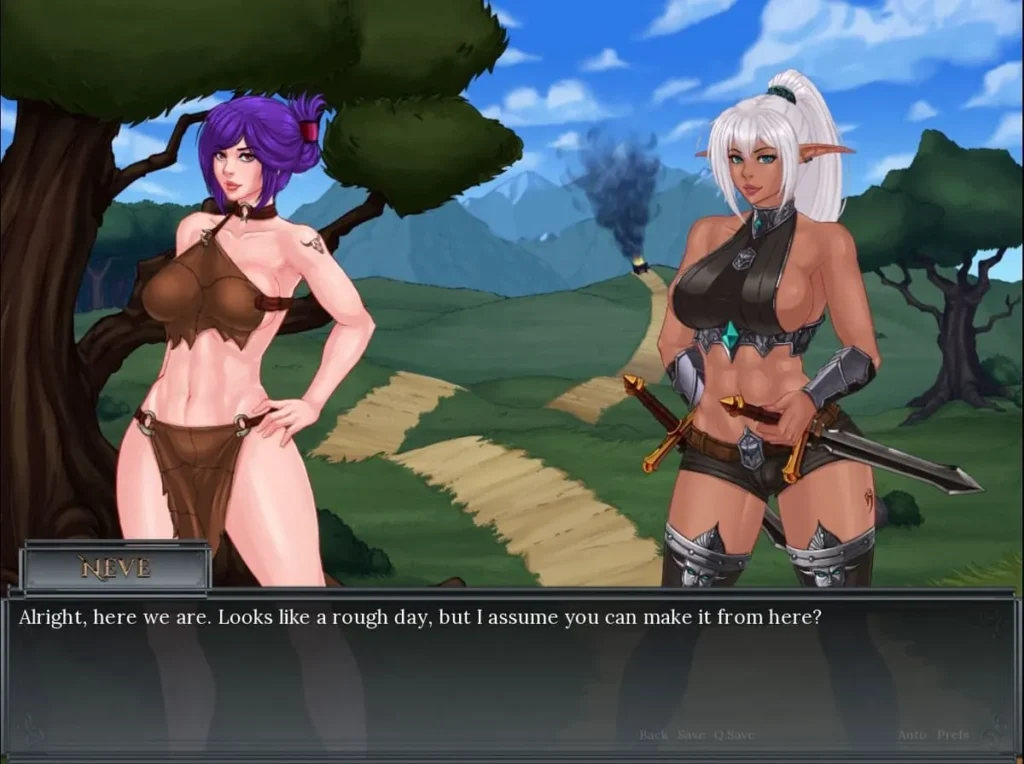
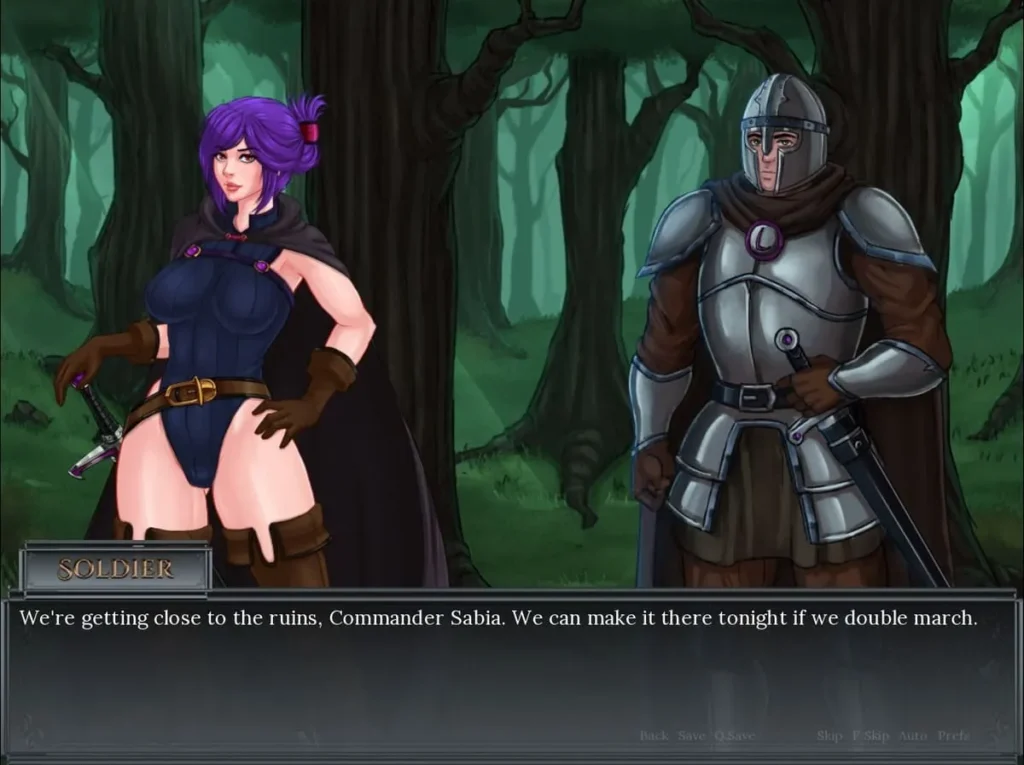
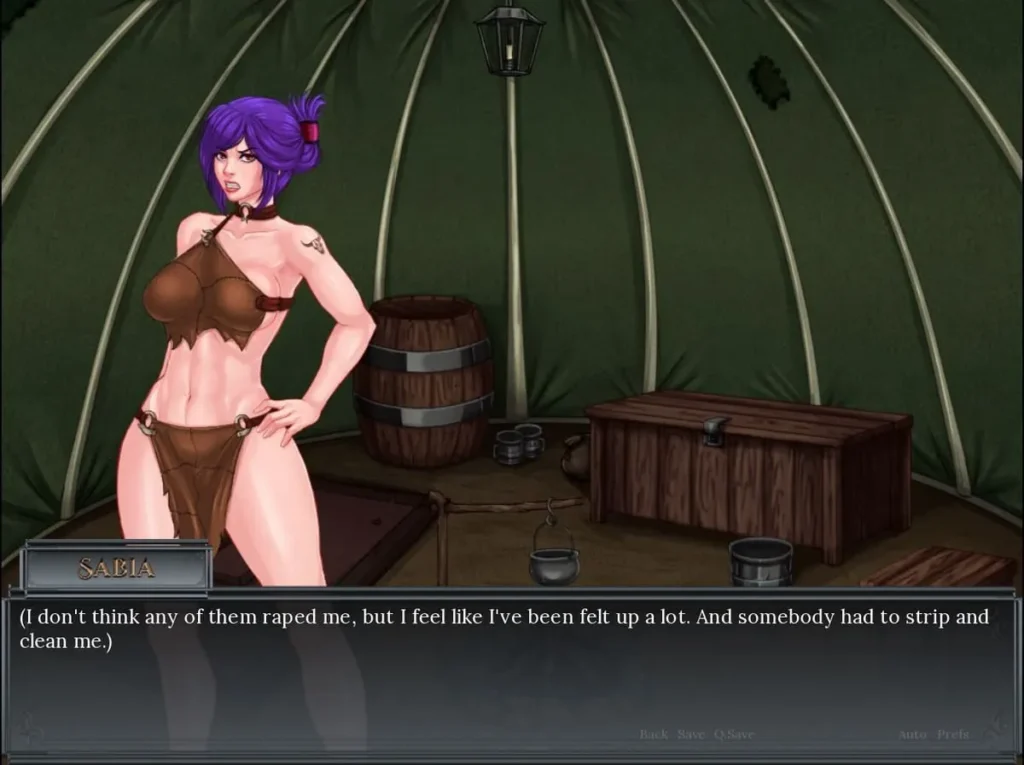
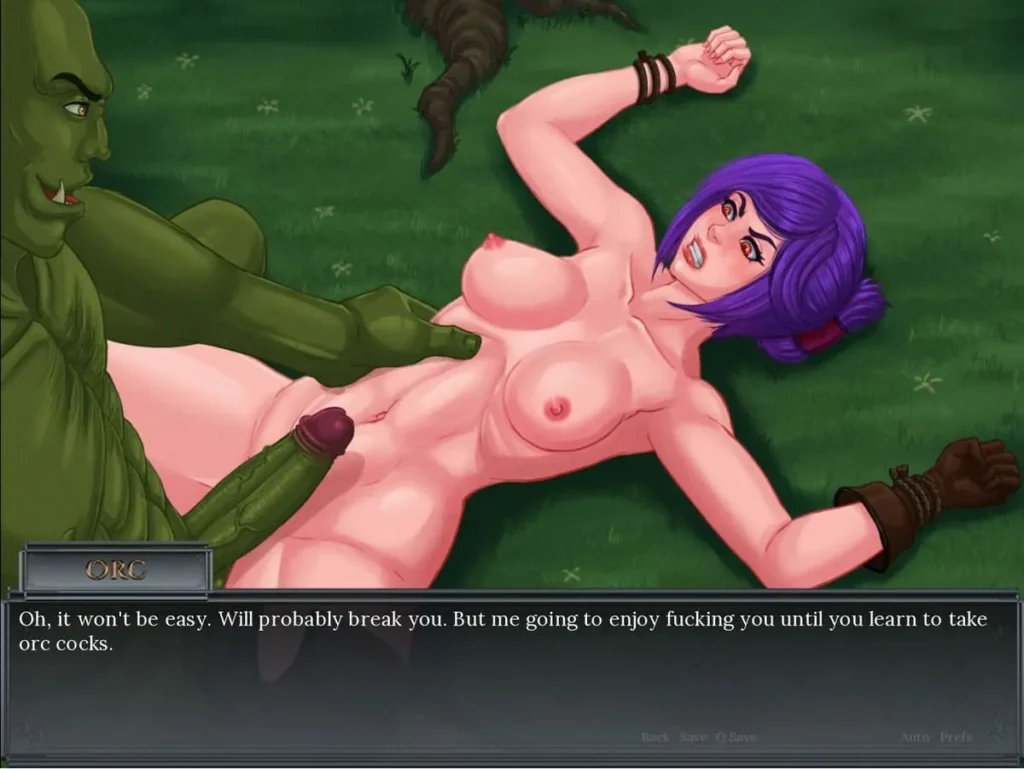
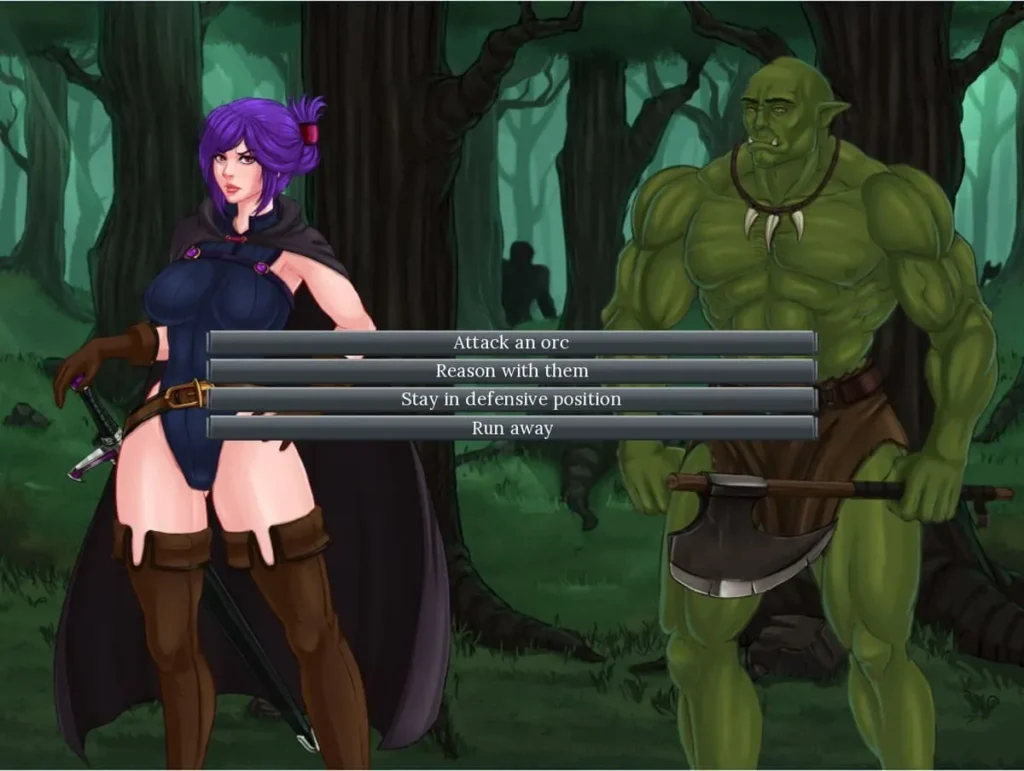
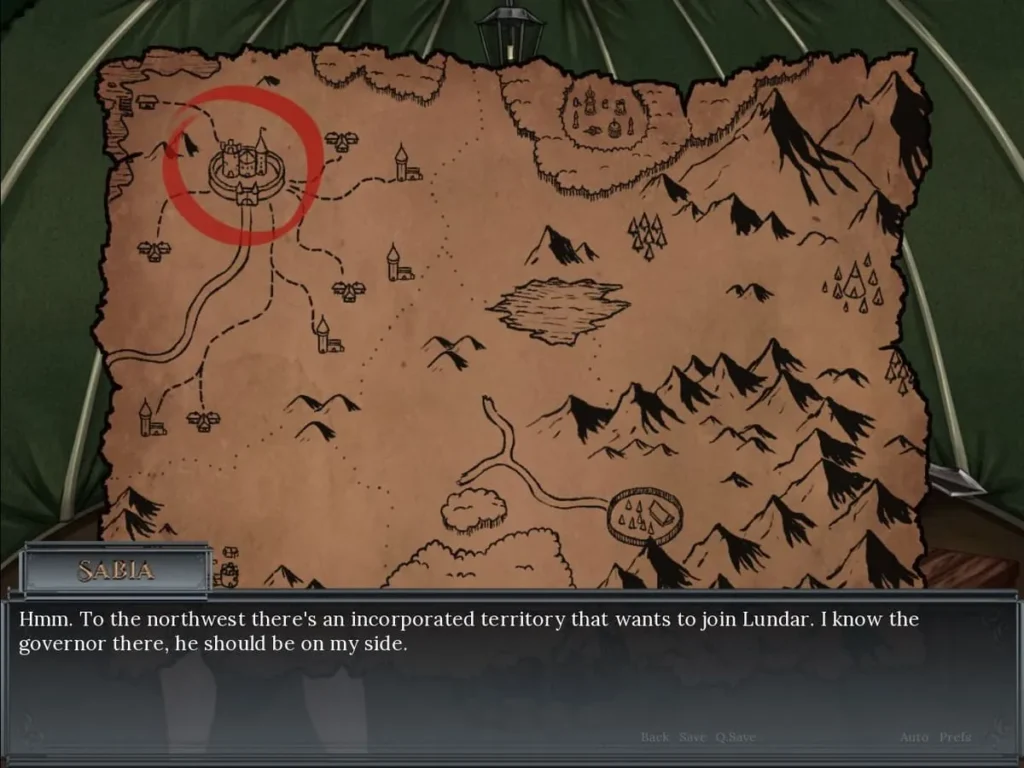
Kingdom of Deception review
Master gameplay mechanics, character interactions, and progression strategies
Kingdom of Deception is a choice-driven narrative experience that challenges players to navigate complex moral decisions and character relationships. This guide explores the game’s core mechanics, character interactions, and strategic progression paths. Whether you’re a new player seeking foundational knowledge or a returning adventurer looking to optimize your playthrough, understanding the game’s systems will significantly enhance your experience. The game emphasizes player agency through meaningful choices that directly impact story outcomes and character development, making each playthrough unique and engaging.
Understanding Kingdom of Deception Gameplay Mechanics
Welcome, fellow schemer! 👑 If you’ve just stepped into the treacherous halls of Kingdom of Deception, you might feel a bit overwhelmed. I remember my first playthrough—I spent an hour just trying to figure out if I should compliment the court jester or pick his pocket (pro tip: never do the latter). This guide is here to be your trusted advisor, breaking down the very heart of the experience: the Kingdom of Deception gameplay mechanics.
Think of these mechanics as the hidden rules of the royal court. Mastering them doesn’t just help you win; it lets you truly play the game, manipulating events and characters to your will. We’re going to cover the three pillars that hold up your entire campaign: how you interact with others, how you manage your wealth, and how you grow your power.
Core Game Systems and Character Interaction Framework
At its heart, Kingdom of Deception is a web of social intrigue. Every noble, servant, and ally is a piece on your chessboard, and understanding the character interaction system is how you learn to move them. This isn’t about picking obvious “good” or “evil” dialogue options. It’s a subtle dance of personality, memory, and calculated risk.
The system is built on two core layers: Trust and Relationship Mechanics. Every character has a hidden Relationship score with you (Cordial, Friendly, Allied, etc.) and a visible Trust meter. Trust is the daily currency of interaction—it’s how much they’re willing to divulge or do for you right now. A high Relationship unlocks deeper, more permanent conversation branches and quests, but even a trusted ally will shut down if their immediate Trust is low.
Here’s a personal insight: I once needed a key document from the Chancellor, an ally with a “Friendly” relationship. Instead of asking directly (which would have cost 80 Trust I didn’t have), I spent a day boosting his Trust by spreading a rumor he liked in the tavern. The next day, with his Trust high, he gave me the document for only 20 Trust. Work smart, not hard! 🔑
Your choices directly affect character responses through a memory log the game keeps. If you promise the Blacksmith you’ll find her stolen tools, she’ll remember. Fulfill that promise, and your Relationship soars. Ignore it, and not only does she become cold, but word gets around. The character interaction system is designed to make your words have weight. Gossip you spread, secrets you reveal, and favors you ask all ripple outwards, changing how other characters perceive and speak to you.
The gift system is your primary tool for nurturing these bonds. 🎁 But it’s not universal! Giving a poet a rare dagger might confuse him, while giving him a bottle of fine ink could skyrocket his disposition. Pay attention to dialogue hints about likes and dislikes. This personalized approach is what makes the trust and relationship mechanics feel alive and rewarding.
Resource Management and Currency Systems
You can’t orchestrate a grand conspiracy on an empty purse. The economic spine of your deception is the Kingdom of Deception currency: Gold. This resource management guide will show you how to earn it, save it, and spend it to maximum effect.
Gold is the lifeblood of progression. It’s used for everything: buying gifts, bribing guards, purchasing property, hiring informants, and crafting items. Early on, you’ll feel perpetually broke. My first major mistake was blowing 500 gold on a fancy cloak that offered no stat benefits, just as a critical bribery opportunity arose. Don’t be like past me!
So, how to earn gold in Kingdom of Deception? The ways are plentiful, but efficiency is key. Early-game activities like farming herbs in the royal gardens or gathering intelligence for minor nobles provide steady, if small, income. As you progress, completing character quests, successfully blackmailing targets, and investing in profitable businesses (like the tavern or smuggler’s dock) yield much larger sums.
Strategic allocation is everything. Ask yourself: “Will spending this gold now open a door that leads to more gold later?” Often, investing in a character’s quest or buying a key piece of information has a much higher long-term return than a temporary upgrade.
To help you visualize your options, here’s a breakdown of common activities:
| Activity | Gold Earned | Time Investment | Efficiency Rating |
|---|---|---|---|
| Herb Gathering | 20-50 | Low (1 in-game hour) | ⭐ Good for early cash |
| Completing a Minor Favor | 100-200 | Medium (2-3 hours) | ⭐⭐ Reliable & builds Trust |
| Successful Blackmail | 300-800 | High (Requires setup) | ⭐⭐⭐ High risk, high reward |
| Tavern Investment Payout | 250 (weekly) | Very Low (Passive) | ⭐⭐⭐⭐ Best for long-term |
| Selling Crafted Poison | 150 | Medium (Crafting time) | ⭐⭐ Steady, needs skill |
Remember, gold is just one resource. Your daily Actions, specific crafting materials, and even social favors you’re owed are all part of your portfolio. A true master manages it all.
Progression Mechanics and Skill Development
The progression system in Kingdom of Deception is beautifully interwoven with your social maneuvering. You don’t “level up” in a traditional sense; you become more capable and influential by engaging with the world and its people. Your skills in Deception, Persuasion, Observation, and Logistics improve primarily through use.
Want to get better at Persuasion? Successfully persuade people. It seems simple, but it means you must take social risks to grow. Early on, I focused solely on Deception, but hit a wall when I needed to openly negotiate an alliance. I had to deliberately seek out Persuasion challenges to round out my capabilities.
Character development unlocks new interaction options and solutions to problems. A high Observation skill might let you notice a hidden door during a conversation, offering a new route for blackmail. A developed Logistics skill could reduce the cost of running your spy network, effectively generating more resources.
The game’s content unlocks are primarily gated behind your relationships and key story choices. You can’t access the secret spy guild until you’ve proven your worth to the spymaster. You won’t be invited to the royal hunt unless you’ve cultivated a strong bond with a sporting noble. This makes the progression system feel organic—your social reach directly enables your gameplay advancement.
Your progression system strategy should be focused. In the early game, dedicate time to:
* Building a reliable source of Kingdom of Deception currency.
* Establishing a “core circle” of 2-3 characters with diverse connections.
* Improving one or two key skills that match your intended playstyle (e.g., Deception for a shadowy manipulator).
To give you a clear starting path, here is a step-by-step early-game progression checklist for new players:
- Complete the Introductory Tutorial Quests: Don’t skip these! They force you to try each core Kingdom of Deception gameplay mechanic.
- Identify Your First “Mark”: Choose one mid-level noble or official to befriend. Focus your early gifts and conversations on them.
- Establish a Daily Income Stream: Whether it’s herb gathering or simple favors, make sure you earn at least 100 gold every in-game day.
- Spend Your First 500 Gold Wisely: Invest it in a business for passive income OR use it on high-impact gifts for your chosen “mark.”
- Attempt One “Risky” Action Per Week: Try a small blackmail, spread a juicy rumor, or pick a locked door you’ve scoped out. This is how your skills grow.
- Keep a Mental Log: Note down character likes, dislikes, and any promises you make. The game remembers, and so should you.
Mastering the Kingdom of Deception gameplay mechanics is a journey of constant learning and adaptation. There’s no single “right” way to play, only more or less effective strategies. By understanding the delicate dance of the character interaction system, managing your resources like a seasoned treasurer, and strategically driving your own progression, you’ll move from a pawn in someone else’s game to the player moving all the pieces. Now go forth—the kingdom won’t deceive itself! 👑
Kingdom of Deception offers a rich experience centered on meaningful player choices and character relationships. By understanding the core mechanics—from resource management to character interactions—you can craft a personalized playthrough that aligns with your preferred playstyle. The game rewards strategic thinking and relationship building, making each decision feel consequential. Whether you’re focused on maximizing resources, developing specific character relationships, or exploring all available content, the systems outlined in this guide provide the foundation for success. Take time to experiment with different approaches, as the game’s design encourages multiple playthroughs to discover all possible outcomes and character storylines.