
Lost in Paradise
Play Lost in Paradise
Lost in Paradise Screenshots




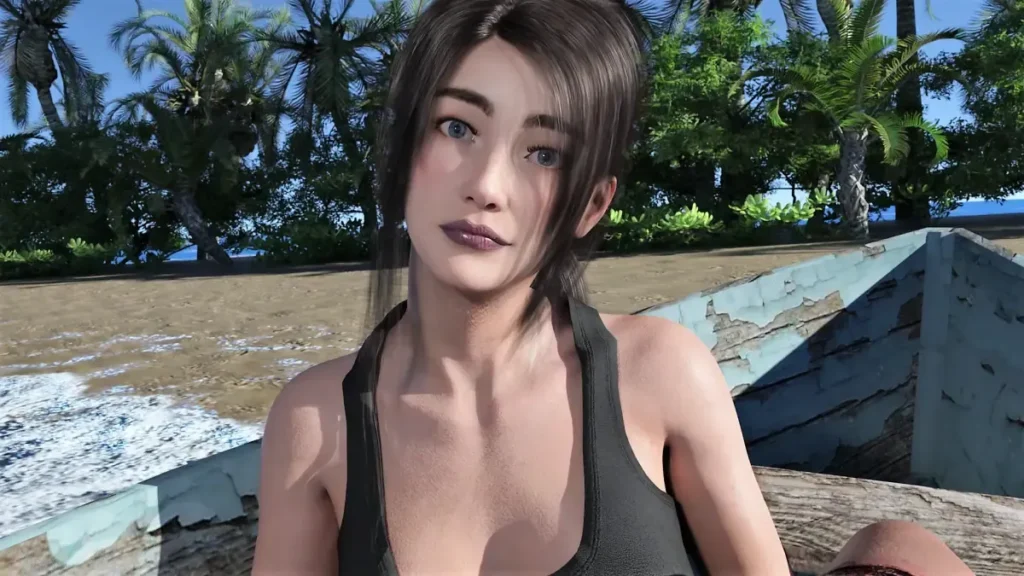



Lost in Paradise review
A deep dive into the world and mechanics of Lost in Paradise
Lost in Paradise stands out as a distinctive title in its genre, captivating players with its immersive world and unique approach to storytelling. This game offers a blend of exploration, character interaction, and narrative depth that sets it apart from others. Whether you’re new to the experience or looking to revisit its world, understanding what makes Lost in Paradise special is key to appreciating its appeal. In this article, we’ll explore the game’s core elements, gameplay mechanics, and what draws players into its universe.
Understanding Lost in Paradise’s World
I still remember the first time I booted up Lost in Paradise game. I was expecting a simple escape, a pretty backdrop for some light adventuring. What I got instead was a slow, deep breath of digital air that completely reshaped my idea of what a virtual world could feel like. It wasn’t just about playing a game; it was about being gently, but firmly, placed into a state of mind. That’s the secret sauce, and it all starts with understanding the world the developers have built.
What Makes Lost in Paradise Unique? 🏝️
Most games tell you what you are—a hero, a soldier, a survivor. Lost in Paradise is more interested in where you are, and more importantly, how you feel being there. This isn’t a power fantasy; it’s an atmospheric narrative. The core loop isn’t about leveling up stats, but about uncovering emotional truths and connecting with a place on a profound level.
Think of it this way: in many titles, the environment is a stage for action. Here, the environment is the action. The rustle of palm fronds, the distant cry of unfamiliar birds, the way the light filters through the canopy to dapple the forest floor—these aren’t just background details. They are active participants in the Lost in Paradise experience. The pace is deliberately unhurried, inviting you to observe, listen, and absorb. This commitment to tone over tempo is what truly sets this Lost in Paradise game apart from the crowd.
Exploring the Game’s Setting 🌺
Let’s talk about the star of the show: the Lost in Paradise setting. You find yourself on a breathtaking, seemingly untouched tropical island. But calling it just “tropical” sells it short. This is a place of layered beauty and subtle mystery.
- Visual and Auditory Poetry: From sun-bleached coral coves to dense, humid jungles and mist-shrouded highlands, each biome has its own personality. The sound design is a masterclass in immersion. I once spent ten real-world minutes just sitting by a waterfall, listening to the layered roar and watching the light create rainbows in the spray. It was a moment of pure, unexpected peace that the game actively encourages.
- A Living, Breathing Space: The island feels ancient and aware. You’ll find crumbling stone markers hinting at a forgotten culture, vines reclaiming old structures, and ecosystems that operate on their own rules. This isn’t a static painting; it’s a living entity you are learning to coexist with. The Lost in Paradise world doesn’t revolve around you—you are a guest within it, and that shift in perspective is everything.
- Shaping the Journey: This setting directly dictates the Lost in Paradise gameplay. Your objectives often involve understanding the environment: tracking animal paths to find resources, learning weather patterns to plan exploration, or deciphering environmental clues to solve the island’s gentle puzzles. The challenge comes from engagement and observation, not combat reflexes.
Pro Tip: Don’t rush. The most rewarding discoveries in the Lost in Paradise setting are often off the beaten path. If a cave looks interesting, explore it. If a vista is stunning, take a screenshot (you’ll want to). Let the world guide your curiosity.
Character Dynamics and Storytelling 🗣️
Of course, a world this vivid needs inhabitants to give it emotional weight. This is where the Lost in Paradise characters and the Lost in Paradise story weave together into something special. You are not alone on this island. You’ll encounter a small group of other souls, each stranded for their own reasons, and each carrying their own baggage.
The narrative isn’t delivered through lengthy cutscenes, but through fragmented conversations, shared tasks, and quiet moments. You might piece together a character’s past by helping them rebuild a shelter, or understand their fears by the way they react to a storm. The relationships you build are the engine of the plot.
- Driving the Narrative Forward: The central mystery of “how do we get home?” gradually becomes intertwined with deeper questions: “what did we leave behind?” and “what have we found here?” The Lost in Paradise story progresses as you deepen your bonds with the island and its inhabitants. Choosing who to help, which secrets to pursue, and how to mediate tensions shapes your personal version of the tale.
- The Heart of the Experience: I formed a real attachment to one character, an older botanist who saw the island not as a prison, but as a library of lost knowledge. Helping her document flora wasn’t a fetch quest; it was a series of quiet, meaningful conversations that changed how I saw the environment. These dynamics make the Lost in Paradise experience profoundly human amidst the wild beauty.
To see how this approach contrasts with other narrative-driven games, let’s look at a quick comparison:
| Element | Lost in Paradise | Common Similar Titles |
|---|---|---|
| Primary Focus | Atmosphere & Emotional Discovery | Plot Resolution & External Conflict |
| Pacing | Deliberate, Meditative | Driven by Urgency or Danger |
| Character Bonds | Built through shared daily life & dialogue | Forged through high-stakes action sequences |
| Player Role | Observer & Participant in a living space | Protagonist driving events forward |
Understanding the Lost in Paradise world is about surrendering to its rhythm. It’s a game that values the journey over the destination, the question over the answer, and the emotional resonance over the explosive climax. It asks you to slow down, look around, and listen—not just to the characters, but to the wind, the water, and the whispers of the island itself. That is its unique, and utterly captivating, appeal.
Lost in Paradise offers a memorable experience through its rich setting, engaging characters, and compelling narrative. Its unique blend of exploration and storytelling creates a world that players can truly lose themselves in. If you’re looking for a game that stands out for its atmosphere and depth, Lost in Paradise is worth exploring. Dive in and discover what makes this title a standout in its genre.