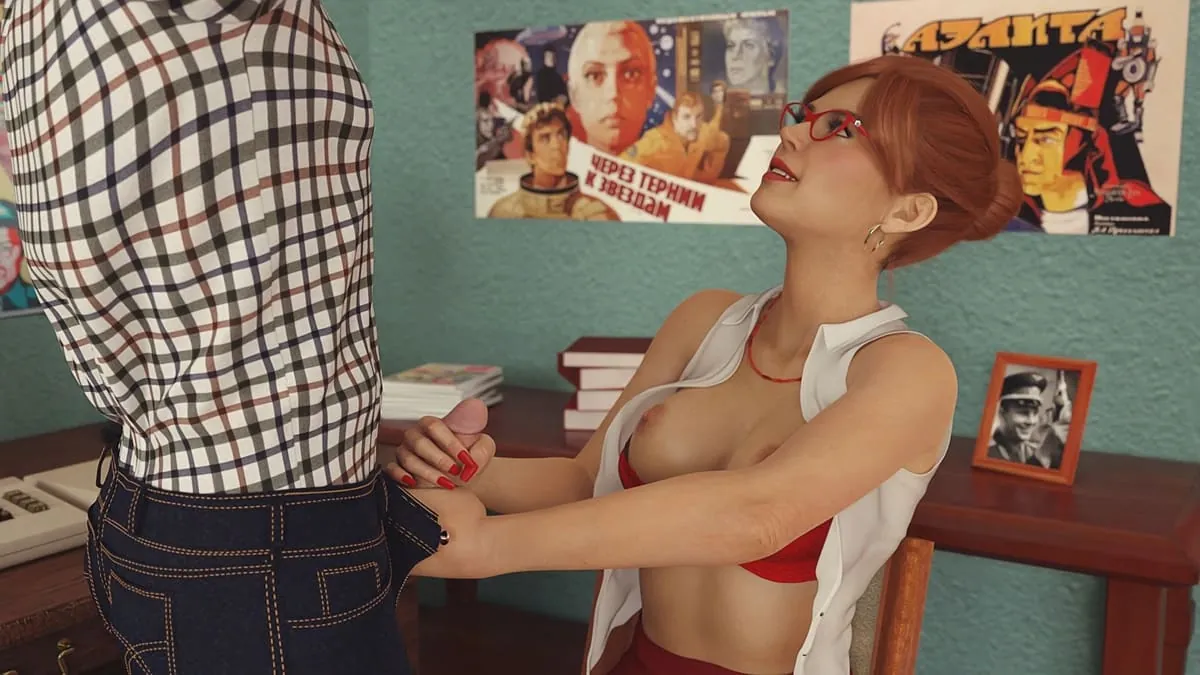
RSSU – Retro Style Soviet Undies – Case#1 Ithaca Project
Play RSSU – Retro Style Soviet Undies – Case#1 Ithaca Project
RSSU – Retro Style Soviet Undies – Case#1 Ithaca Project Screenshots

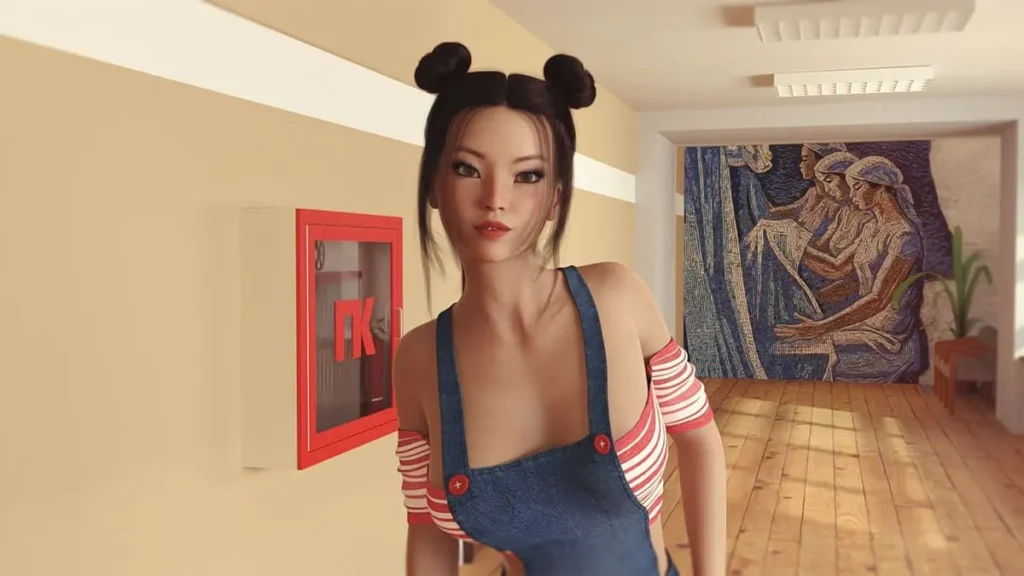

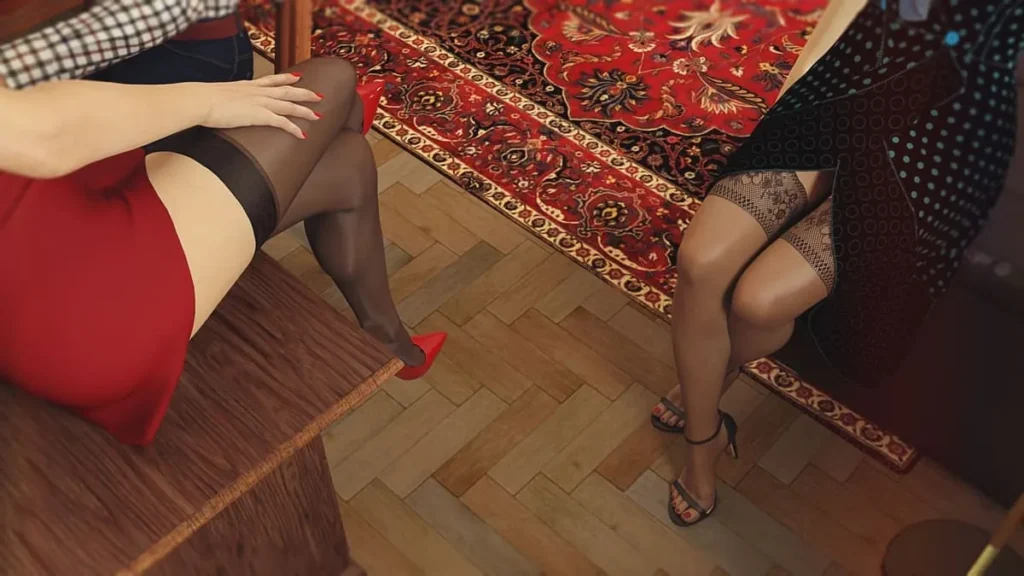
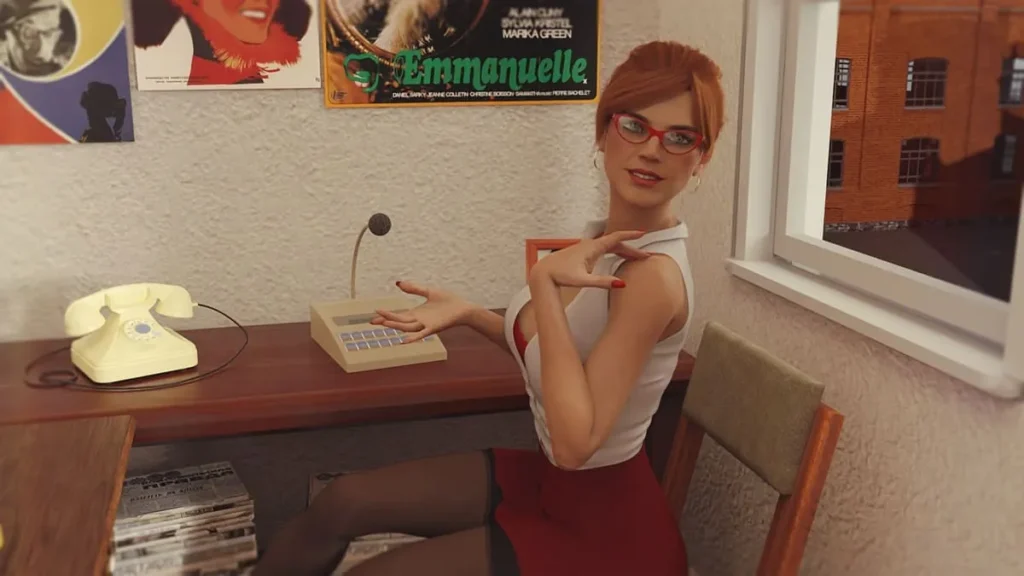



RSSU – Retro Style Soviet Undies – Case#1 Ithaca Project review
Exploring the Unique 1980s Soviet-Themed Visual Novel Experience
RSSU – Retro Style Soviet Undies – Case#1 Ithaca Project is a distinctive visual novel game set in the Soviet Union during the 1980s. This game combines a nostalgic retro atmosphere with an engaging storyline centered around a young graduate navigating corporate life and unexpected adventures. Its unique cultural setting and quirky humor make it a standout title for fans of story-driven games with a vintage twist. In this article, we dive deep into what makes RSSU a memorable experience, from its setting and characters to gameplay mechanics and thematic elements.
Immersing in the 1980s Soviet Setting of RSSU
Remember the first time you loaded up a game and felt instantly transported? 🎮 That’s the exact magic RSSU – Retro Style Soviet Undies – Case#1 Ithaca Project works on you. It doesn’t just show you a world; it drops you right into the heart of a very specific time and place. We’re talking about a 1980s Soviet Union game setting so meticulously crafted, you can almost smell the crisp pages of a fresh Pravda and hear the distant hum of a trolleybus. This isn’t just a backdrop; it’s a living, breathing character in itself. Let’s pull back the Iron Curtain and explore what makes this visual novel Soviet Union experience so uniquely captivating.
How RSSU Captures the Soviet 1980s Atmosphere
Stepping into RSSU feels like opening a time capsule sealed in 1987. 🕰️ The genius lies in the details, the mundane yet iconic elements of everyday life that build an undeniable sense of place. This isn’t about grandiose political speeches or military parades (though those might get a mention); it’s about the texture of daily existence.
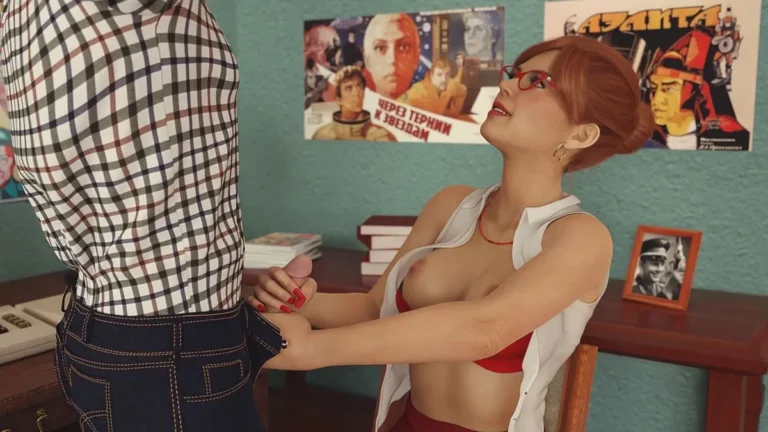
The game’s retro Soviet aesthetics are your first clue. Think of the muted, often slightly faded color palettes of communal apartments and government offices. The wallpaper has a specific pattern, the furniture is unmistakably bulky and utilitarian, and the light filters through lace curtains in a way that immediately signals “this is not the West.” This careful visual design is the foundation of the 1980s Soviet Union game setting.
Then come the sounds and the objects. The clatter of a mechanical typewriter, the distinctive boot-up chime of an Elektronika BK-0010 computer—these are more than props; they are authentic Soviet technology references that ground the experience. Your character doesn’t check a smartphone; they might listen to a news bulletin on a wired Radiotochka speaker or struggle with a complex public telephone system. This attention to technological artifact is a brilliant way to showcase Soviet culture in video games, highlighting the unique blend of ingenuity, scarcity, and analog charm of the era.
But the atmosphere isn’t complete without the people and the social vibe. There’s a particular mood—a mix of late-Soviet lethargy, whispered hopes for change, and the dark, bureaucratic humor needed to cope with it all. RSSU encapsulates this perfectly, making the setting feel lived-in and real.
Character Profiles and Their Roles in the Story
At the center of this world are the RSSU game characters, a cast that feels plucked right from a Mosfilm drama, each representing a different facet of Soviet life. You don’t just meet them; you navigate the delicate social codes and unspoken rules of their world alongside them. 👥
Your avatar is a brilliant entry point: a young, freshly minted university graduate starting their first “corporate” job at a surreal Soviet institution. Through their eyes, we experience the bewildering transition from academic idealism to the often-absurd reality of workplace bureaucracy. Their journey of navigating this new life is our own.
The characters you meet aren’t just quest-givers or romantic interests; they are archetypes and individuals. From the weary but kind-hearted department head who has seen it all, to the cynical coworker who has mastered the art of tufta (doing the bare minimum), each interaction teaches you something about survival and society. The 1980s fashion in RSSU further defines them—the cut of a suit, the style of a dress, or the rarity of imported jeans tells a story about their personality, aspirations, and status.
To help you keep track of this delightful ensemble, here’s a quick guide to some key personalities you’ll encounter:
| Character | Role & Archetype | Brief Description |
|---|---|---|
| The Graduate (You) | The Protagonist & Newcomer | A bright-eyed university grad experiencing the surreal shock of their first official job in the late-Soviet system. Your choices shape their path. |
| The “Nachalnik” (Boss) | The Bureaucratic Pillar | The department head. A figure of authority who operates on a blend of obscure regulations, personal favors, and a deep, tired understanding of “how things work.” |
| The Cynical Colleague | The Veteran Realist | A coworker who has perfected the art of appearing busy. Provides darkly humorous commentary and survival tips, often from behind a cloud of cigarette smoke. |
| The Idealistic Friend | The Moral Compass | A contact from university days who still believes in the system’s original ideals. Offers a contrasting, more philosophical perspective on events. |
| The “Stylish” Acquaintance | The Trendsetter | A character with access to forbidden fruits—western music, fashion magazines, or black-market goods. Represents the tantalizing glimpse of the outside world. |
Meeting these RSSU game characters is where the setting truly comes alive. Their stories, worries, and humor are the human heartbeat within the meticulously reconstructed world.
Cultural References and Visual Style in the Game
This is where the game truly sings for anyone with a connection to, or fascination with, the era. RSSU is a masterclass in using Soviet culture in video games not as a cheap gimmick, but as a rich language for storytelling and humor. 🎨
Visually, the retro Soviet aesthetics extend into every menu, background, and character sprite. The art style often echoes the poster art, cartoonish illustrations (karikatura), and even the pixelated charm of early computer games from the region. It’s a cohesive look that feels both nostalgic and intentionally crafted. You’ll spot iconic products on shelves, specific models of cars on the street, and interior designs that are textbook examples of late-Soviet taste.
The cultural nods are layered and smart. The dialogue might be peppered with references to popular Soviet films like Kin-dza-dza! or The Irony of Fate, or to the melodic tunes of Vysotsky or Tsoi playing on a crackly radio. These aren’t just name-drops; they’re shared cultural touchstones that define the characters’ worldviews. Even the food and drink—the struggle for a decent sausage, the universal presence of tea and prianiki—add a layer of relatable, daily texture.
My personal “aha!” moment was spotting a specific brand of vacuum cleaner in a corner of an apartment scene. It was such an obscure, hyper-accurate detail that it completely shattered any sense that this was a generic “Eastern European” setting. It screamed authenticity.
This commitment extends to the 1980s fashion in RSSU. The characters’ clothing is a silent narrator. The difference between a mass-produced dress from GUM and a home-sewn outfit based on a Polish magazine pattern speaks volumes about a character’s ingenuity and access. The ubiquitous tracksuits, the careful curation of a “western” outfit for a special occasion—it all builds a world where clothing is deeply tied to identity and possibility.
Finally, the Soviet technology references serve as both puzzle elements and poignant reminders of a different technological timeline. Interacting with a massive, dial-covered computer isn’t just a gameplay mechanic; it’s a lesson in patience and a reminder of the isolated tech ecosystem of the USSR. These elements make the 1980s Soviet Union game setting feel intellectually engaging, not just visually distinctive.
By weaving these threads together—the authentic visuals, the deep-cut cultural references, and the period-accurate tech—RSSU does more than present a history lesson. It creates a space for empathy, curiosity, and often, a good laugh at the universal absurdities of life, all through the unique lens of a fading superpower. It’s a testament to how powerful a visual novel Soviet Union can be when it’s built with this much love and attention to detail.
RSSU – Retro Style Soviet Undies – Case#1 Ithaca Project offers a fresh and entertaining dive into 1980s Soviet culture through a unique visual novel format. Its detailed setting, engaging characters, and nostalgic references create a compelling experience for players interested in retro-themed storytelling. Whether you are drawn by the quirky humor or the immersive atmosphere, RSSU stands out as a memorable title worth exploring. Dive into the game to experience firsthand the blend of corporate intrigue and cultural nostalgia it delivers.