Stranded in Space
Play Stranded in Space
Stranded in Space Screenshots





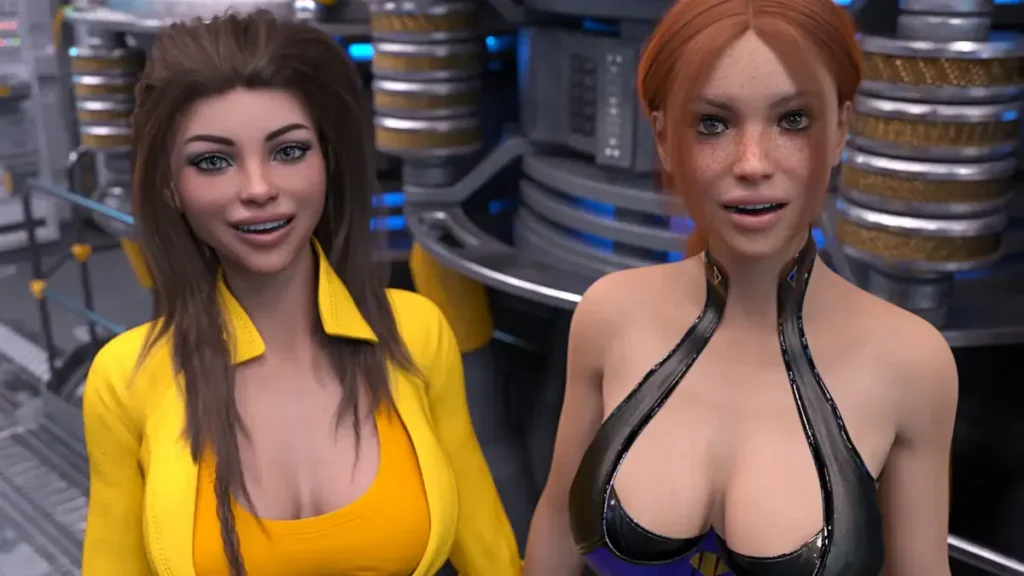

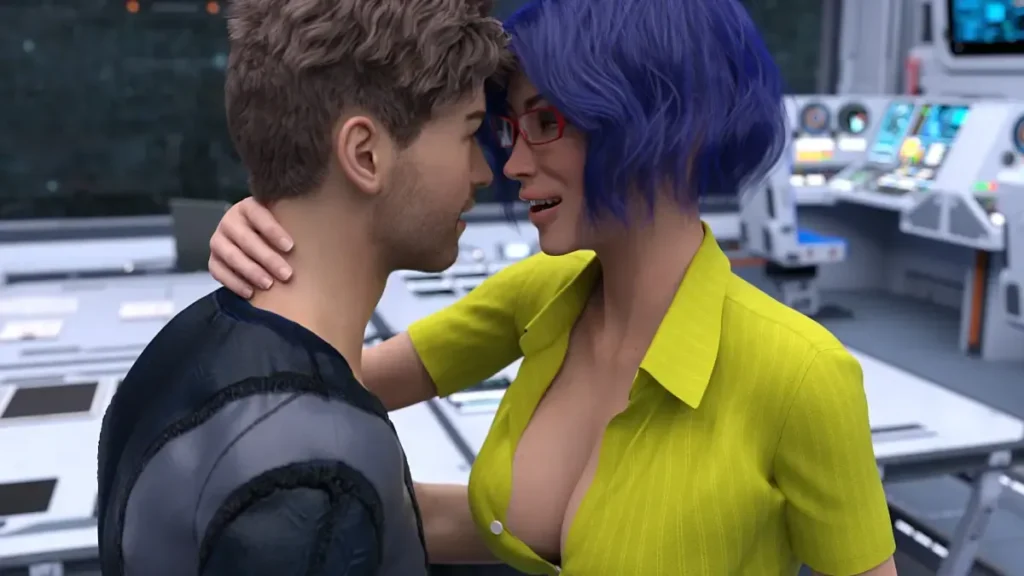


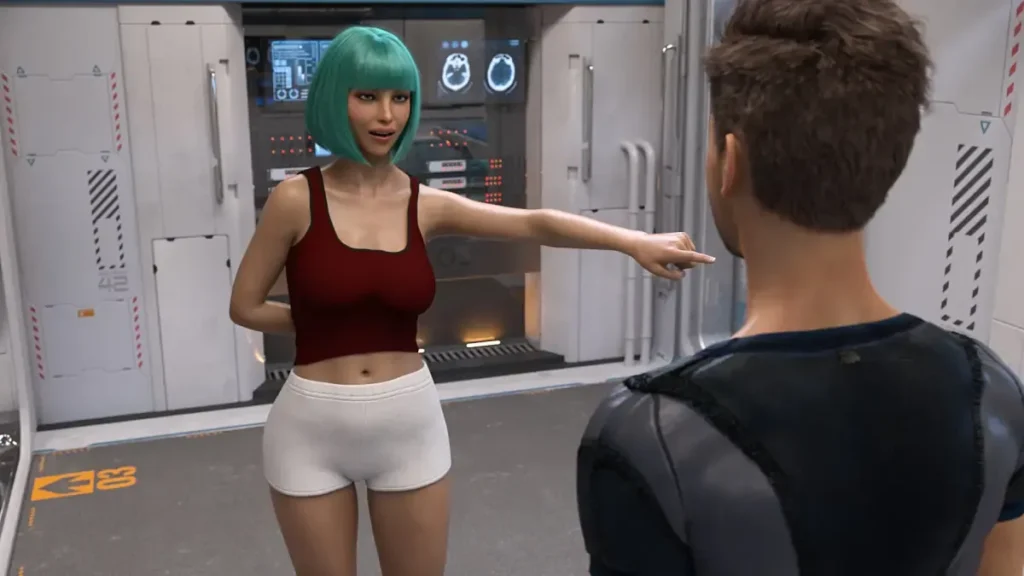

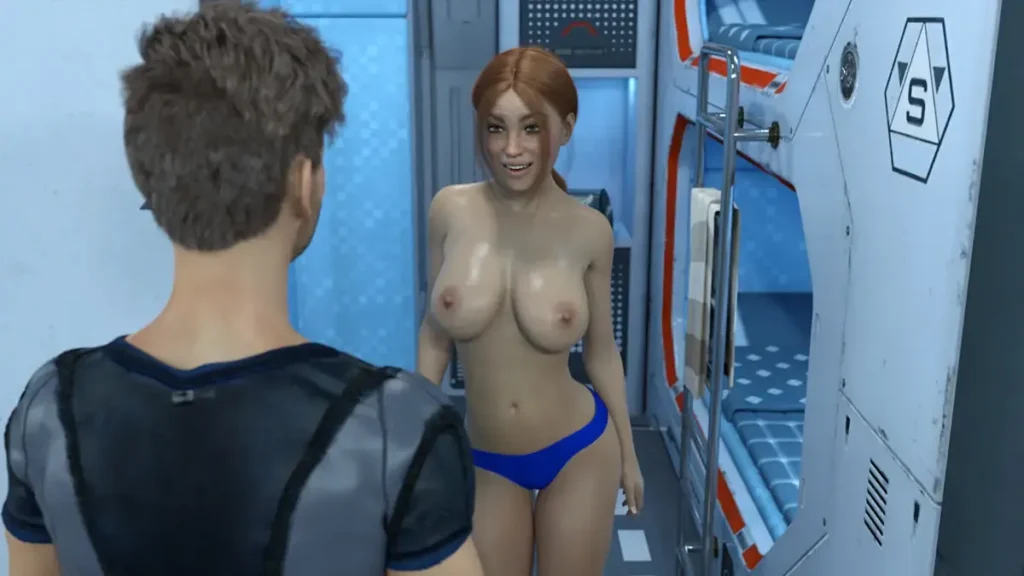

Stranded in Space review
Exploring gameplay mechanics, narrative depth, and character development in this space-based adventure
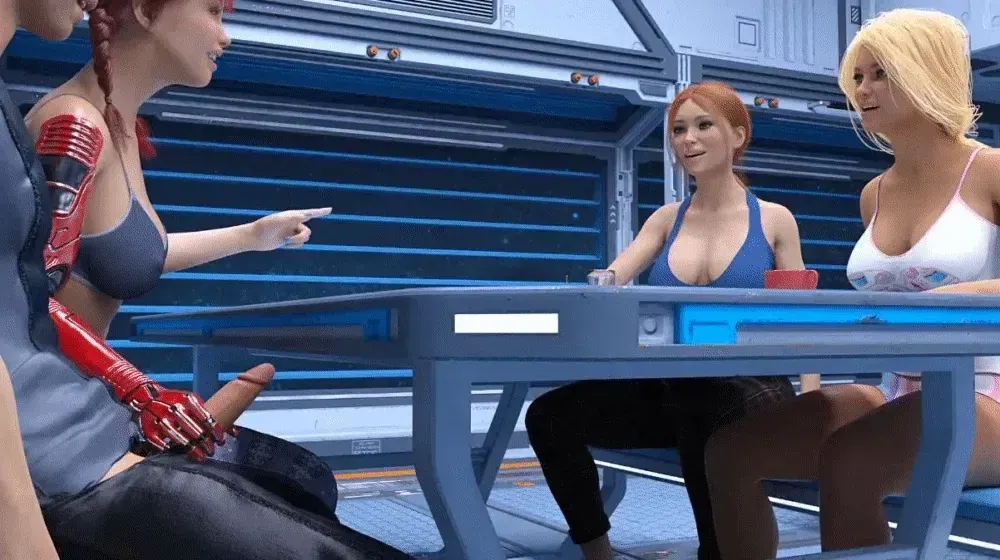
Stranded in Space stands out as an ambitious visual novel that combines science fiction storytelling with interactive decision-making. Developed by Wildman Dev, this game places players aboard the Endurance, an all-female spaceship bound for the sanctuary planet Elysium. With over 30 character options, branching narrative paths, and 40-45 hours of content, the game offers substantial replay value and meaningful choices that impact the story. Whether you’re drawn to complex character relationships, mystery-driven plots, or engaging mini-games, Stranded in Space delivers a rich experience that goes beyond typical visual novel conventions.
Understanding Stranded in Space: Core Gameplay and Features
Ever find yourself scrolling through your game library, feeling that familiar itch for a story that pulls you in and won’t let go? 🚀 I remember booting up Stranded in Space for the first time, expecting a neat little sci-fi tale. What I got was an entire universe in a bottle—a gripping, personal, and deeply interactive experience that redefined what I thought a visual novel could be. If you’re curious about what makes this game tick, you’ve come to the right place. Let’s blast off and break down the core Stranded in Space gameplay and features that make it a standout title.
What Makes Stranded in Space Unique in the Visual Novel Genre
The premise hits you immediately and doesn’t let go: you wake up with no memory aboard the Endurance, a massive colony ship lost in the void. You’re not supposed to be here. The ship’s destination is a mystery, and you’re surrounded by an all-female crew who each have their own secrets, agendas, and personalities. Right away, this sci-fi visual novel sets itself apart by blending classic mystery tropes with a deeply character-driven narrative. It’s not just about discovering where the ship is going; it’s about discovering who you are in relation to everyone else on board.
Many visual novels can feel passive, like you’re just clicking through a pretty slideshow. Not this one. Stranded in Space is built from the ground up as an interactive storytelling game. The setting isn’t just a backdrop; it’s a character itself. The claustrophobic yet vast interior of the Endurance, the eerie silence of space, and the underlying tension of a mission gone wrong create a palpable atmosphere. The writing expertly balances moments of quiet introspection with bursts of drama, humor, and even horror, ensuring you’re never quite comfortable. Players often praise the game’s tone, noting how it can swing from a lighthearted conversation in the mess hall to a heart-pounding crisis in the engineering bay without feeling jarring. This tonal mastery keeps you permanently engaged.
But the real secret sauce? It understands that in a story about being stranded, your relationships are your lifeline. Every interaction, every glance, every shared moment builds the world. This focus on connection over pure plot is what elevates its visual novel mechanics beyond the ordinary.
Game Mechanics: Decision Systems and Character Development
Now, let’s get into the nuts and bolts. How do you actually play Stranded in Space? If you think it’s just about picking dialogue options, prepare to have your mind blown. The game layers its systems to create a remarkably deep simulation of influence and consequence.
At the heart of everything are the branching narrative decisions. These aren’t just “Good Guy/Bad Guy” choices. They are nuanced, often morally gray, and always impactful. Choosing to side with one crew member in a dispute might earn you their unwavering loyalty while permanently damaging your standing with another. A decision made in Chapter 2 can ripple outwards, changing available dialogue, opening or closing story paths, and altering endings dozens of hours later. It makes every choice feel weighty and personal. I once spent ten minutes staring at the screen during a crucial argument, paralyzed because I genuinely cared about how both characters would react.
This complexity is managed through two brilliant systems:
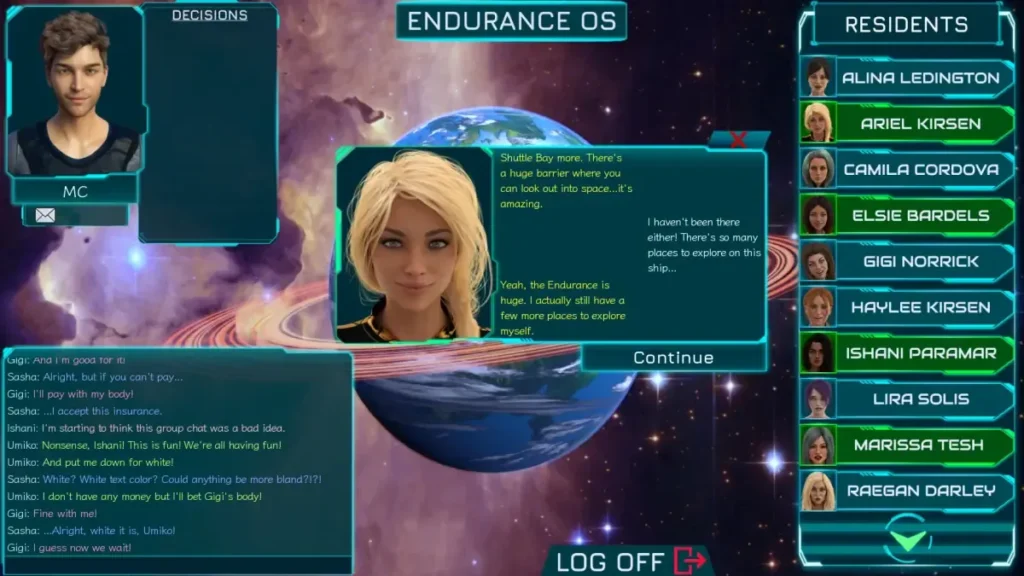
* The Laptop/PM System: Think of this as your “minor action” hub. Between major story beats, you can use your character’s laptop to send private messages, check crew bios, or review ship logs. Sending a supportive PM to a character after a tough day might quietly boost your relationship, opening up new conversation trees later. It’s a fantastic way to simulate the small, everyday interactions that build friendships.
* The Relationship & Development Matrix: This is where the character development system truly shines. Each main character has multiple relationship stats and personal traits that are invisible to you but constantly evolving based on your actions. The game doesn’t just track if “Aria likes you.” It tracks if she trusts you, if she finds you competent, or if she’s jealous of your bond with someone else. Your decisions feed into this hidden matrix, which then dictates how characters behave toward you in future scenes.
To give you a clear picture, here’s a breakdown of the key interactive layers:
- Core Dialogue Choices: Drive the main plot and major relationship shifts.
- Private Messages (PMs): Allow for subtle, ongoing character development.
- Mini-Games & Puzzles: Integrated seamlessly into the story, from hacking terminals to repairing ship systems. These aren’t filler; success or failure can affect the narrative.
- Exploration Sequences: Sometimes you can move between ship locations, uncovering hidden clues or triggering chance encounters.
This multi-tool approach to Stranded in Space gameplay means you’re constantly involved. You’re not just watching a story unfold; you’re actively assembling it piece by piece, relationship by relationship. It’s this rich tapestry of interactive storytelling game elements that makes replaying the game a must. You’ll constantly wonder, “What if I had said that instead?”
Content Volume and Playtime Expectations
Here’s where Stranded in Space transitions from being a great game to an incredible value. We’re talking about a narrative behemoth. A single, thorough playthrough from start to finish can easily span 40 to 45 hours. And that’s just following one major narrative branch! Given the profound impact of branching narrative decisions, to see everything the game has to offer would require multiple playthroughs, easily doubling or tripling that time.
What fills those hours? It’s not padding. It’s dense, meaningful content. The story unfolds across numerous in-game days, each packed with events, conversations, and optional interactions. The massive script allows characters to breathe and develop naturally. You’ll share meals, work on projects, deal with crises, and have quiet heart-to-hearts. This pacing makes you feel like you’re truly living on the Endurance, and the bonds you form feel earned.
Furthermore, the experience is beautifully consistent across platforms. Whether you’re at your desk or on the go, you can dive into this deep sci-fi visual novel.
| Platform | Availability | Key Features |
|---|---|---|
| Windows, macOS, Linux | Full native release | Complete visual & audio experience, save file compatibility |
| Android | Full native release | Optimized touch controls, offline play |
Finally, for those who finish the main journey and crave more, the optional Elysium Edition content is a must-have. It doesn’t just add cosmetic items; it integrates entire side stories and bonus chapters that explore the crew’s backstories and events outside the protagonist’s view. It deepens the world and provides closure for characters you’ve grown to love, effectively expanding an already massive game into an even more epic saga.
So, what’s the final verdict on Stranded in Space features? 🤔 This is a game that respects your time and intelligence. It offers a staggering amount of carefully crafted content, empowers you with meaningful choices, and wraps it all in a compelling sci-fi mystery. It proves that visual novel mechanics can support profound depth and player agency. If you’re looking for a story you can get lost in for weeks, a world that feels alive, and characters who will stay with you long after the credits roll, your next destination is clear. The Endurance is waiting.
Stranded in Space represents a substantial entry in the visual novel genre, offering players an expansive experience that combines engaging storytelling with meaningful interactive elements. The game’s impressive content volume, diverse character roster, and branching narrative system create numerous reasons for players to revisit and explore different story paths. With its blend of mystery, character development, and interactive decision-making across 40-45 hours of gameplay, Stranded in Space delivers depth beyond typical visual novel offerings. Whether you’re interested in exploring complex character relationships, uncovering the mysteries surrounding the Endurance, or experiencing how your choices shape the narrative, this game provides a rich and engaging experience. For those seeking a substantial sci-fi visual novel with meaningful choices and extensive content, Stranded in Space merits serious consideration.