
TableTop BornStar
Play TableTop BornStar
TableTop BornStar Screenshots

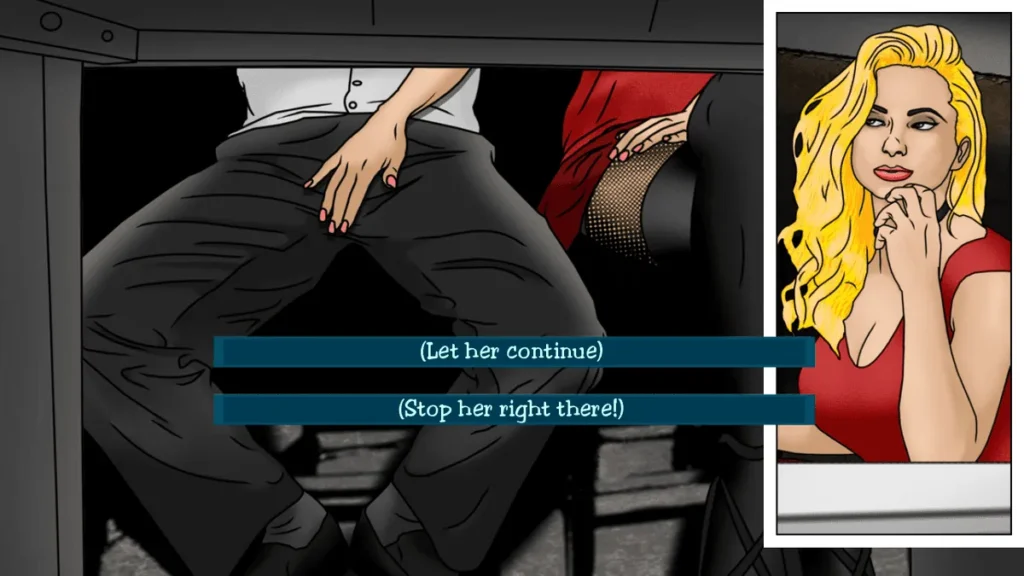

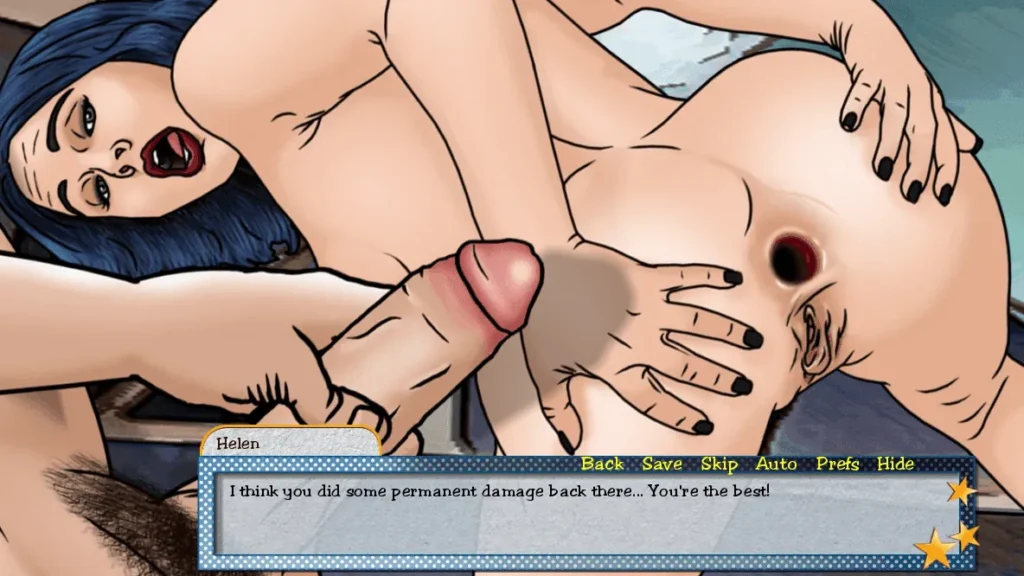


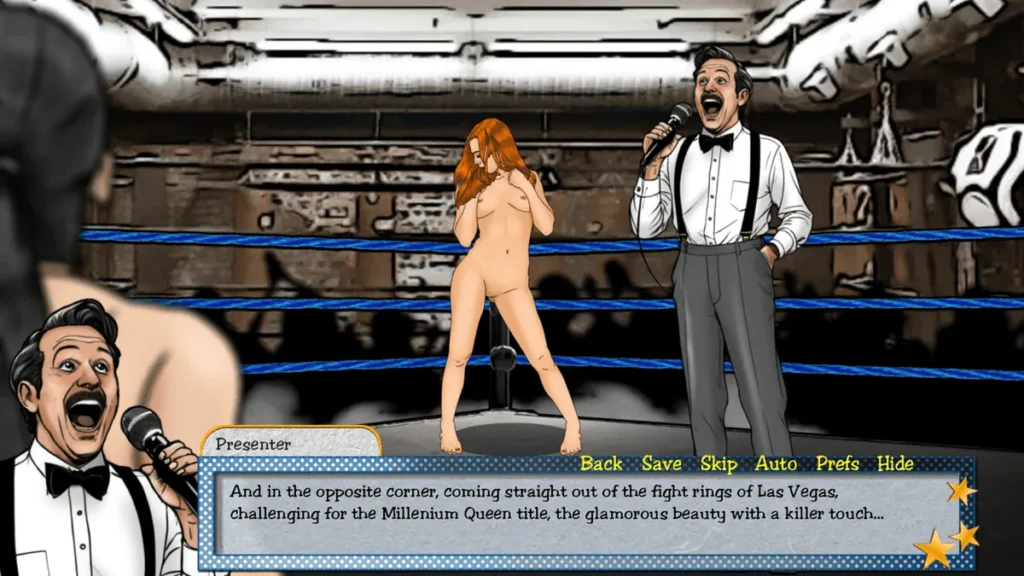

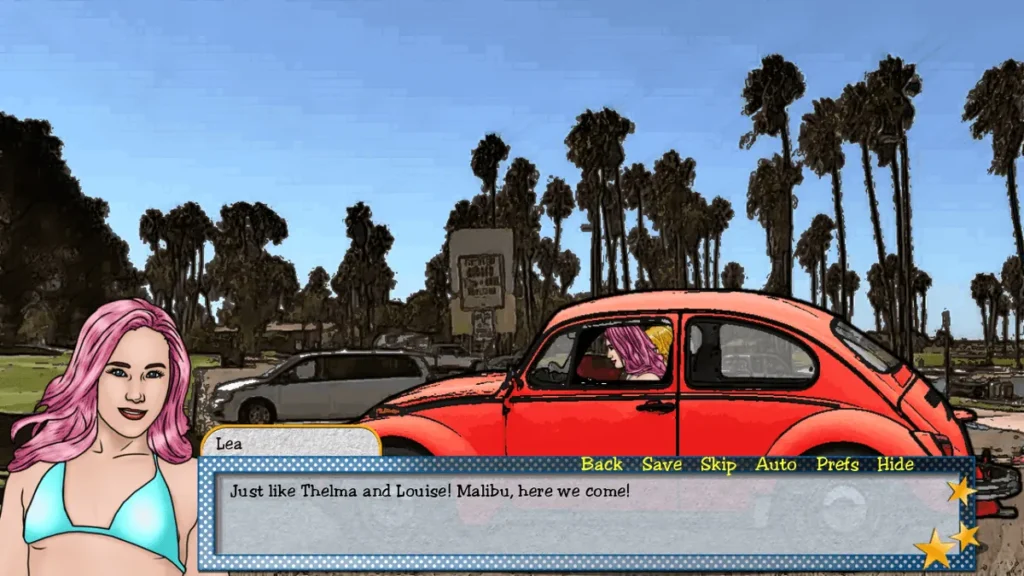
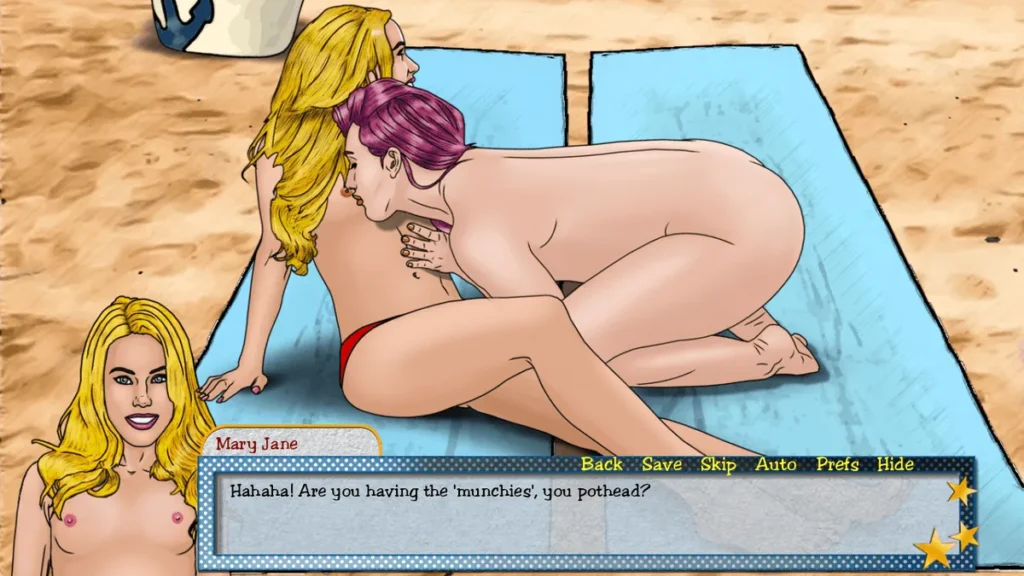
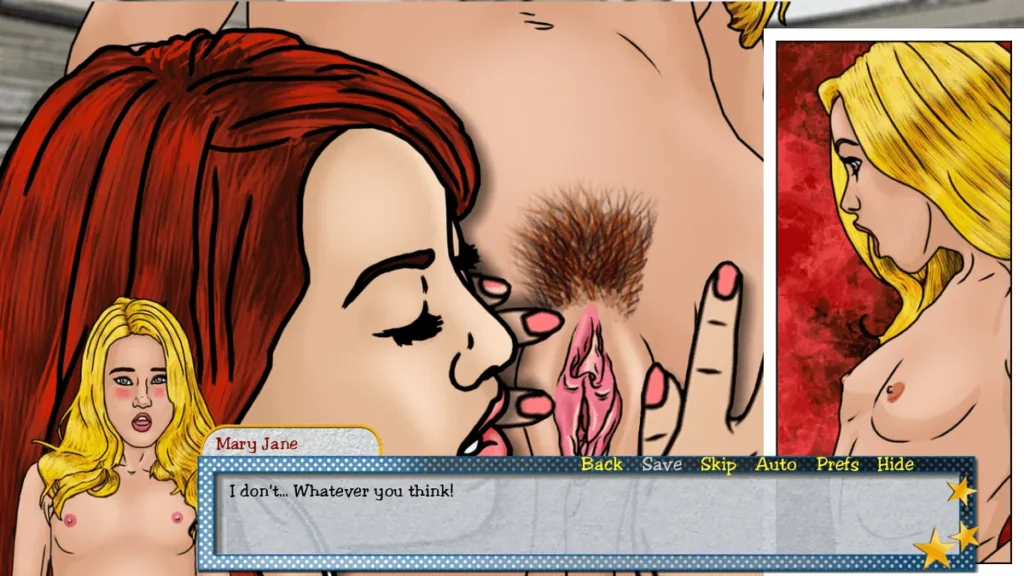

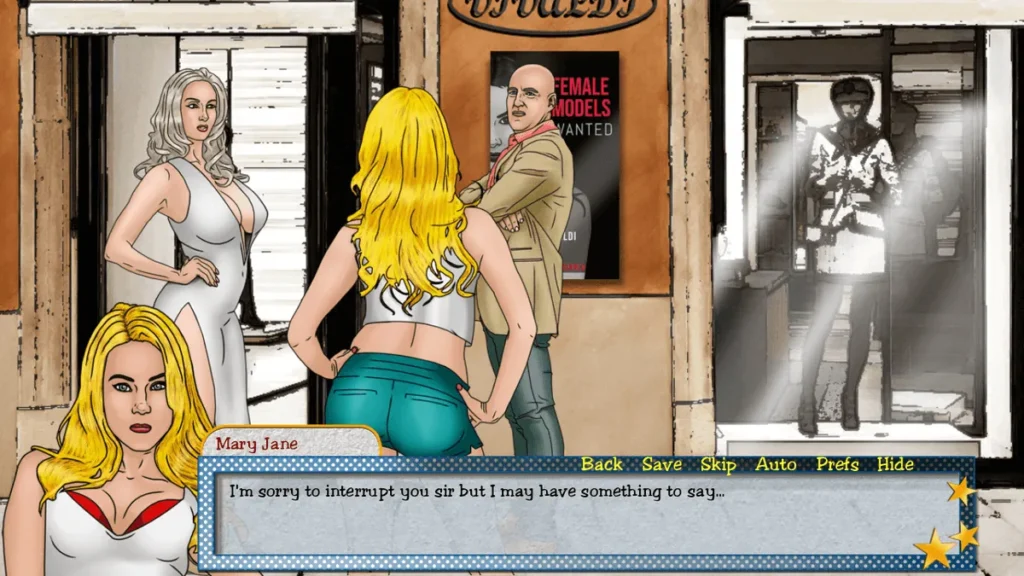
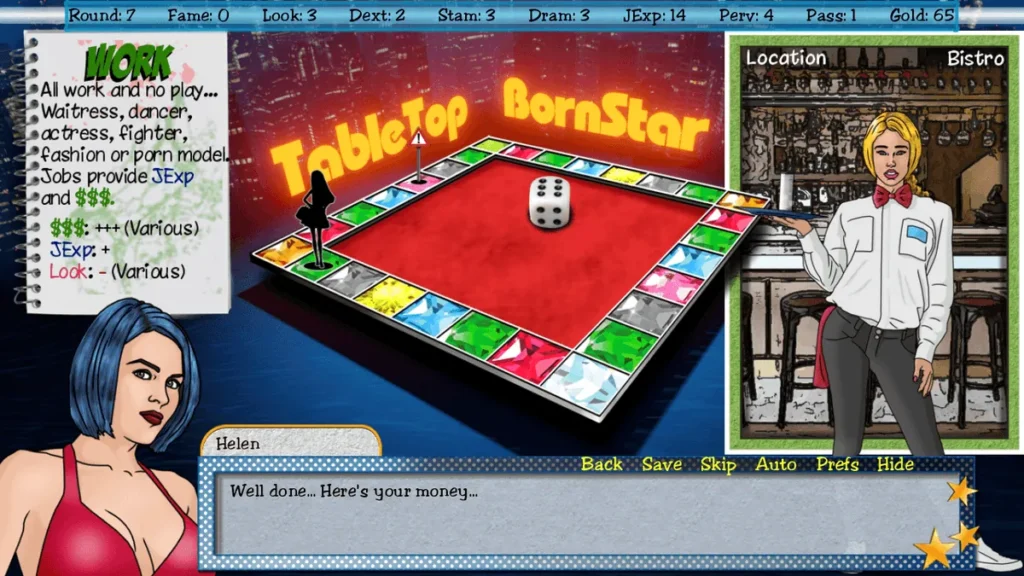

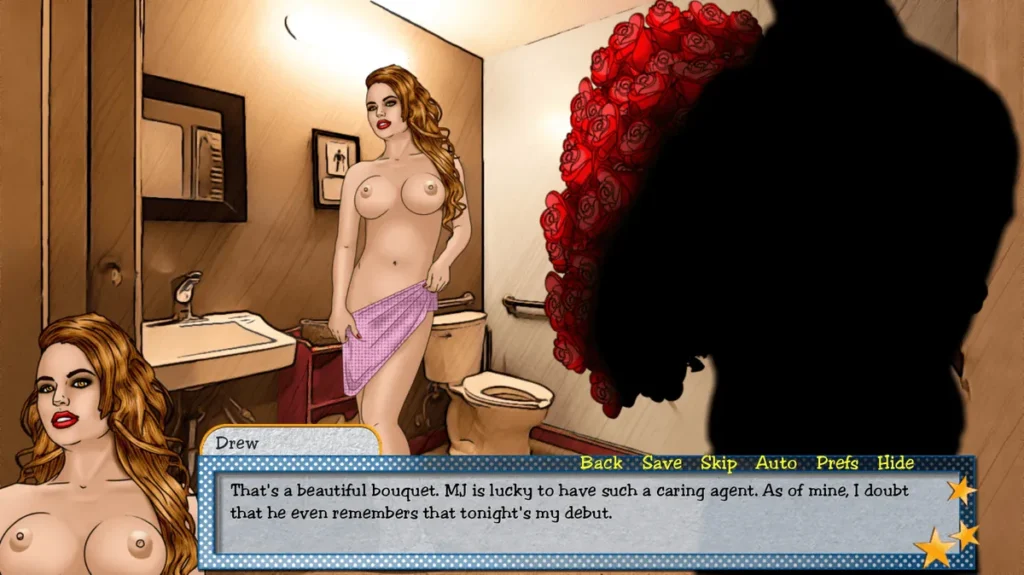


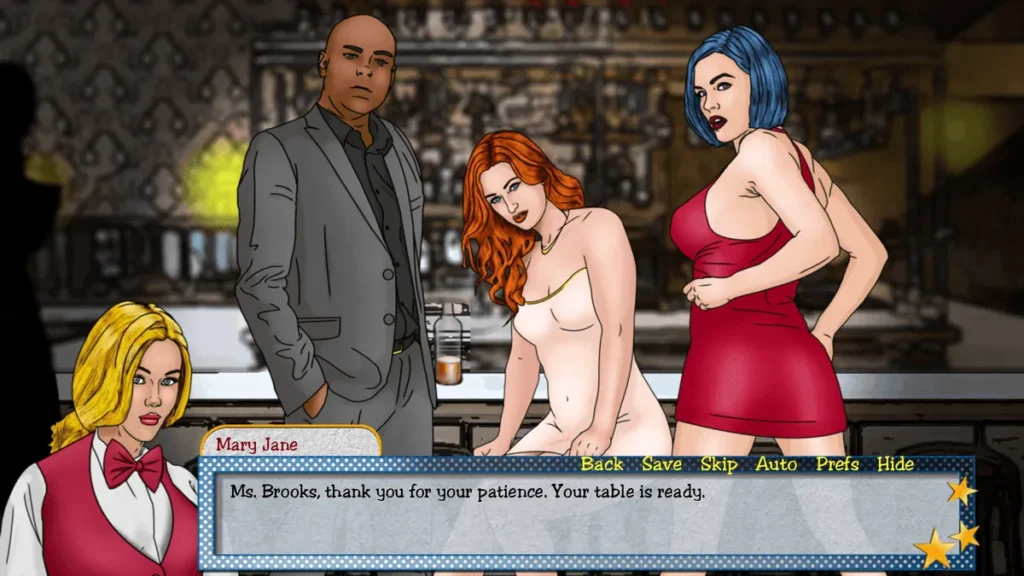



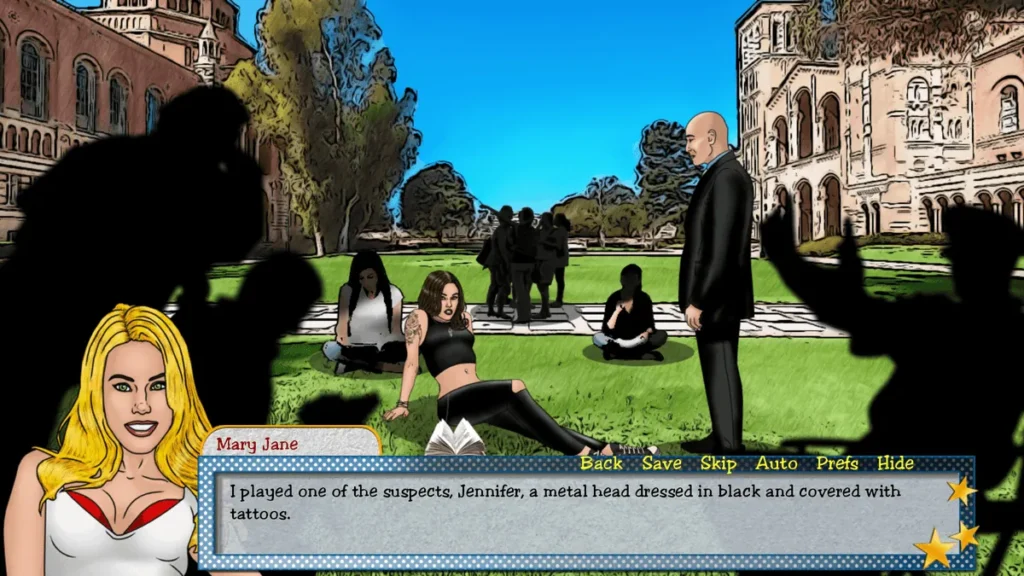
TableTop BornStar review
Dive into 1999 Showbiz Corruption with Cards and Choices
Imagine stepping into the shadowy underbelly of 1999 Hollywood as a washed-up talent agent under house arrest, guiding ambitious Mary Jane to stardom through dice rolls and card plays. TableTop BornStar blends tabletop mechanics with a gripping visual novel narrative, where every choice drips with moral tension and sensual intrigue. I’ve spent hours rolling dice in this game, watching corruption unfold or paths to genuine success emerge. This guide uncovers its unique gameplay, stunning visuals, and multiple endings that keep you coming back. Ready to navigate fame’s dark side?
What Makes TableTop BornStar Gameplay Unmissable?
Ever been completely fed up with games that play it safe? Where every choice feels like a pre-scripted movie you’ve seen a dozen times before? 😩 That’s exactly why I was so ready for something different. Then I found TableTop BornStar, and let me tell you, it’s not just another visual novel. It’s a raw, strategic dive into the grimy underbelly of fame, where your luck and your morals are constantly on trial. At its heart, the TableTop BornStar gameplay is a brilliant, tense hybrid. You’re not just clicking through dialogue; you’re managing resources, sweating over dice rolls, and playing a very dangerous hand of cards, all from the confines of a talent agent under house arrest. It’s this perfect storm of mechanics and narrative that makes every session unmissable.
Set against the iconic, pre-millennium tension of the Hollywood 1999 setting, the game feels both nostalgic and sharply relevant. You can almost smell the stale cigarettes and expensive perfume. This isn’t the polished Hollywood of today; it’s the wild west of cell phones and shady deals, and you’re right in the thick of it, making decisions that will either build a star or break a soul.
How Dice and Cards Drive Hollywood Decisions
So, how does it all work? Imagine the nerves of a high-stakes poker game blended with the branching story of a classic choose-your-own-adventure book. That’s the core of the dice and cards mechanics in TableTop BornStar. 🎲🃏
Your two main tools are a classic six-sided die and a unique deck of “Opportunity” cards. Every significant moment in the story—convincing a director, schmoozing at a party, negotiating a contract—is resolved through this system. You don’t just choose to seduce a producer for a role; you must first play a “Leverage” card from your hand and then roll the die to see how well your attempt plays out. A high roll might mean you secure the role and gain a powerful ally. A low roll? You might get the role but acquire a dangerous enemy who spreads vicious rumors.
The dice and cards mechanics create an incredible sense of agency mixed with delicious unpredictability. You can have the perfect card for a situation, but a botched roll introduces a fantastic, often disastrous, twist. I remember one playthrough where Mary Jane had a chance to perform at a legendary club. I played my best “Raw Talent” card, feeling confident. I needed a 4 or higher on the die to nail the performance. I rolled a 2. 🙈 Instead of a triumph, the story branched into a humiliating viral moment… which, paradoxically, led to a different kind of notoriety that we were able to spin into a lucrative reality TV offer later! That single, failed roll completely rerouted our path to stardom, proving that in TableTop BornStar gameplay, failure is often more interesting than easy success.
This system means you’re always thinking strategically. Do you use your powerful “Studio Connection” card now on a medium-risk opportunity, or save it for a crucial moment later when the stakes are life-or-death for her career? The blend of visual novel choices with tangible, luck-based mechanics makes every decision weigh a ton.
Mary Jane’s Journey: Agent Choices That Shape Fate
This is where the TableTop BornStar gameplay gets its heart and its teeth. You play as the agent, and your client is Mary Jane, a wide-eyed talent fresh off the bus from the country. Your goal? Make her a star. Your methods? That’s entirely up to you. This is the essence of the Mary Jane corruption path—it’s not a single “corrupt” button you press, but a slow, chilling series of compromises.
Will you encourage her to stay true to her artistic, folksy roots, booking small, honest gigs that build a genuine fanbase? Or will you see her innocence as a commodity to be packaged and sold, steering her toward sleazy photoshoots, whispered favors, and morally bankrupt deals for instant fame? The game brilliantly frames this through your card plays. Choosing a “Moral Support” card leads to one conversation, while selecting a “Exploit Image” card leads to another, often with the same character. You are literally choosing the lens through which Mary Jane sees the world.
The power dynamic is intoxicating and horrifying. From your fancy house arrest anklet (a constant reminder of your own past sins), you pull the strings. One of the most gripping parts of the TableTop BornStar experience is watching Mary Jane’s character model and dialogue subtly change based on your guidance. Her outfits become more revealing or more sophisticated. Her smile becomes more genuine or more practiced. The visual novel choices you make, backed by your dice and cards, directly sculpt her persona.
To show how deep this goes, let’s look at how early choices can ripple through the entire game:
| Choice Point | Dice Impact | Story Branch | Replay Tip |
|---|---|---|---|
| Encourage Mary Jane to accept a “private audition” with a known sleazebag producer. | Roll adds a modifier. Success gives a “Blackmail” card. Failure risks losing “Innocence” card. | Unlocks fast-track fame paths but starts the Mary Jane corruption path. Locks out wholesome industry contacts. | Save your “Intuition” card here! It can warn you of the danger without shutting the door completely. |
| Advise her to walk away and focus on her songwriting at a local dive bar. | Roll determines crowd reaction. Success builds a “Loyal Fanbase” resource. Failure tests her resolve. | Slower, harder road. Opens connections to indie directors and authentic artist storylines. | A low roll here isn’t the end. It builds character depth and can lead to a powerful “Breakthrough” card later. |
| Use insider knowledge to smear a rival rising star. | High roll spreads gossip effectively. Low roll backfires, damaging Mary Jane’s reputation. | Teaches Mary Jane cutthroat industry tactics. May give you a powerful, amoral ally in the press. | Pair this with a “Media Manipulation” card for a huge bonus. This is a point of no return for a truly dark playthrough. |
The game never judges you overtly. It simply presents the consequences, which makes navigating the Mary Jane corruption path feel all the more real and unsettling. You’re not a villain in a castle; you’re a person in a home office, making one shady call at a time, believing it’s “for her own good.”
Why Multiple Endings Boost Replay Value
This is the crowning glory of the TableTop BornStar gameplay loop. With so many interlocking systems—dice luck, card deck composition, and narrative choices—it’s virtually impossible to see everything in one go. The promise of multiple endings TableTop BornStar delivers isn’t just a gimmick; it’s the core reason you’ll start a new game the minute your first one finishes.
We’re not talking about “Good, Bad, and Neutral” here. We’re talking about nuanced, devastating, and triumphant conclusions that feel earned. 🏆✨ Does Mary Jane become a hollow, cocaine-fueled A-lister who despises you? A respected, Oscar-winning artist who thanks you in her speech? A burned-out nobody who returns home, her spirit broken? A powerful studio head who now employs you? A tabloid fixture perpetually in and out of rehab? Each ending is a direct reflection of the specific combination of cards you favored and the risks you took (or didn’t take) with the dice.
In my first playthrough, I aimed for a “pure” success. I avoided the overtly corrupt options, played it relatively safe. We ended up with a “B-List Beloved” ending—Mary Jane had a steady career on a cable drama, was happy and healthy, but never reached the dazzling heights. It was sweet… but I was curious about the darkness. On my next run, I embraced the Mary Jane corruption path hard, using every dirty trick in the deck. We achieved the “Platinum Poison” ending: she was the biggest star on the planet, utterly miserable, and I was her despised but indispensable manager, trapped in a gilded cage of our own making. The contrast was chilling and brilliant.
This is why the multiple endings TableTop BornStar offers are so powerful. They validate your unique playstyle. No two players will have identical decks or identical rolls, meaning your story is truly your own. The stunning graphics and mature, sometimes sensual, scenes aren’t just for show—they adapt to these endings, providing a final, impactful visual reward for the journey you crafted.
So, how do you steer toward the ending you want? It’s about mastering the tools of this corrupt trade. Here are my top pro tips for dominating the TableTop BornStar gameplay:
- Balance Your Deck Early On. Don’t just hoard the powerful “Corrupt” cards. A deck with a mix of “Skill,” “Network,” and “Moral” cards gives you flexibility to handle any story curveball the Hollywood 1999 setting throws at you.
- Know When to Hold ‘Em. That incredibly powerful “Sell Out” card might guarantee a movie role, but using it on the first mediocre script that comes along is a waste. Save your ace cards for critical, game-changing moments that align with your desired ending.
- Embrace the Low Roll. A failed die roll isn’t a “game over” screen. It’s a new story branch. Some of the most memorable, character-defining moments come from catastrophic failure. Let it happen and see where the drama takes you!
- Your House Arrest is a Tool. The talent agent house arrest premise isn’t just flavor. Use it. Roleplay the frustration of being trapped, which can justify taking bigger, riskier remote chances with Mary Jane’s career that a free agent wouldn’t dare.
- Talk to Everyone, Twice. The visual novel choices often expand after a key dice roll or card play. Revisiting characters with new Intel or Status cards can unlock hidden scenes and alternative paths you’d never see otherwise.
Ultimately, what makes TableTop BornStar feel so fresh is its fearless commitment to its hybrid identity. It doesn’t want to be just a board game or just a visual novel. It uses the tactile tension of dice and cards mechanics to inject real uncertainty into a narrative about the most uncertain business of all. It lets you truly feel the weight of being the architect of a destiny, for better or worse. So, roll the dice, play your hand, and step into the director’s chair of a story where fame has the highest price tag of all.
TableTop BornStar masterfully weaves tabletop thrills with Hollywood’s seductive corruption, letting you roll the dice on Mary Jane’s destiny as her housebound agent. From tense card plays to branching paths of fame or downfall, my own playthroughs revealed endless depth in its visuals, characters, and choices. Whether you chase sensual twists or heartfelt triumphs, this game’s replayability shines. Grab the latest version, fire up your device, and dive into 1999 showbiz—your next roll could change everything. What’s your first big decision going to be?