
Tales of Unity
Play Tales of Unity
Tales of Unity Screenshots
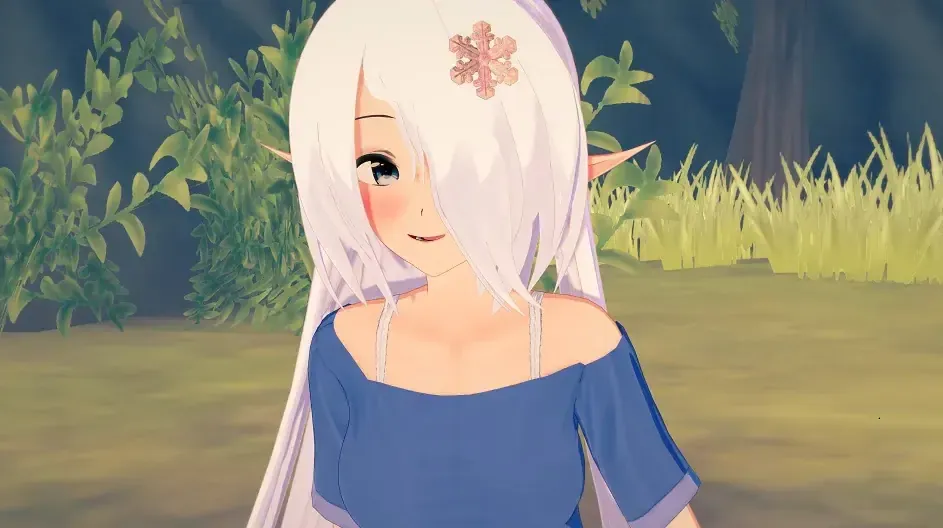
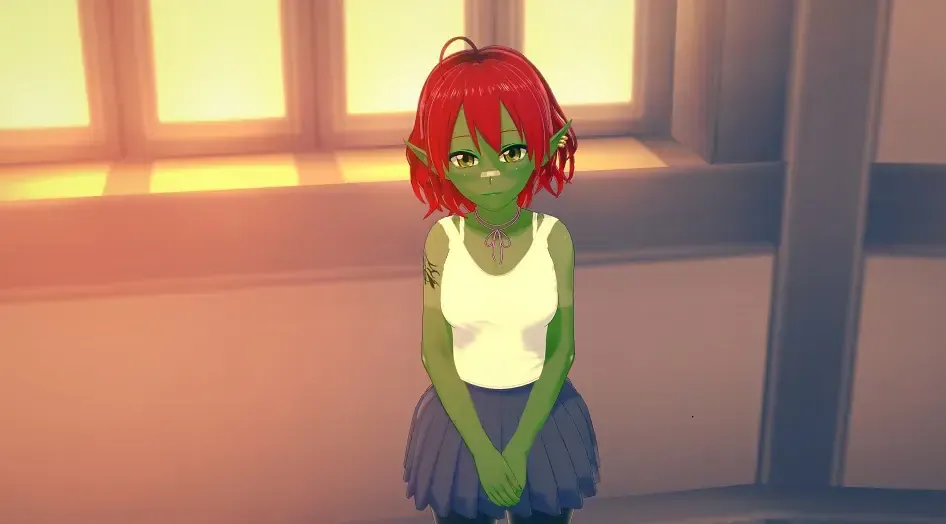

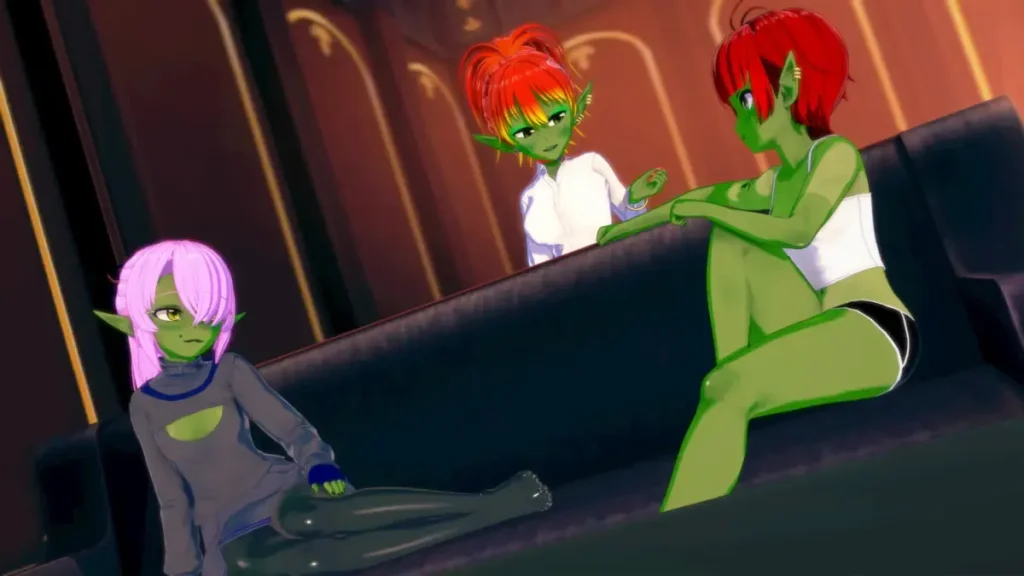
Tales of Unity review
Exploring the Storytelling, Gameplay, and Unique Features of Tales of Unity
Tales of Unity is a captivating interactive experience that blends immersive storytelling with engaging gameplay. Known for its rich narrative and character development, this game offers players a unique journey that goes beyond typical gameplay expectations. In this article, we will explore the core elements of Tales of Unity, including its story, gameplay mechanics, and the features that make it a standout title for fans of narrative-driven games.
Exploring the Story and Characters of Tales of Unity
Let’s be honest—we’ve all played games where the story feels like an afterthought, a flimsy excuse to get from one combat arena to the next. You mash buttons, collect loot, and maybe feel a flicker of interest when a cutscene plays. But what if a game made you care? What if your decisions truly echoed through the world and the lives of the people in it? That’s the magic trick Tales of Unity pulls off with astonishing grace. At its heart, this isn’t just a game you play; it’s a world you inhabit and a narrative you help shape.
The genius of the Tales of Unity story is that it understands a fundamental truth: the most compelling tales are personal. It crafts a grand, epic saga about mending a fractured realm, but it grounds that colossal premise in the intimate, often heartbreaking, stories of the individuals fighting for it. This chapter is your guide into that rich tapestry. We’ll explore what makes its narrative so gripping, meet the unforgettable Tales of Unity characters who bring it to life, and see how its approach to narrative-driven gameplay creates an experience that stays with you long after you’ve put the controller down.
What Makes the Storyline Engaging?
Forget about being the “Chosen One” destined to save the world because a prophecy said so. ✨ The Tales of Unity story begins with a far more relatable concept: consequence. The kingdom of Aethel was shattered not by a dark lord, but by a desperate, magical attempt to end a previous war—a “solution” that backfired catastrophically, creating the chaotic “Sunderlands.” You play as someone whose life was irrevocably changed by that moment, not a hero, but a survivor.
From this intimate starting point, the plot unfolds like a beautifully woven tapestry. The central theme is right there in the title: Unity. But this isn’t a naive call for everyone to hold hands. The game deeply explores what unity costs. Is it worth compromising your principles? Can you ally with a former enemy for a greater good? Do the needs of the many truly outweigh the needs of the few? The narrative forces you to confront these questions not in abstract moral puzzles, but through tangible, emotional dilemmas with characters you’ve grown to love or loathe.
What truly elevates it is the masterful interactive storytelling game design. The plot isn’t a railroad; it’s a web. Your choices in dialogue, your actions during key events, and even how you choose to explore the world send subtle ripples through the narrative. Early on, I decided to show mercy to a stranded scout from a hostile faction. Hours later, that scout intervened to stop an ambush, giving me a crucial advantage. It wasn’t a flagged “major decision,” but it made my version of the story feel uniquely mine. This responsive world-building is what transforms a great immersive game story into a living, breathing one. You’re not watching a story about reconciliation—you are actively, and sometimes messily, conducting it.
Key Characters and Their Roles
If the plot is the skeleton, the characters are the heart, soul, and nervous system of Tales of Unity. This isn’t an ensemble of sidekicks; it’s a found family of complex individuals, each carrying the scars of the Sundering and their own definitions of “unity.” The game character development is some of the most nuanced I’ve ever experienced, with personal arcs that intertwine with the main plot in breathtaking ways.
Let me introduce you to the core group you’ll journey with. Their dynamics—the clashing ideologies, the slow-building trust, the shared grief—are where the story truly sings.
| Character | Background & Role | Significance to the Narrative |
|---|---|---|
| Kaelen | A former Archivist from the capital whose faith in institutions was destroyed by the Sundering. He is your guide to the world’s history and magic. | Represents the conflict between knowledge and action, and the burden of understanding the past’s mistakes. His personal quest for truth often challenges the group’s immediate goals. |
| Elara | A warrior from the nomadic Plainsfolk, who views the old kingdom’s central authority with deep distrust. She is the group’s protector and moral compass. | Embodies the theme of self-determination vs. collective security. Her journey asks whether old wounds can heal enough to build something new, and her loyalty is hard-won but unshakeable. |
| Rhin | A tinkerer from the Sunderlands, scavenging and inventing to survive in the broken landscape. Provides tech support and a dose of cynical humor. | Symbolizes resilience and adaptation. His practicality often clashes with ideological debates, reminding everyone that unity must work for the people on the ground, not just in theory. |
| Lyra | A mysterious figure with fragmented memories, connected to the magical catastrophe itself. She is a source of great power and greater danger. | Serves as the living consequence of the past. Her path to self-discovery forces the party to confront what was truly lost and what responsibilities they have to those who were sacrificed. |
Example: Player anecdote illustrating emotional connection to a key character
I need to talk about Elara for a moment. 🛡️ Early on, during a tense negotiation with a rigid city commander, my instinct was to be diplomatic and agree to his harsh terms for the “greater good.” Elara objected in-character, arguing it would betray the refugees we were sworn to protect. The game gave me a choice: override her or support her. I chose to back her, which led to us being exiled from the city. I was frustrated with her in that moment! But that night at camp, she shared a quiet story about watching her own clan bow to unfair demands, which led to their dissolution. It wasn’t a cutscene I triggered; it was a direct result of my choice. In that moment, she stopped being a “party member” and became a person with a history I had finally respected. This level of reactive game character development creates a profound bond that typical companion quests simply can’t match.
How Storytelling Enhances Player Experience
So, how does Tales of Unity weave all of this—the grand plot, the deep characters, your choices—into something that genuinely enhances player engagement Tales of Unity? It does so by making the storytelling the core gameplay loop. This is the hallmark of brilliant narrative-driven gameplay.
First, it uses environmental storytelling relentlessly. The Sunderlands aren’t just a pretty backdrop; they’re a tragic record. You’ll find a broken child’s toy on a crumbling balcony, or faded murals in a cave that was once someone’s home. You piece together the history of the world not through info-dumps, but through these silent, poignant discoveries. The world itself is a character, and exploring it feels like an act of remembrance. 🌄
Second, the game employs a “Dialogue Influence” system that goes far beyond simple Paragon/Renegade meters. Your relationships with Kaelen, Elara, Rhin, and Lyra shift dynamically based on hundreds of micro-interactions. Supporting Rhin’s risky invention might boost his confidence but make Elara question your judgment. This creates a constant, engaging tug-of-war where building true unity within your own team is the first and most important challenge. Their feedback on your decisions, their inter-party conversations at camp, and even their combat banter change based on these evolving dynamics.
Pro Tip: Don’t rush through the campfire rest scenes. This is where the most revealing character moments happen organically. It’s where you learn what your choices truly mean to them.
Finally, the game understands pacing. It balances intense, choice-driven narrative chapters with periods of quiet exploration and character interaction. This rhythm prevents “cutscene fatigue” and makes the big story beats land with more impact because you’ve had time to breathe and reflect. You’re never a passive viewer; you are always either acting, reacting, or dealing with the consequences of your actions. This loop is what makes it a premier interactive storytelling game.
The ultimate result is a sense of ownership and emotional investment that is rare. When you finally reach a major story climax in Tales of Unity, you aren’t just watching the finale of a story. You are witnessing the culmination of your story—the alliances you built, the trusts you broke, the values you chose to prioritize. The Tales of Unity story and its unforgettable Tales of Unity characters become a part of your own gaming history, not because of a stunning plot twist, but because you lived it, one meaningful choice at a time.
Tales of Unity offers a rich and immersive experience that combines strong storytelling with engaging gameplay elements. Its well-crafted characters and thoughtful narrative design create a memorable journey for players seeking more than just entertainment. Whether you are drawn by the story or the interactive elements, Tales of Unity stands out as a compelling title worth exploring. Dive into the game to experience its unique blend of narrative and gameplay firsthand.