
Play Treasure of Nadia
Treasure of Nadia Screenshots


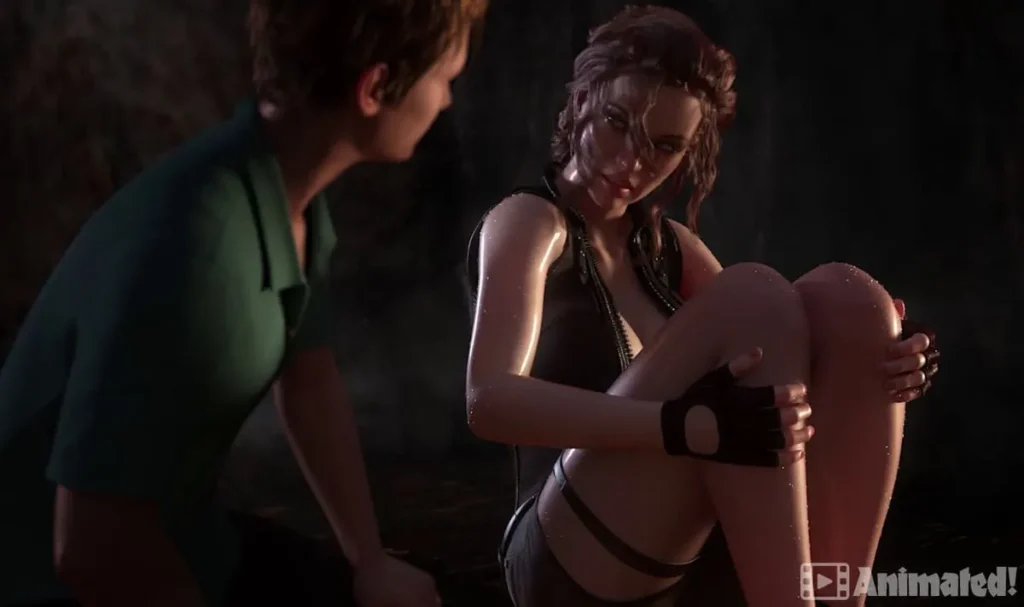

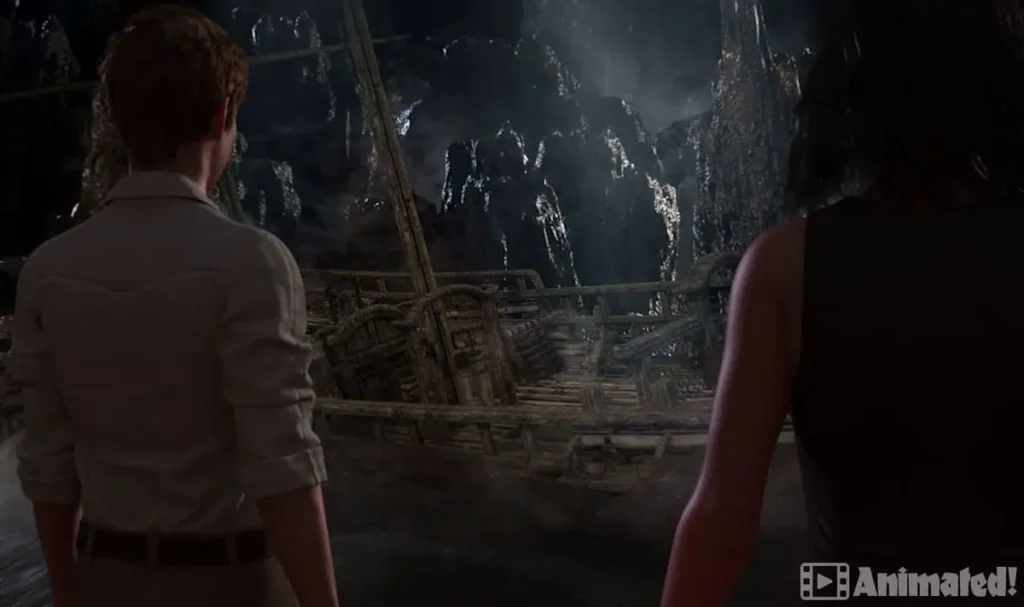

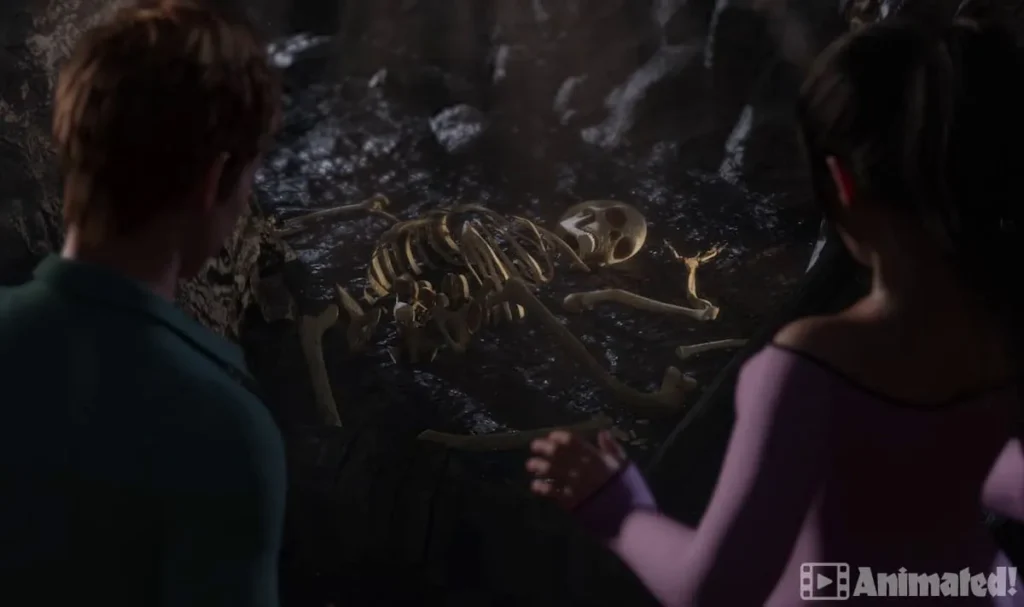


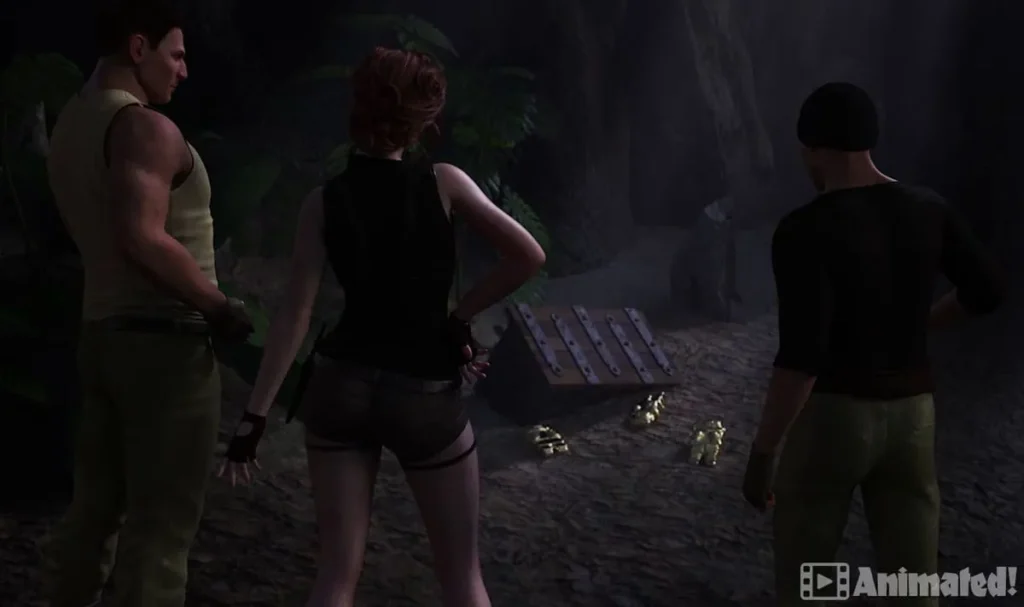








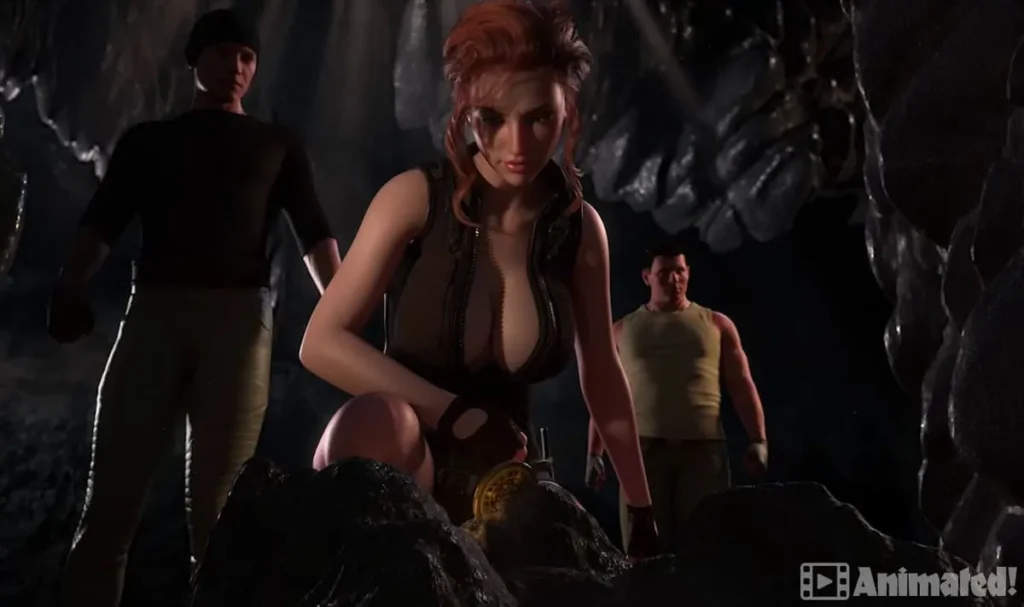
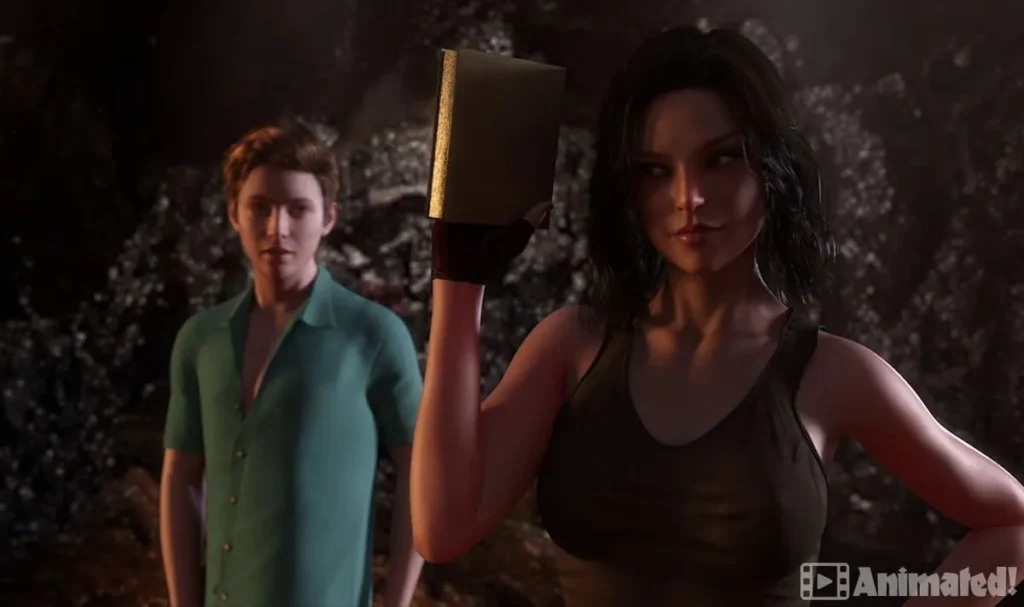
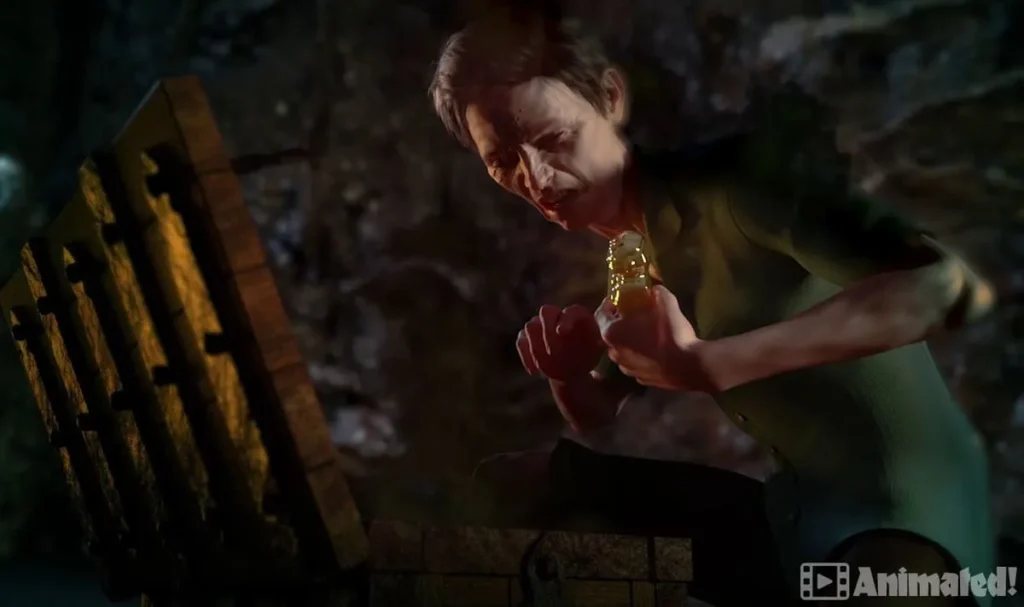





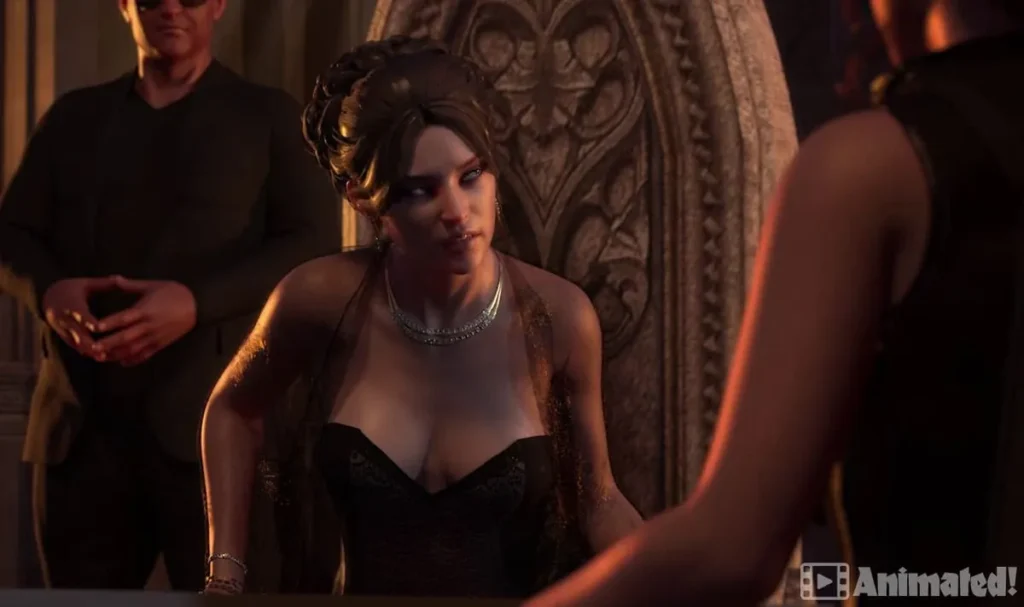

















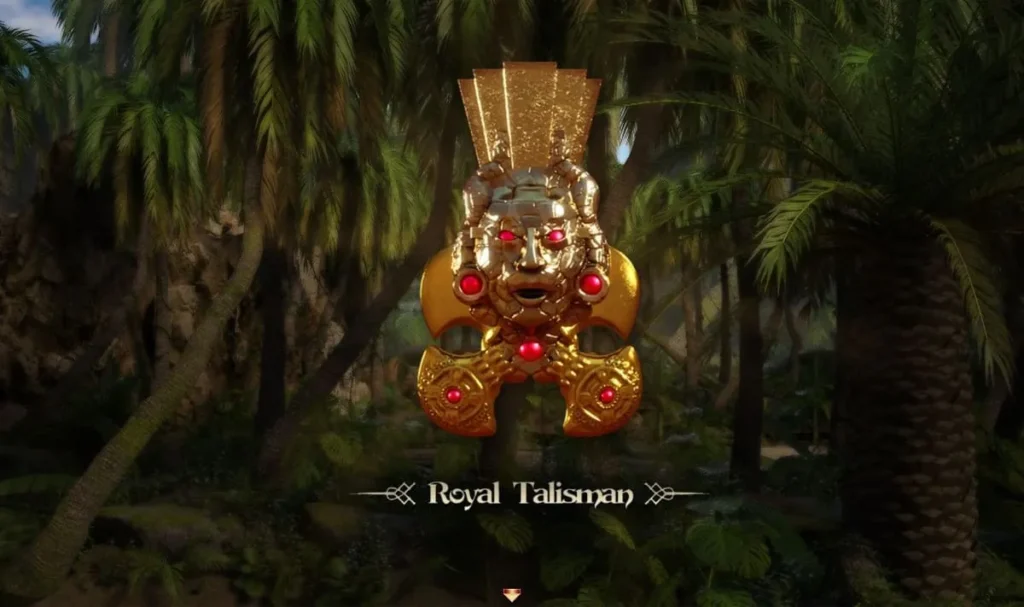
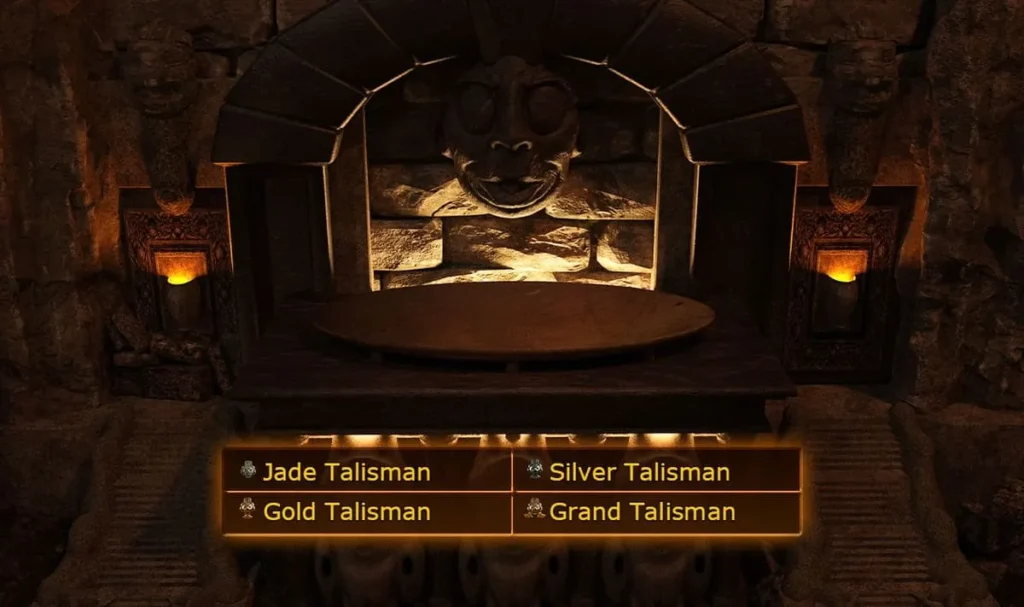
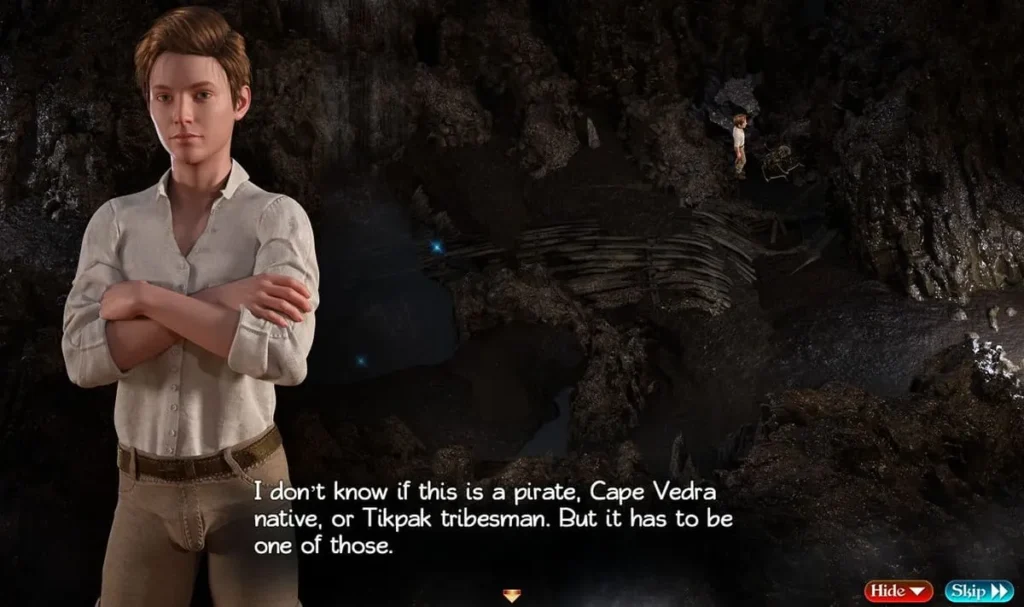
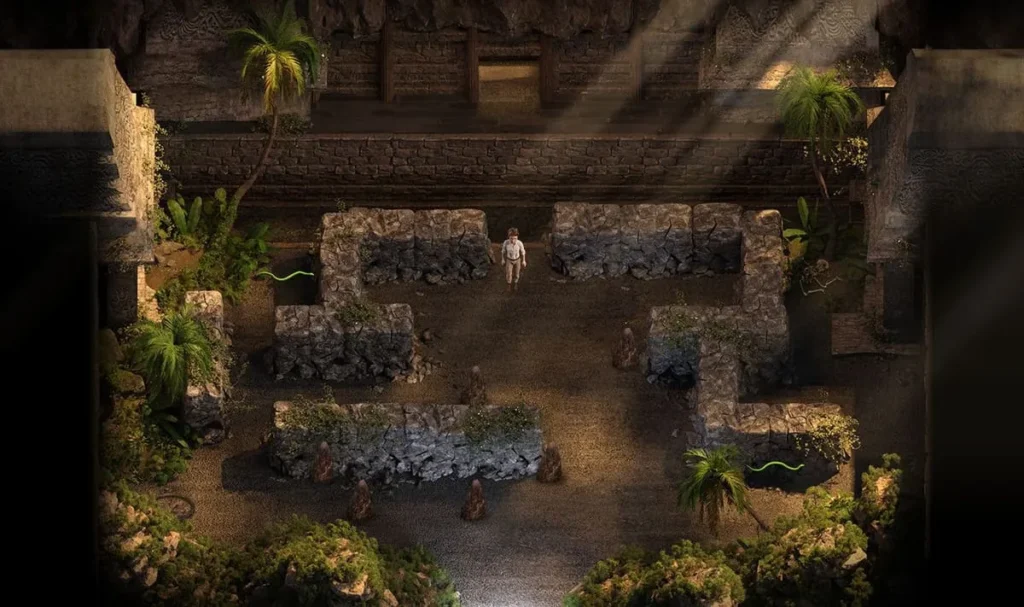
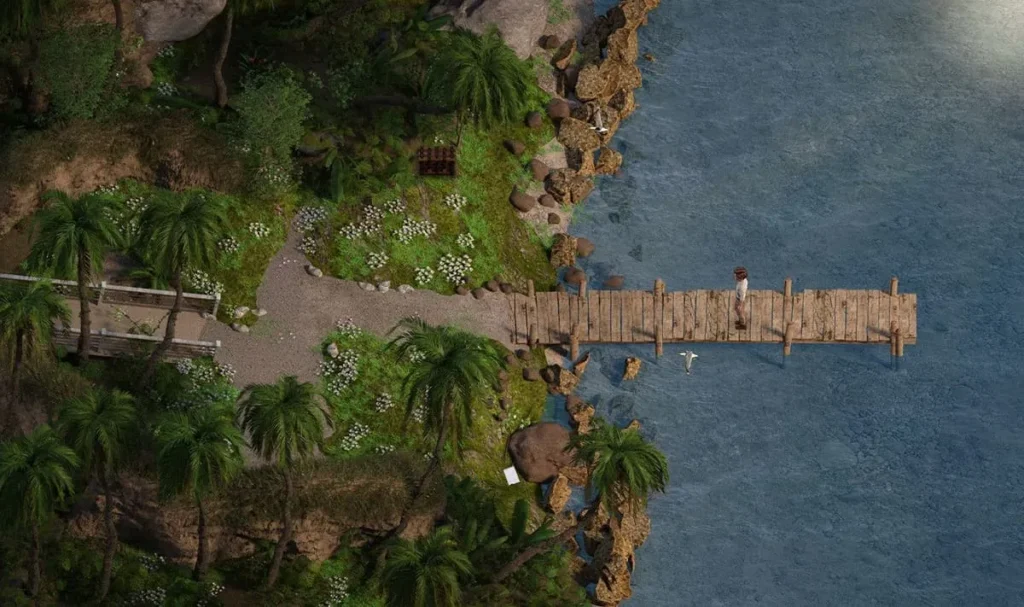
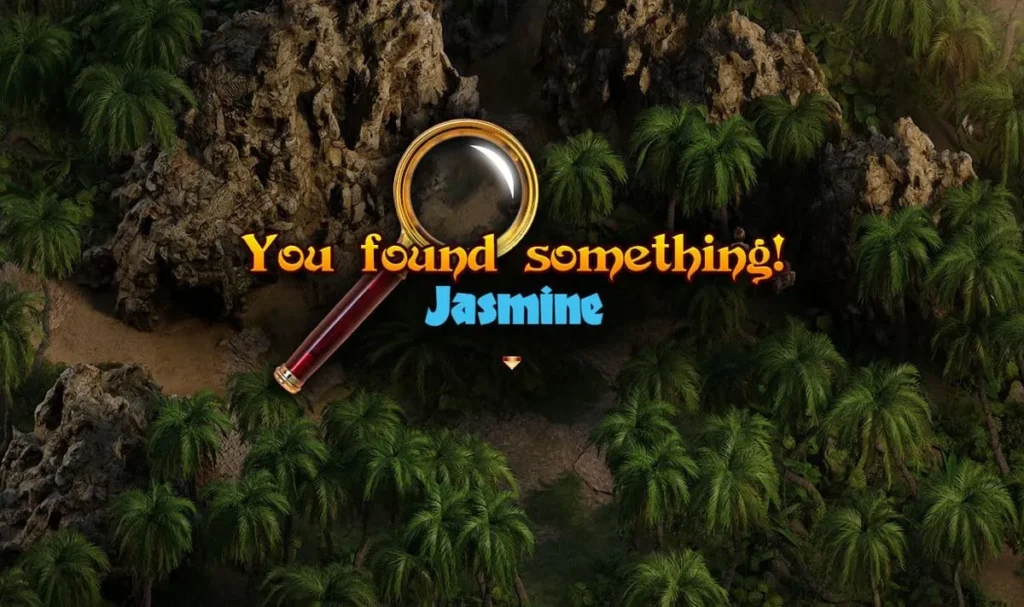


Treasure of Nadia review
Explore gameplay mechanics, character romance options, and treasure hunting strategies in this adult adventure game
Treasure of Nadia stands out as a unique blend of adventure exploration and interactive storytelling. This game combines Indiana Jones-inspired treasure hunting with character-driven narratives and puzzle-solving mechanics. Players embark on a journey across exotic locations, solving mysteries, completing quests, and building relationships with multiple characters. Whether you’re interested in the gameplay mechanics, character development, or strategic treasure hunting tips, this guide covers everything you need to know about maximizing your experience in this richly detailed adventure game.
Gameplay Mechanics & Core Features
Let’s be real—when you first fire up Treasure of Nadia, you might think you’ve just stepped into a certain kind of game. But stick with me, because beneath that initial impression lies a genuinely engaging puzzle solving adventure game with surprising depth. I was skeptical too, until I found myself spending hours not just following the story, but meticulously combing every beach and jungle path for clues. The core Treasure of Nadia gameplay mechanics are a clever blend of classic adventure, light RPG systems, and satisfying exploration that will hook you if you give it a chance. 🕵️♂️
This chapter is your map and shovel. We’re going to break down everything from how to navigate the world and manage your inventory, to solving those brain-tickling Ancient Temple Puzzles and crafting essential gear. Consider this your personal treasure hunting game guide to mastering the systems that make this RPG exploration game so addictive.
Understanding the RPG-Style Gameplay Structure
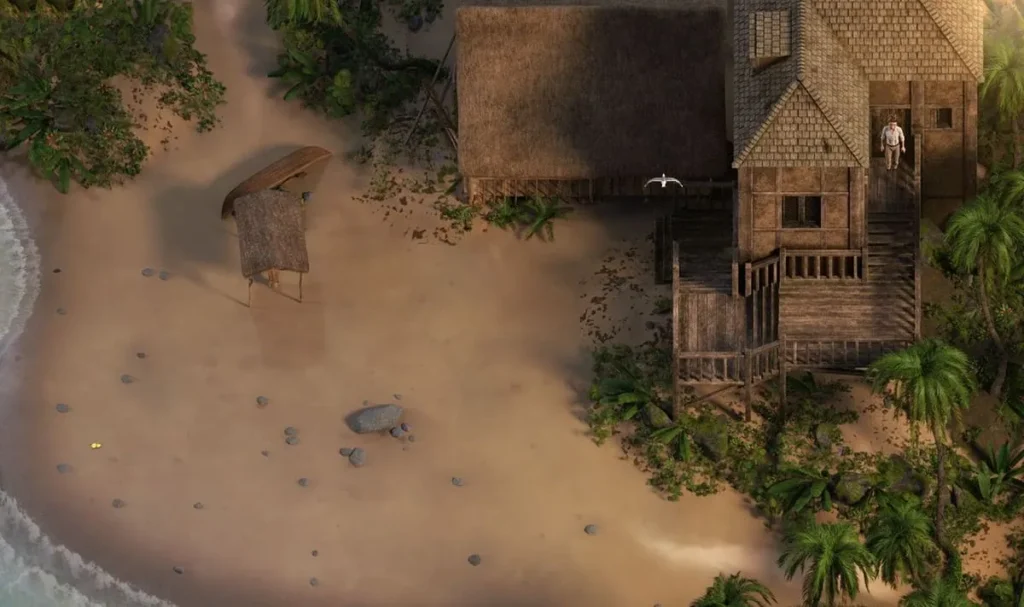
At its heart, Treasure of Nadia is built on a straightforward but effective adventure-RPG framework. Think of it less like a hardcore stat-heavy role-playing game and more like a streamlined adventure where your progression is gated by exploration, item collection, and story milestones. Your day is divided into blocks (morning, afternoon, evening), and traveling between major locations like the Beach, Jungle, or Town consumes one of these blocks. ⏳
This structure is the invisible hand guiding your entire journey. Early on, you’ll feel a fantastic sense of freedom—talking to characters triggers story cutscenes, clicking on shimmering spots yields coins or common items, and hidden chests are tucked away just off the main path. The loop is simple and rewarding: Explore a location > Find items/triggers > Advance a story thread or character relationship > Unlock a new area to explore.
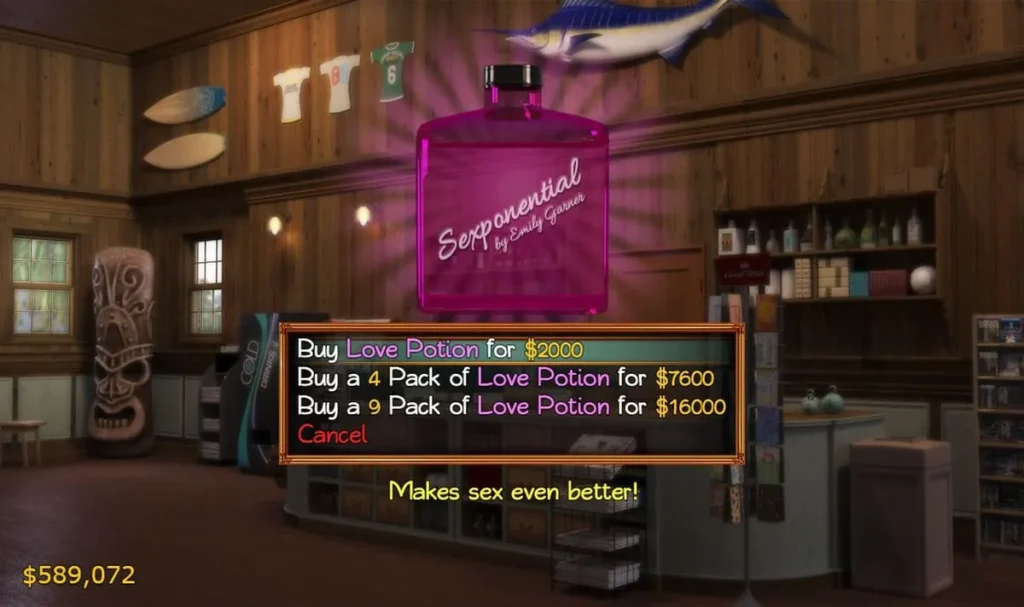
However, here’s my personal insight from playing through: the mid-game introduces what I like to call “purposeful grinding.” You’ll hit points where the main story pauses, and you’re told you need to strengthen your relationships or find a certain artifact. This isn’t filler; it’s the game pushing you to engage deeply with its other core systems—namely, treasure hunting and crafting. Suddenly, that sparkling spot in the cave isn’t just for spare change; it might hold a Rare Orchid you need for a love potion to impress a character. This shift forces you to master the item crafting system and learn the map intimately, turning you from a casual tourist into a true treasure hunter.
Pro Tip: Always travel with a goal in mind. “I’m going to the Jungle to get 3 Vines and check the two chest spawn points near the river.” This saves precious time blocks and makes progression feel much smoother.
The true genius of this RPG exploration game structure is how it ties everything together. Your relationships unlock new abilities and hints (some characters will literally mark treasure on your map!). The treasures you find provide crafting materials and money for essential shop items. And the crafted items, in turn, unlock new story scenes and areas. It’s a beautifully interconnected loop.
Treasure Hunting, Puzzle Solving & Item Crafting
This is where the magic happens—the triple-threat core that will consume most of your playtime. Mastering these interlinked systems is the key to unlocking everything the game has to offer.
The Art of the Hunt: Chests, Keys, and Secrets
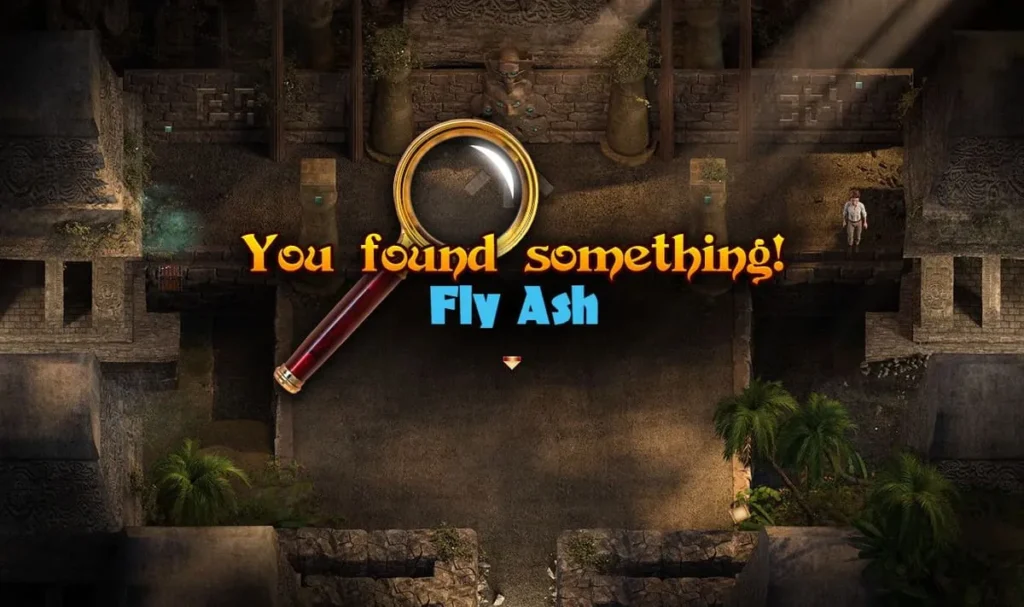
The treasure hunting game guide starts with your eyes. The world is littered with interactive spots. Common sparkles give basic resources or coins. But the real prizes are in the chests. These are often hidden in semi-obscure corners, behind foliage, or in areas that only become accessible after completing a certain task.
This brings us to the central logistical puzzle: how to unlock chests and keys. Chests require corresponding keys to open. Keys aren’t just found whole; you’ll often discover Broken Keys. A major early-game goal is finding the Ancient Hammer tool, which lets you repair these broken keys at an anvil (found in your house and a few other locations). So the cycle becomes: Hunt for chests > Hunt for Broken Keys near those chests > Repair the Key > Return to claim your loot. 🗝️
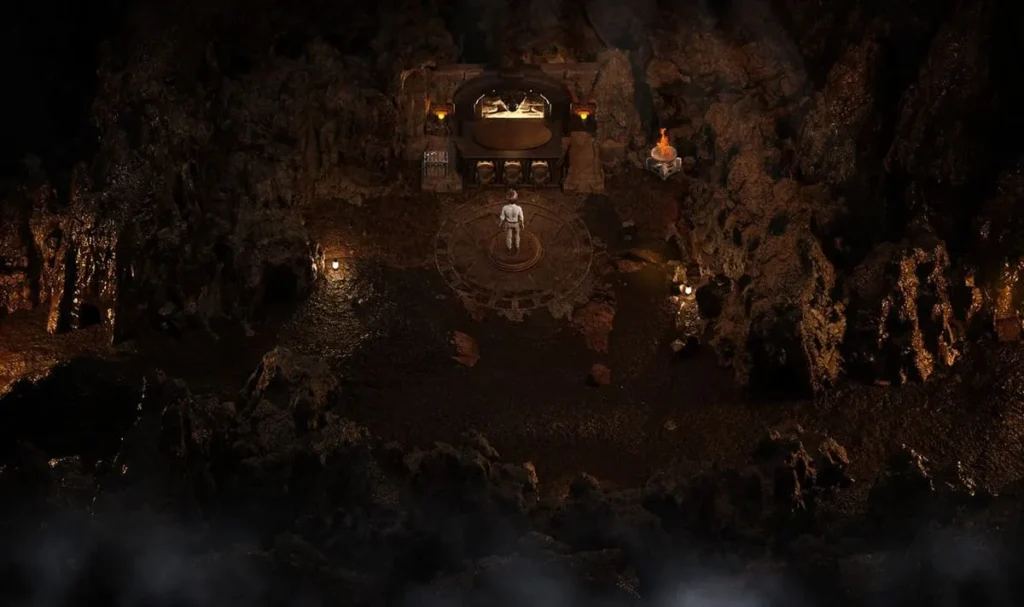
But wait, there’s more! Some areas are blocked by simple environmental puzzles. You might need to light a series of torches in a specific order, or clear a landslide by using a crafted Dynamite Stick. These actions are how the game gates progression. For instance, lighting the three torches in the Cave might cause a hidden wall to slide open, revealing a new chamber with a vital chest. Always be on the lookout for interactive objects that seem out of place—they’re almost always a puzzle piece.
Cracking the Code: Ancient Temple Puzzles
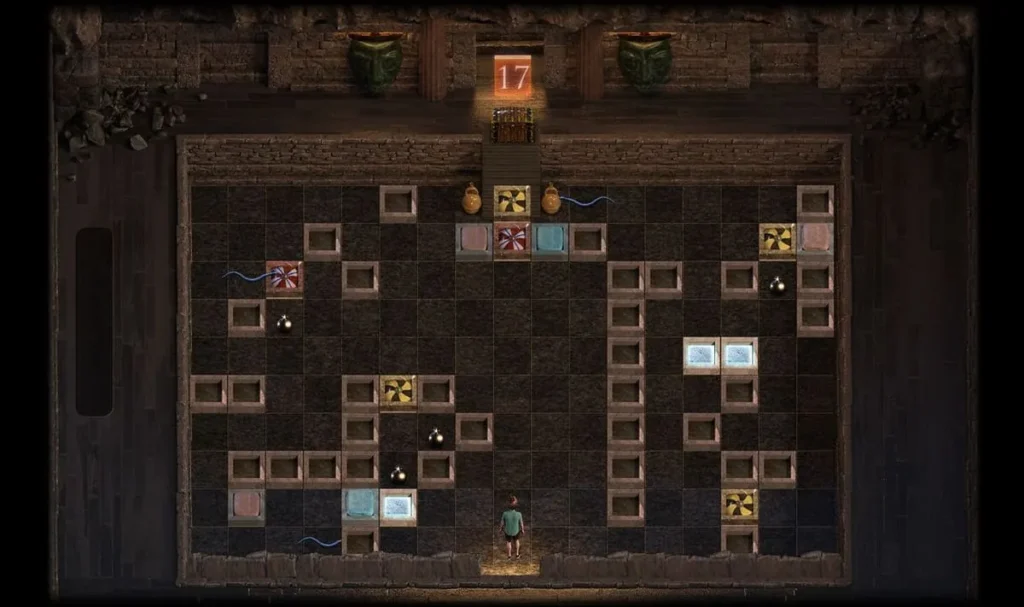
Scattered across the land are stone pedestals holding mysterious gems. Interacting with one pulls you into a self-contained logic puzzle—the Ancient Temple Puzzles. These are a highlight of the Treasure of Nadia gameplay mechanics, offering a pure, cerebral challenge separate from the exploration.
Each puzzle presents a grid of stones. Clicking a stone flips its state and the state of the stones directly adjacent to it (up, down, left, right). Your goal is to turn all stones on the grid to a glowing state. They start deceptively simple but become wonderfully complex. I spent a good 20 minutes on one of the later 5×5 grids, scribbling notes like a madman! 🧠
Why bother? The reward system is fantastic. Solving these puzzles doesn’t just give you a one-off prize; it contributes to a global counter. Reaching milestones unlocks permanent, game-changing rewards.
| Puzzles Solved | Milestone Reward | Impact on Gameplay |
|---|---|---|
| 10 | Increase to Max Energy | Allows more actions per day before needing to rest. |
| 30 | Ancient Compass | A **game-changer**. This tool permanently reveals ALL treasure chest locations on your map, turning you into a hunting legend. |
| 40 | Large Gold Reward & Special Item | Provides ample funds for shopping and unlocks a unique narrative item. |
The jump from 30 to 40 puzzles is tough, but that Compass at 30 is worth every ounce of brainpower. It fundamentally alters your efficiency and is the single best reward in this puzzle solving adventure game.
Crafting Your Path Forward
The item crafting system is your workshop for progression. It’s accessed through the menu, and recipes are unlocked as you find new items or receive them from characters. This isn’t a frivolous side activity; crafting is mandatory.
Need to get into a character’s locked bedroom for a story event? You can’t pick the lock. You must craft a Bedroom Key. The recipe might require a Gold Key Mold (bought from the shop), a Lump of Gold (mined from certain sparkling spots), and Melted Gold (made by melting a gold lump at a furnace). This multi-step process is typical.
Here’s a step-by-step checklist for common progression tasks that rely on crafting and exploration:
-
Obtaining a Repaired Key:
- Locate a Broken Key in the world (listen for a distinct sound cue!).
- Ensure you have the Ancient Hammer tool (found in an early story chest).
- Find an Anvil (your house, the Blacksmith).
- Use the Anvil to repair the Broken Key.
- Take the repaired key to the corresponding chest.
-
Lighting Torches to Unlock an Area:
- Find all torches/sconces in the immediate area (usually 3-4).
- Ensure you have a Tinderbox in your inventory (buy or craft them).
- Light each torch. Sometimes order matters—if it doesn’t work, try a different sequence!
- Listen for a rumbling sound or visual cue indicating a path has opened.
-
Accessing a Restricted Area (e.g., a blocked tunnel):
- Obtain the Dynamite recipe (usually from story progress).
- Gather materials: Empty Bottle (shop), Charcoal (sparkles), Saltpeter (sparkles in caves).
- Craft the Dynamite Stick.
- Use it on the landslide or cracked wall blocking your way.
Crafting turns raw exploration into tangible progress. You stop being a collector and start being an adventurer engineer, using the island’s resources to bend it to your will.
Navigating Locations & Managing Game Progression
Knowing what to do is half the battle; knowing where and when to do it is the other half. Managing your progression in Treasure of Nadia is a gentle dance between story, relationships, and resource gathering.
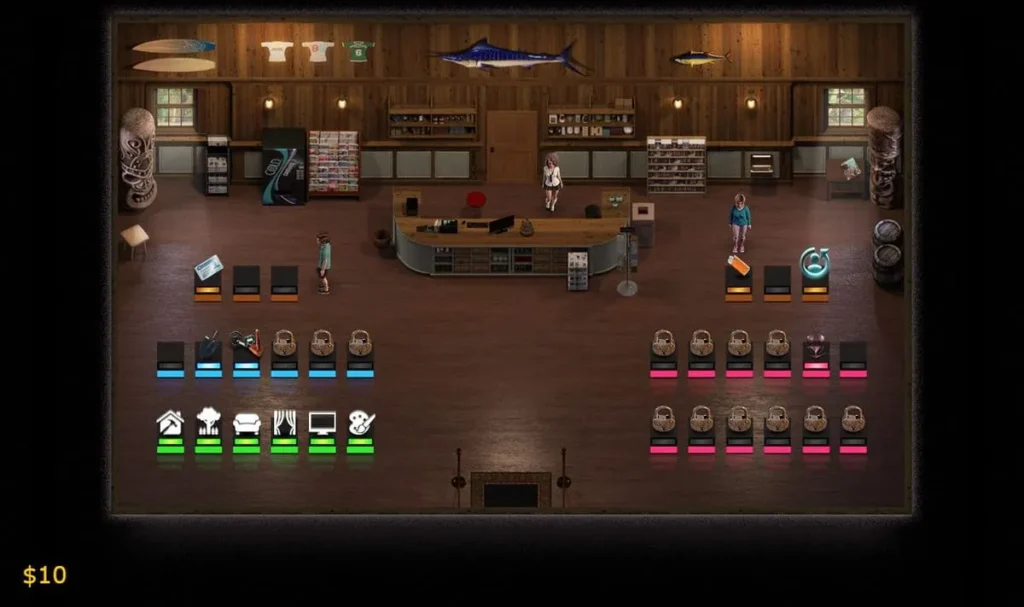
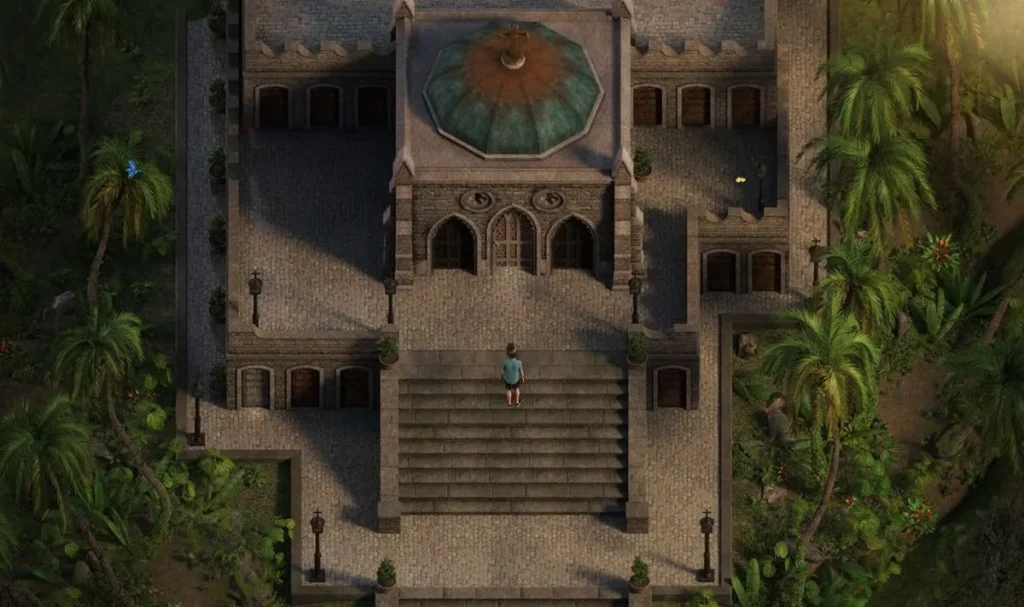
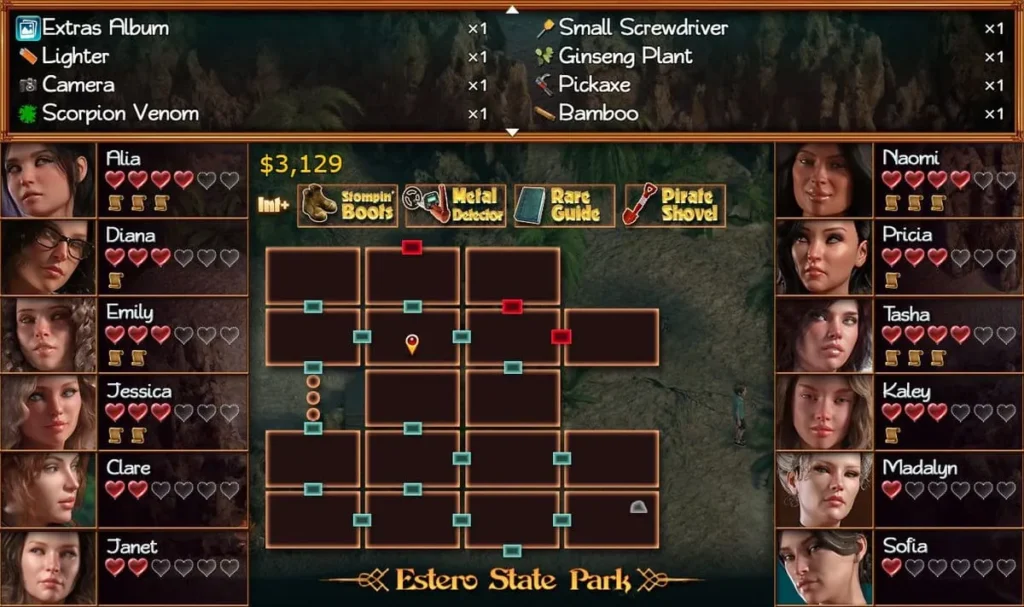
The world is a series of connected screens. The map is your best friend—use it frequently to fast-travel to major zones and plan your route. Early on, focus on unlocking all fast-travel points. This usually involves walking to a new location for the first time. It’s a boring tip, but it saves hours over the course of the game.
Progression follows a clear rhythm:
1. Story Push: You complete a major story event or cutscene.
2. Unlock & Explore: New areas or interactables become available. Your journal updates with new personal goals for characters.
3. Gathering & Crafting: You work to meet those goals, which involves hunting for specific treasures and crafting items. This is the “grind” phase, but with your treasure hunting goals, it feels purposeful.
4. Relationship Development: Using crafted gifts or completing tasks for characters raises their affection, unlocking new scenes, hints, and sometimes vital tools or recipes.
5. Repeat: The new scenes advance the story, and the cycle continues.
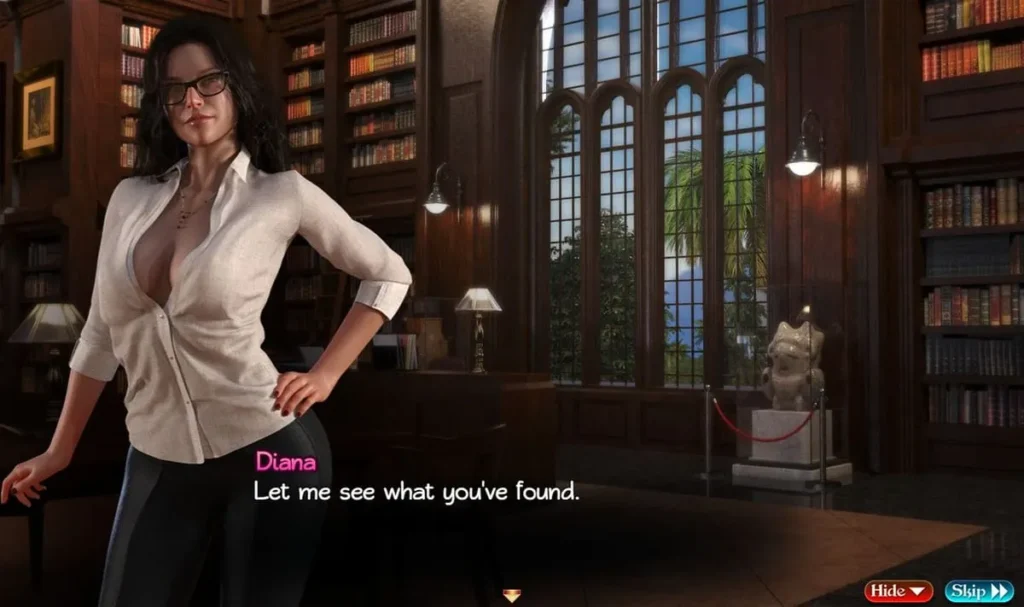
My biggest piece of actionable advice for managing this cycle is to embrace the checklist mentality. When the story pauses, open your journal. See that you need to “Get closer to Diana” and “Find the Ancient Crown.” Don’t wander aimlessly. Break it down:
* For Diana: Check the craft menu. Does she want a love potion? I need a Rare Orchid (found in the Jungle at evening) and a Blue Mushroom (Cave).
* For the Crown: It’s likely in a new chest. Have I found all chests in the recently unlocked Temple area? Let me check.
This focused approach transforms potential mid-game sluggishness into a satisfying series of mini-quests. Also, money matters early on. Don’t spend all your coins on frivolous things; save for important tools from the shop like the Metal Detector upgrade, which makes finding buried sparkles much easier.
Finally, remember that some content is time-or-relationship-gated. A chest might only appear in the Jungle during the afternoon. A character might only be available to talk at their house in the evening. If you’re stuck, try revisiting locations at different times of the virtual day. 🗺️
In conclusion, the Treasure of Nadia gameplay mechanics are a deceptively deep engine for adventure. It masterfully blends the thrill of discovery inherent to a treasure hunting game guide with the logical satisfaction of a puzzle solving adventure game and the strategic planning of a light RPG exploration game. By understanding its item crafting system, conquering the Ancient Temple Puzzles, and learning exactly how to unlock chests and keys, you stop being a passive player and become the master of your own adventure on the island of Nadia. Now go forth—your treasure awaits
Treasure of Nadia delivers a compelling experience that successfully merges exploration-based gameplay with engaging storytelling. The game’s strength lies in its well-designed puzzle systems, varied character interactions, and the integration of multiple gameplay elements that keep players invested throughout their journey. While the mid-game grinding can feel repetitive, the quality of the overall experience and the depth of character development make it worthwhile for players seeking a narrative-driven adventure. Whether you’re drawn to the treasure hunting mechanics, the puzzle-solving challenges, or the character-driven storylines, Treasure of Nadia offers substantial content that rewards exploration and engagement. Start your adventure today and discover why this game has become a standout title in the adventure gaming genre.