Unveiling the Unknown
Play Unveiling the Unknown
Unveiling the Unknown Screenshots
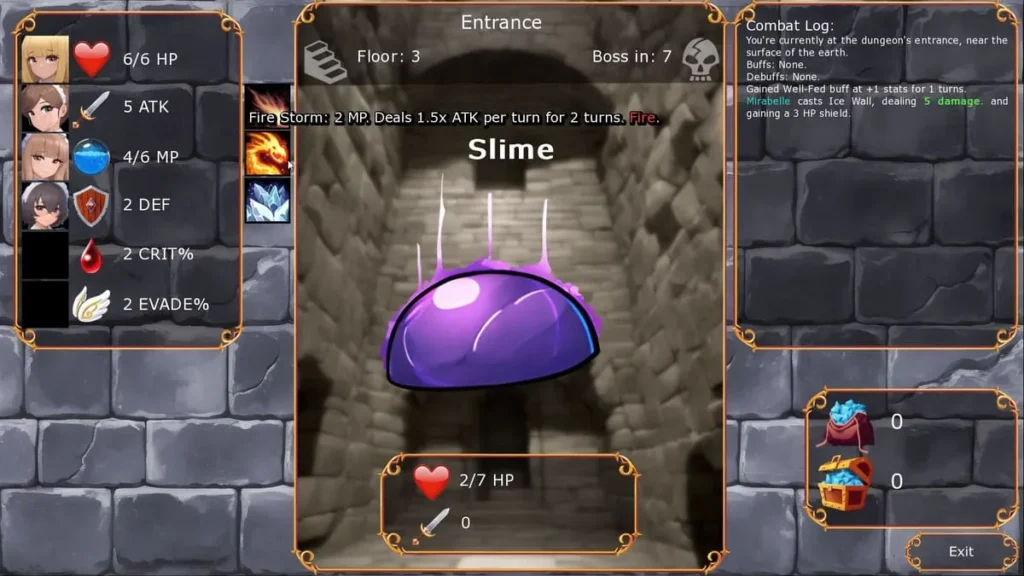
Unveiling the Unknown review
Exploring the Visual Novel and RPG Hybrid Experience
Unveiling the Unknown stands out as a unique hybrid experience that combines visual novel storytelling with RPG mechanics. This adult-oriented title has garnered attention from players seeking mature narrative-driven games with interactive elements. Whether you’re curious about the gameplay mechanics, story depth, or overall experience, this comprehensive guide breaks down everything you need to know about this distinctive title. Understanding what makes this game tick can help you determine if it aligns with your gaming preferences and expectations.
Game Overview and Core Mechanics
Let’s be honest—sometimes you just want to get lost in a good story. 📖 You’re looking for characters you can care about, mysteries that pull you in, and choices that feel like they matter. But other times, you crave a little more interaction, that satisfying click of a skill check or the strategic thrill of managing resources. If you’ve ever felt torn between these two desires, then you’re exactly who Unveiling the Unknown was made for. This isn’t just another game; it’s a dedicated experiment in blending two beloved genres into one seamless, captivating package.
I remember booting it up for the first time, expecting to lean heavily into one side of its hybrid promise. What I found instead was a beautifully balanced experience that understood my need for both a deep narrative and engaging gameplay. It’s the kind of visual novel RPG hybrid that doesn’t just tack on mechanics as an afterthought—it builds its world around them. Let’s dive into what makes this game tick.
What is Unveiling the Unknown?
At its heart, Unveiling the Unknown is a mystery-thriller wrapped in a deeply personal journey. You step into the shoes of a protagonist returning to their eerie, forgotten hometown, only to find it shrouded in supernatural secrets and unresolved past trauma. The core promise is exploration—both of a haunting physical space and the complex emotional landscapes of its inhabitants.
This Unveiling the Unknown game is classified as an adult visual novel, which is crucial to understanding its approach. Here, “adult” doesn’t merely point to content; it signifies narrative maturity. We’re talking about themes of loss, guilt, complex relationships, and psychological horror. The writing isn’t afraid to sit with uncomfortable moments, making the character interactions feel raw and genuine. This maturity forms the bedrock of its narrative-driven gameplay.
Before we go further, here’s a quick technical snapshot of what you’re getting into:
| Specification | Details |
|---|---|
| Available Platforms | Windows PC, MacOS, Linux |
| Approximate File Size | 4.2 GB |
| Minimum System Requirements | OS: Windows 8.1+ | Processor: Intel Core i3 | Memory: 4 GB RAM | Graphics: Integrated (OpenGL 3.3 compatible) | Storage: 5 GB |
| Recommended System Requirements | OS: Windows 10+ | Processor: Intel Core i5 | Memory: 8 GB RAM | Graphics: Dedicated GPU (2GB VRAM) | Storage: 5 GB SSD |
| Primary Interface | Point-and-Click with Keyboard Shortcuts |
| Game Length | 15-25 hours (depending on exploration and minigame engagement) |
The structure is episodic, with the story unfolding over several in-game days. Each day is divided into segments (Morning, Afternoon, Evening), giving you a framework to manage your investigations and relationships. This pacing is brilliant—it creates a natural rhythm, building tension as each day concludes with new revelations or chilling cliffhangers. 😨 You’re never just passively reading; you’re actively planning your limited time, deciding whether to pursue a lead at the old library or to check in on a troubled friend.
Visual Novel Foundation with RPG Elements
Think of the experience as a rich, illustrated novel where you have directorial control. The visual novel with gameplay elements is the undeniable core. You’ll spend most of your time reading beautifully written dialogue and descriptive text, accompanied by stunning, moody artwork and a soundtrack that perfectly underscores the tension. Character sprites are expressive, and the background art does a heavy lift in building the game’s oppressive, melancholic atmosphere.
Where the RPG minigame features come in is where Unveiling the Unknown truly innovates. These aren’t random arcade distractions. They are logical extensions of the story. For instance, when your character decides to investigate a crumbling mansion, the scene might seamlessly transition from the visual novel format into a top-down exploration segment. Here, you directly control your avatar, searching drawers for clues, avoiding environmental hazards, or solving simple environmental puzzles.
My Tip: Don’t rush through these sections! Some of the best world-building notes and optional character insights are hidden in interactive drawers and bookshelves during these RPG-lite moments. It rewards the curious player.
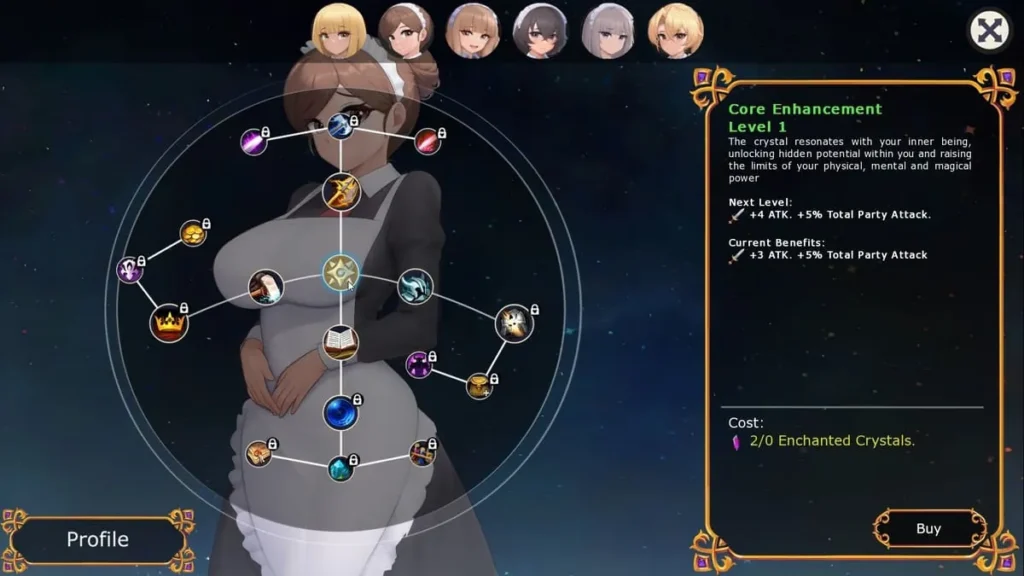
The “RPG” label primarily comes from a light but meaningful stat and skill system. Your character has traits like Intuition, Resolve, Lore Knowledge, and Empathy. These aren’t numbers you grind; they develop organically based on your story choices and success in minigames. A high Intuition, earned by paying attention to details in earlier chapters, might allow you to notice a hidden switch in an exploration segment that others would miss. This creates a fantastic feedback loop where your engagement with the interactive storytelling game directly empowers your character within it.
This is the genius of its adult visual novel mechanics. The mature themes are reflected in these skills. Choosing a compassionate dialogue option to calm a distressed NPC might increase your Empathy, which later allows you to access a therapy-themed minigame where you help another character sort through their emotional memories—a puzzle game using symbolic objects. It’s profound, and it makes every interaction feel consequential.
Gameplay Experience and Mechanics
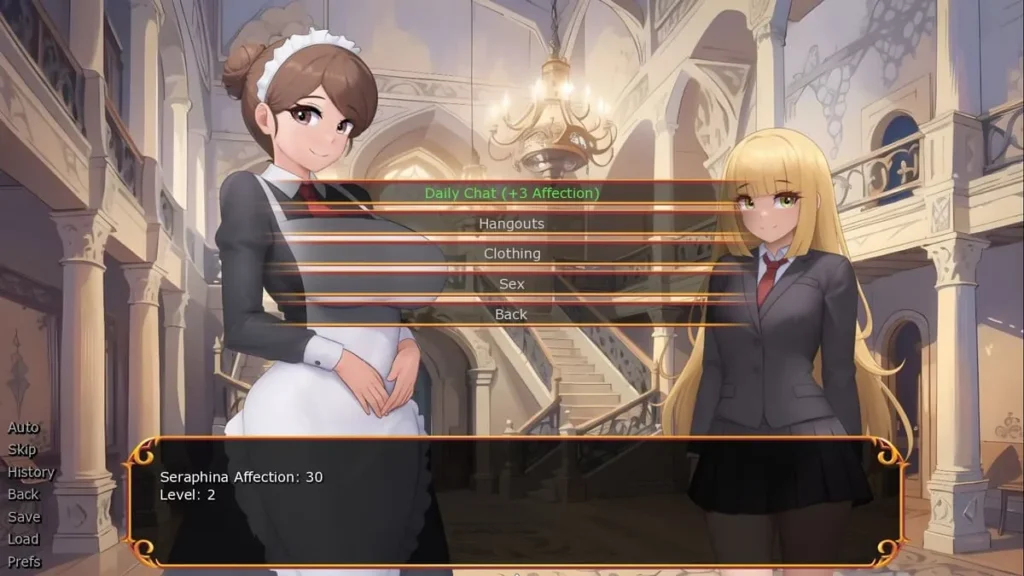
So, how does it all feel to play? In a word: cohesive. The developers have meticulously woven the gameplay into the narrative fabric. The user interface is clean and intuitive, with a dialogue log, an auto-read function, and a quick-save feature that visual novel fans will appreciate. When a minigame begins, the transition is smooth, with clear, diegetic instructions that fit the story.
Let’s break down the key interactive pillars of this visual novel RPG hybrid:
- Choice and Consequence: This is the soul of the narrative-driven gameplay. Dialogue and action choices appear constantly. Some are obvious moral forks, while others are subtle—like deciding which question to ask first. The game rarely uses a “Character A will remember this” prompt. Instead, you see the consequences unfold naturally in later conversations, altered scenes, and even in which minigames you get to access. It demands your attention and makes replays genuinely rewarding. 🔄
- Exploration Sequences: As mentioned, these are the primary RPG minigame features. They transform key locations from static backgrounds into explorable spaces. The controls are simple (point-and-click or basic WASD), keeping the focus on discovery rather than technical skill.
- Puzzle Modules: These are diverse and always thematic. You might:
- Decipher a ghost’s memories by arranging fragmented photographs in a timeline puzzle.
- Use your growing Lore Knowledge stat to identify ritual components in an inventory-based puzzle.
- Stabilize your character’s nerve during a terrifying encounter with a rhythm-based “steady your breathing” minigame.
- Relationship Management: Your ties to other characters are not just tracked by a heart meter. Interactions can unlock special dual-perspective scenes or cooperative minigames. Ignoring a character’s subplot might mean you lack a crucial ally in a later, tense sequence.
The balance is masterful. You might have a 45-minute block of pure, choice-heavy visual novel storytelling, followed by a 15-minute hands-on investigation segment that puts all the clues you’ve gathered into practice. It never lets you get too comfortable in one mode, which perfectly mirrors the game’s own themes of shifting realities and unstable truths.
Playing Unveiling the Unknown game feels like being the protagonist in a premium TV series where you get to decide both the dialogue and the action scenes. The adult visual novel mechanics provide the depth and emotional weight, while the smartly integrated RPG minigame features provide the tactile engagement. It proves that an interactive storytelling game can be more than just branching dialogue—it can be a full-spectrum experience that engages your heart, your mind, and your reflexes. If you’re ready for a story that you don’t just witness, but actively unravel, this hybrid is your next must-play. 🎭✨
Unveiling the Unknown presents an interesting fusion of visual novel storytelling and RPG mechanics that appeals to players seeking mature, narrative-focused experiences. The game succeeds primarily as a visual novel with supplementary gameplay elements, offering players an engaging story with character-driven content. Community reception indicates that the title delivers on its promise of adult-oriented interactive fiction, though the balance between narrative and RPG components may appeal more to visual novel enthusiasts than traditional RPG players. For those interested in exploring this hybrid genre, understanding both its strengths in storytelling and its approach to mature themes is essential for determining if it matches your gaming preferences. Whether you’re a seasoned visual novel fan or curious about the genre, Unveiling the Unknown offers a distinctive experience worth considering.